7 Famous Historical Myths That Are Actually True
Strange misconceptions of the past debunked.
History is full of stories, legends, and myths that are often taken as fact. However, did you know that some of these myths have been proven true?
From the mysterious quest for the fabled city of El Dorado to the incredible story of the voyage of the Jesus Boat, there are a surprising number of myths that have been confirmed by historical evidence.
In this article, we will look at 7 amazing historical mythically turned out to be true.
7- Troy — A City In Greek Mythology
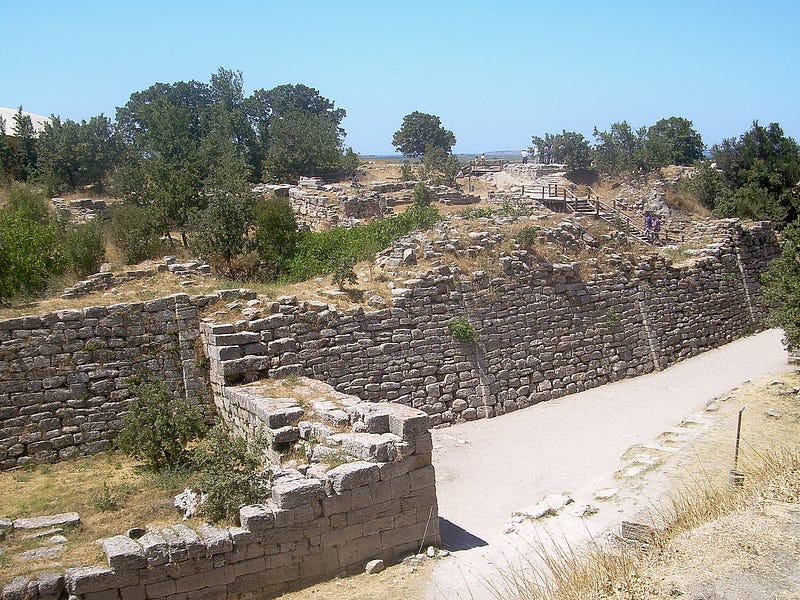
Troy is a famous city in Greek mythology. It is often seen as a legendary city, but archaeological evidence suggests that the city of Troy fact exists.
The site of the legendary city was discovered in 1871 by archaeologist Heinrich Schliemann. His excavations revealed several levels of a city that had been built and destroyed over time.
These findings suggest that the events described in Homer’s Iliad may have been based on historical facts. The discovery of Troy also added credence to the historical existence of the Trojan War, which was believed to have taken place during the 13th or 12th century BC.
The discovery of Troy has transformed the way we look at ancient history, revealing that many myths may have some basis in reality.
6- Milky Seas — The Seas Turned White
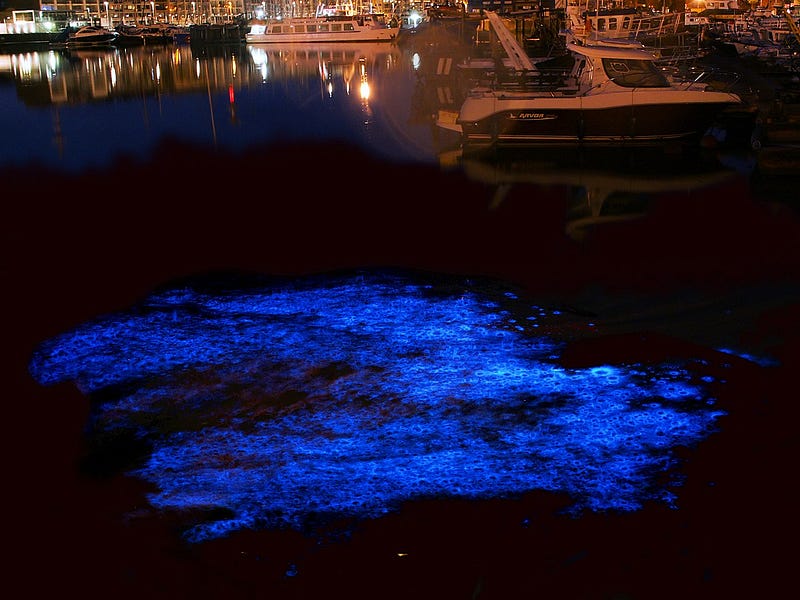
The milky seas are a legendary feature of the ancient world. For centuries, people have been telling stories of how the seas turned white from a mysterious substance.
It was believed to be a sign of bad luck or the gods’ disapproval. In the 18th century, this myth was debunked as nothing more than a fanciful story. But in recent years, scientists have discovered that the milky seas are real.
In 2009, researchers discovered evidence of plankton blooms in the ocean waters of the Mediterranean Sea.
The plankton in the bloom released a compound called dimethyl sulfide (DMS) that caused the water to take on a milky appearance.
This discovery confirmed that the milky seas were not just a myth but an actual phenomenon that could be observed.
The Milky Sea has been seen in other parts of the world too, including the Black Sea and North Sea. It’s likely that this phenomenon is more common than previously thought and has simply gone unnoticed until now.
Researchers believe that climate change and pollution both play a role in the occurrence of the Milky Sea.
5- Star Over Korea — Supernova
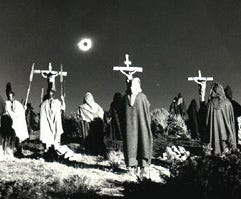
The “star of Korea” is a historical legend that dates back to the sixth century, when a mysterious star appeared in the sky over Korea.
According to ancient texts, this star was believed to be a sign of good luck and fortune, and Korean people celebrated it with festivals and prayers.
However, in more recent years, some have argued that the star could have been a comet or meteor. In 2019, scientists studied records of the event and concluded that the “star” ally a supernova — a huge explosion of a star in the sky — which occurred around the same time as the legend.
This discovery was confirmed by several astronomers who identified the star as SN 185, a supernova located 3,000 light-years away from Earth.
This finding has further validated the ancient texts of Korea and proves that sometimes, myths can turn out to be true.
The “star of Korea” may have been a sign of good fortune for the Korean people all those centuries ago, and now, we finally understand why.
4- Orichalcum — Mysterious Metal
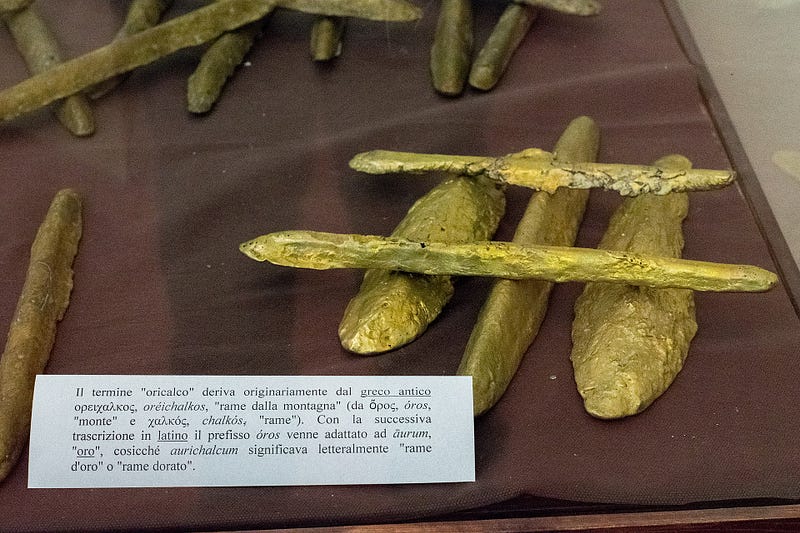
Orichalcum is a mysterious metal mentioned in Plato’s dialogues, thought to have originated in Atlantis.
It has been shrouded in mystery for centuries and is believed to have supernatural properties.
However, in 2018, archaeologists uncovered a large number of ingots and fragments made of a metal alloy in Sicily that matched the description of orichalcum.
Analysis revealed that the metal was an alloy of copper and zinc, which is likely why it was so prized by the ancients.
The discovery breakthrough provided evidence that orichalcum was real and not just a mythical invention.
3- Svalinn — A Shield That Protects The World From The Rays Of The Sun
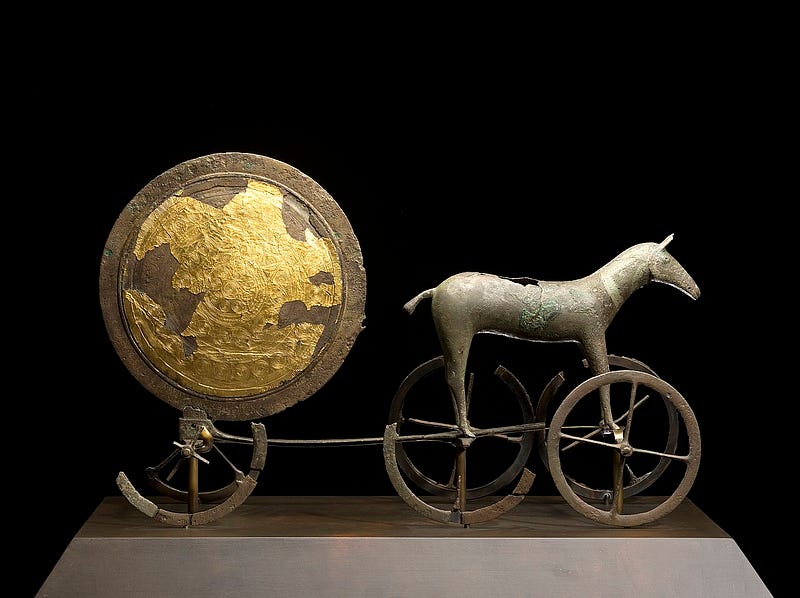
In Norse mythology, Svalinn is a magical shield that was said to protect the world from the scorching rays of the sun.
Legends claimed that the shield, owned by the god Freyr, was forged out of ice. The myth was thought to be just a metaphor until a 2018 study proved otherwise.
Researchers discovered that a large sheet of sea ice did indeed exist in the North Atlantic around 3,500 years ago. This discovery was made possible due to data collected by deep-sea core sampling.
It revealed that the presence of ice in this region was more than a metaphor and helped explain why Northern Europe did not experience the same warming trend as other parts of the world.
The evidence proved that Svalinn may have been an ancient way of describing this protective sheet of ice. It’s a fascinating insight into how early societies viewed the world and even their myths.
2- The Kraken — A Giant Octopus Or Squid
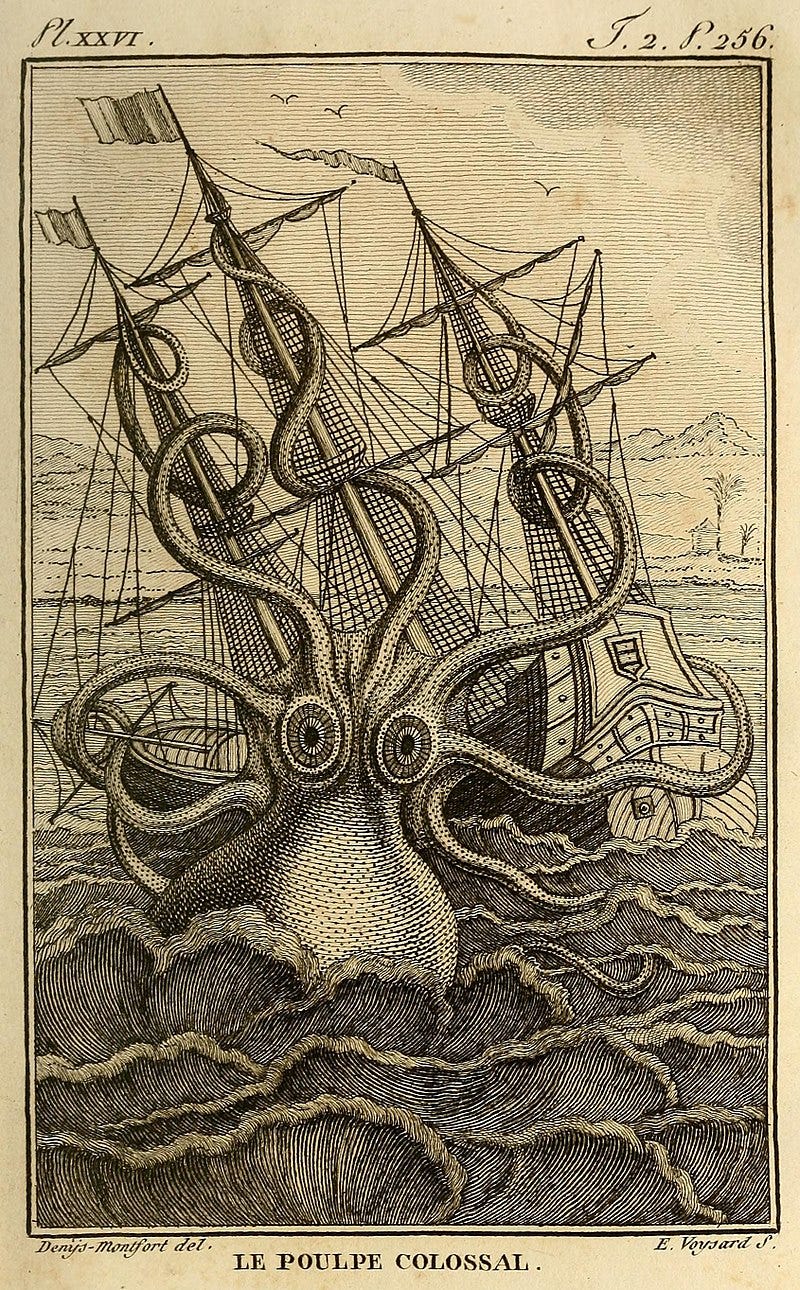
One of the most famous sea monsters of all time, the Kraken, has been around since ancient times.
It was a massive creature said to be capable of dragging ships to the bottom of the sea and causing storms and tsunamis.
Despite its fearsome reputation, many doubted the existence of the creature until recently. However, research has shown that the Kraken may have been real.
Fossil evidence suggests that the creature may have been a giant octopus or squid, measuring up to 50 feet long. While its exact size is still unknown, its power and presence are undeniable.
The evidence proves that this mysterious creature did exist, proving the truth behind the myth.
1- The Golden Fleece — A Magical Sheepskin
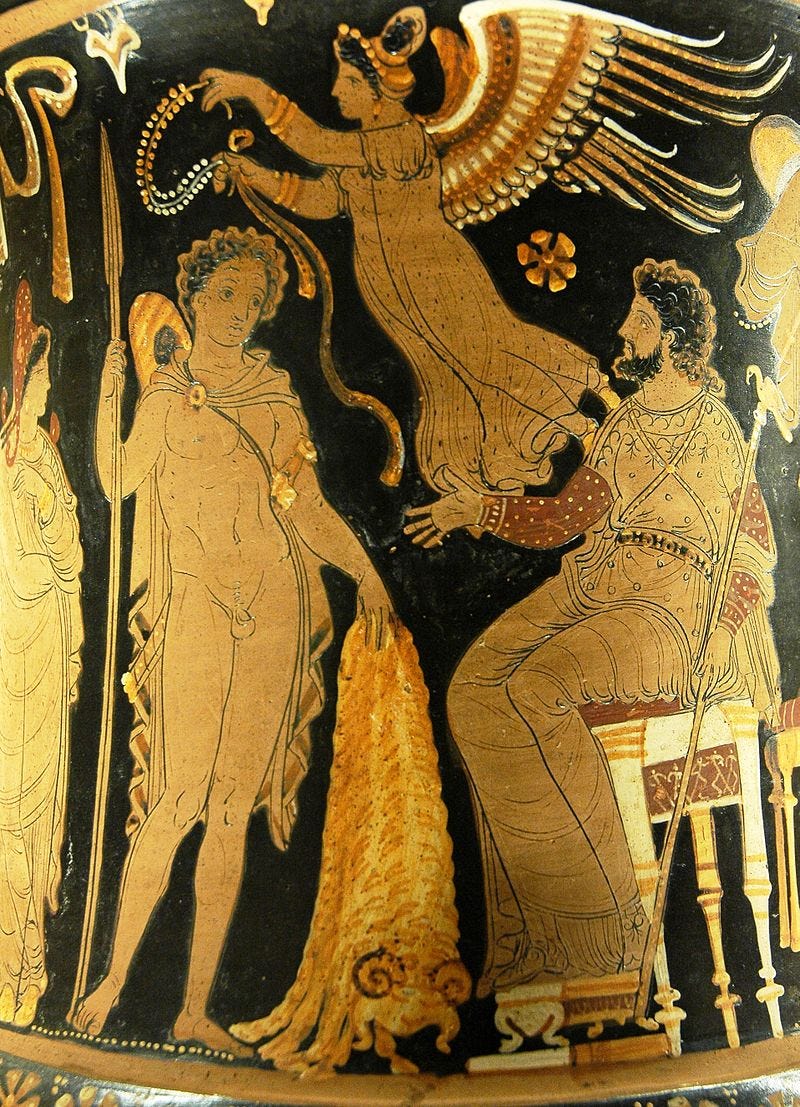
One of the most famous myths in history is the story of the Golden Fleece. The story tells of a magical sheepskin that had the power to bring prosperity and protection to its owner.
The fleece was sought after by many people throughout history, including Jason and the Argonauts who traveled across the Mediterranean in search of it.
Although there is no definitive proof that this fleece acted, some historians have speculated that it could have been based on a real object.
It is thought that the fleece may have been a type of embroidered blanket made from special wool, or an elaborate garment covered with gold and jewels.
Whatever it may have been, the Golden Fleece has certainly become part of our cultural heritage.
Points To Ponder
We’ve seen seven historical myths that turned out to be true.
These tales of ancient civilizations and mysterious creatures reveal how the lines between fact and fiction can become blurred over time.
Whether these tales were based on reality or not, they show that there are always discoveries to be made in the world of history.
As we explore the past, it’s important to remember that sometimes things we consider to be legends can turn out to be true.
More from the author: