7 Facts About Gurkhas
‘’If I had Gurkhas, no army in the world could defeat me.’’- Adolf Hitler
1. Gurkhas Come from Nepal
Nepal is a naturally beautiful southeast Asian country. Mount Everest, the birthplace of the Lord Gautam Budhha and the warrior brand ‘Gurkha’ are the main identity of Nepal. Profoundly, Nepal is a tourist country. Gurkhas, the name come from a small village in western Nepal where Prithvi Narayan Shah in 1743 AD persuaded his journey to conquer and unify Nepal. In 1816, the aftermath of the Anglo Nepal War prompted ‘’Sugauli Sandhi’’, a treaty signed between Nepal and the British East India Company. British started recruiting young Gurkhas every year since then.
2. Gurkhas Serve in the UK, India and Singapore Police
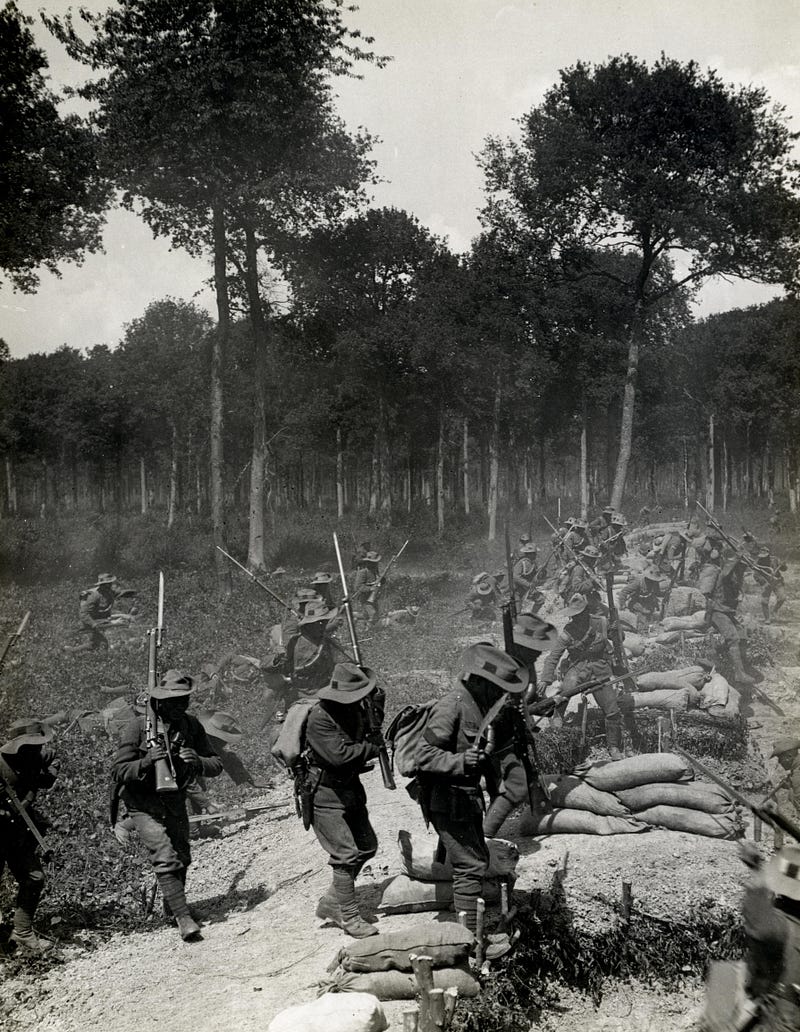
During British Empire rule over India, British East India company started recruiting Gurkhas and mobilized to various war and revolutionary conflicts. Later, when India gained full independence Gurkhas were divided between British Army and IndianArmy as part of the Britain-India- Nepal Tripartite Agreement. Under the agreement, six battalions remained in India and four in British Army. As British had still colony countries in Malaya, Hongkong and Singapore. British sent Gurkha Battalion to Hong Kong as their main base.
As India gained independence, the Gurkha battalion replaced Sikh Unit who were reverted to the Indian Army in Singapore. They were activated into major riots and serving as Gurkha Contingent in Singapore since then. Later In1997 the British handed over Hong Kong to China and they moved the Gurkha battalion to the United Kingdom. However, they left the Gurkha Contingent in Singapore. Now, the Indian Army recruits around 1300 youths from Nepal every year, British Army recruits more than 200 and Singapore Police recruits around 70.
3. They Carry Khukuri
Khukuri is a distinct recurved shaped sharp-bladed knife. Basically in Nepal, it is used to cut up wood, meat and for household purposes. On the contrary, Gurkha soldiers used this knife to defeat the enemy during the war which gained its popularity worldwide. Then Gurkha soldiers started carrying two khukuris ceremonial and the field purpose.
4. Gurkhas were awarded 26 Victoria Cross
Victoria Cross is Britain’s highest and most prestigious award to the armed forces awarded for ‘’valour’’. 13 of the VC’S were awarded to Gurkha soldiers and 13 were awarded to British Gurkha officers. The First Gurkha soldier to receive the VC is Kulbir Thapa during First World War in 1915. Great Western railway has named one of their inter-city express trains in honour of Tul Bahadur Pun, one of the 13’s Victoria Cross.
5. Gurkha Curry
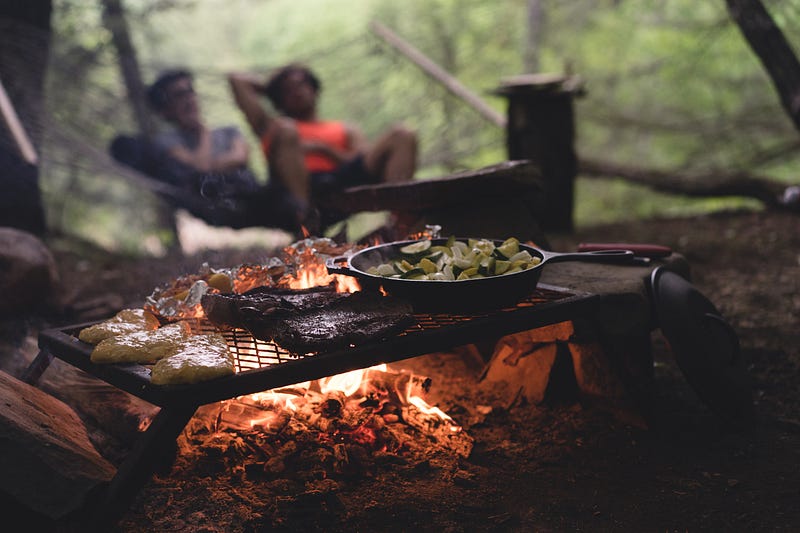
Gurkha Curry is a typical Nepali cooked meat curry under the fire wood. They love to cook meat by themselves for the group of people in their boundary. They cook goat, pork and chicken curry and try to replicate the best taste from Nepal. This is an integral part of the ethos and culture they carry in their regiment. In this modern time, people tend to stay alone at home and get into social media, but I think getting together having messing(cooked meat curry) brings a feeling of bond and relief of frustration.
6. They are Martial Art Trained
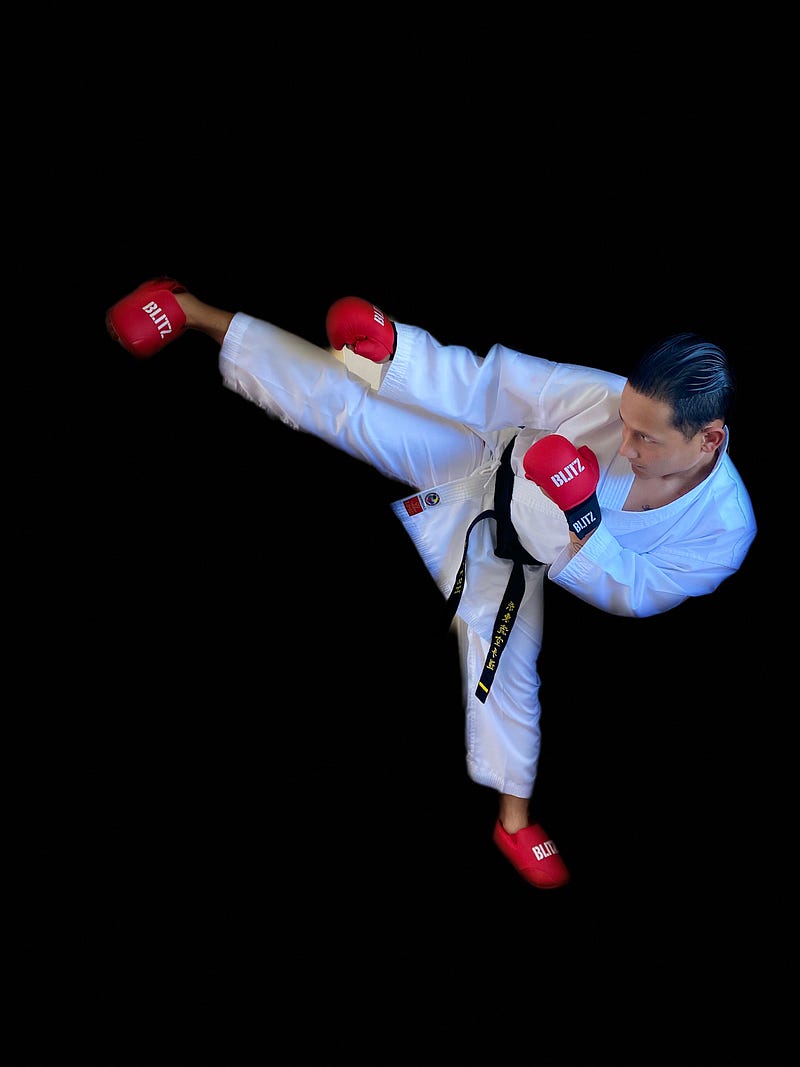
Every Gurkha soldier trains martial art particularly taekwondo in Catterick, the base for 9 months of recruit training. Most Gurkha soldiers begin their passion to train martial art from their childhood and later when they succeed to join British Army, joins Army Martial Art Team. Martial art is important in armed conflicts or battlefields when they encounter close-quarter battles.
7. They have temples to worship in their regiments
Most of the Gurkha soldiers religions are Buddhist, Hindus and Kirant. They have temples and stupas built in their regiment so they can perform pooja when necessary or during special occasions. Pujari(padre in Gurkhali culture) is assigned to every regiment to perform the rituals and pooja(worship). Specifically, soldiers visit temples before deployment to any battles or exercises and the fundamental cause of this is to gain victory or success.