
7 Crucial Movements to Do Every Day for Optimal Health and Peak Performance
Mobility is crucial, no matter what your goals are.
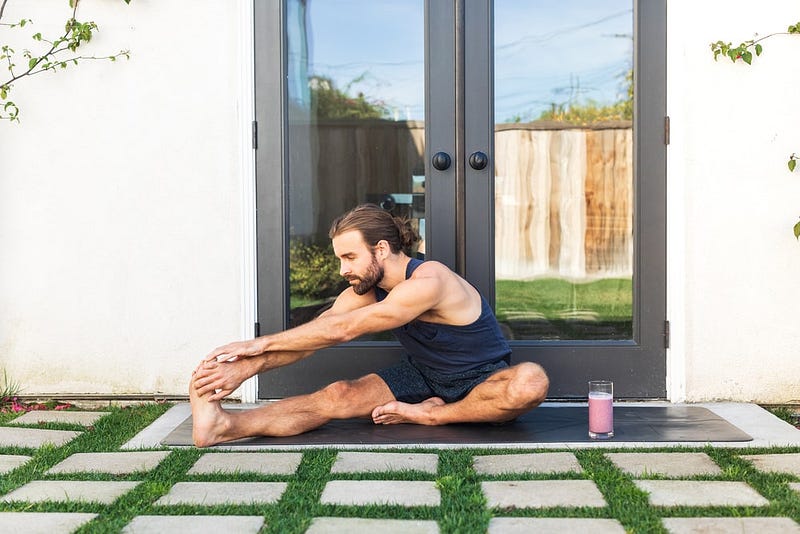
When it comes to exercise, I like to be told exactly what I need to do.
I want to know how many reps I’m doing, how many sets, and how long I can rest for. I want to know exactly what I’m doing today and what I’m going to be doing next week. I don’t want to think too much about it.
And I think this is a common experience. While in theory having the freedom to choose what we do each day and to listen to what our bodies want sounds great, in practice, we can find ourselves overwhelmed and less likely to even start.
So, I wanted to see what the experts think the top daily mobility movements are, put them together in an easy to follow list with exactly how to do them, so that all I have to do is run through them each day with full confidence that I am covering all my bases.
These movements are geared toward mobility and general functionality of the body — not fitness or muscle growth. Those things will need to be added on top of these (if you’re looking to improve them).
But the 7 movements described here will ensure your body stays mobile and functional for a long time to come, and these will likely make you feel good in your body from day to day.
“When you begin to use the techniques you’ve just been introduced to, you’ll immediately notice changes in the way you move, the way your joints feel, and any nagging aches and pains. But these changes will be minuscule compared with how you’re going to feel and move in six months to two years.” — Ben Greenfield, Beyond Training
1. Deep goblet squat
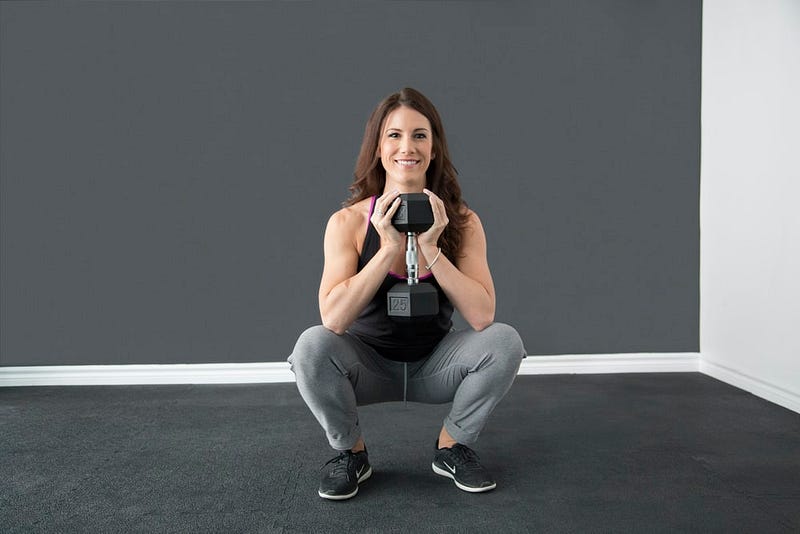
“A flat-footed, deep squat isn’t only a natural human movement pattern, it’s essential to your long-term health and mobility.” — Ralph Brooks
This is a great hip opener exercise, which also works on ankle and knee mobility.
The deep squat is an incredibly functional movement — it’s a basic human movement pattern. You see babies in deep squats all the time, and in a lot of cultures, the deep squat is a regular part of the day. Instead of sitting on chairs to work, to cook or eat, or to socialize, people are in this deep squat position.
However, most people in western societies are unable to get into this position.
“Only about 20% of the population has a respectable deep squat.” — Gray Cook
Prescription
- Here is a great video demonstrating how to perform this movement.
- Hold a kettlebell (or other light to moderate weight) against your chest.
- Initiate the movement with your hips — pushing them back.
- Drop down as if you were going to sit on a chair — go as low as you can — hold for about 15 seconds.
- Repeat 1–2 times
- Feel free to wiggle around in the bottom position to open things up.
2. Cat-cow
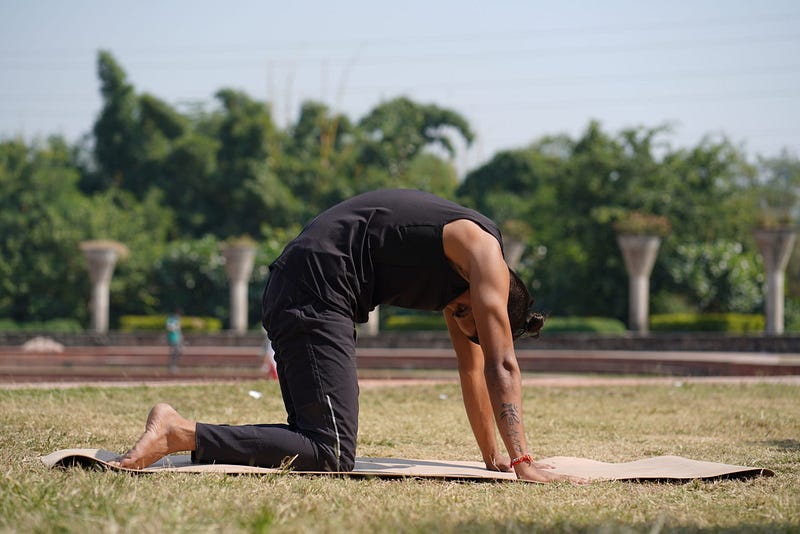
The cat-cow is a spinal movement.
You’ll be both flexing and extending the entire spine, moving the spine through its whole range of motion. This helps to gently stretch the spine which can relieve tension in places like the shoulders and the upper back.
This movement is especially important if you spend a lot of time sitting.
“Here are a few things you should probably do every day: Everyone can benefit from something that looks like the cow stretch (also sometimes called “cat-camel” in yoga classes). It’s a low-level static stretch that gets you into this extension pattern, and out of the other pattern of sitting in the rounded flexion position.” — Tim Ferriss, Tools of Titans
Prescription
- Here is a video demonstrating how to do this movement.
- Get on your hands and knees.
- Arch your back and look up.
- Then, initiating the movement from the base of your spine, roll your spine up so that your entire spine is rounded and your chin is tucked.
- Complete 2–3 sets of 5 reps (where one rep is moving from cat to cow and back)
3. Dead hang
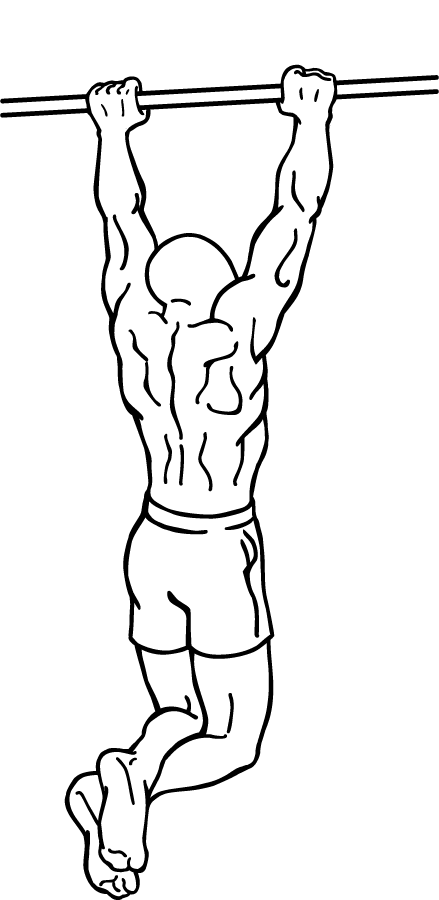
This one has been a game-changer for me.
While it seems counterintuitive, hanging from a bar, with your whole body weight pulling on the joints of your upper body, is actually really effective at fixing shoulder problems.
I’ve dealt with rotator cuff tears and bursitis for about a decade now, and since starting to hang from a bar on a daily basis — without changing anything else or doing any other rehab exercises — my shoulder is the happiest it has ever been.
The short book, Shoulder Pain? The Solution & Prevention by John M. Kirsch is really helpful if you would like to learn more.
This movement simultaneously stretches the tight muscles that lead to shoulder pain and injuries, while strengthening muscles that will help stabilize and prevent shoulder injuries:
“Apart from stretching the brachial arteries, the hang also stretches and strengthens the supraspinatus tendon. This is the tendon that’s mainly responsible for shoulder strength, mobility, and endurance.
When you raise your arms forward, the supraspinatus tendon gets pinched between your shoulder bones. That’s where the pinching sensation comes from when you try to raise an injured or compromised shoulder.
But when the arms are raised straight up as in the dead hang, this gives the tendon room to move and stretch without getting pinched. This allows you to exercise, stretch, and reshape this tendon and the surrounding muscles and bones.
The more you do the dead hang, the better and stronger your shoulders will be.” — Active Body Osteopathy
This movement is also great for decompressing the spine, as hanging will open up all the spaces between the bones and discs in your back, which will lead to better posture and a healthier back.
Prescription
- Hang from a bar with your hands about shoulder-width apart (palms facing away from you).
- Start with your body weight supported if needed, and slowly decrease until you are hanging completely free.
- Make sure you’re breathing.
- Work your way up to a 60-second hold — you might need to start with just a few seconds at a time.
- Repeat 3 times, each day.
4. 90/90
This is another hip movement and is one of the two crucial movements strength expert Pavel Tsatsouline recommends for mobility, along with the QL straddle stretch we’ll discuss below.
This movement works both external and internal rotation of the hip joints, making it a very powerful movement. This is great for those of us who sit a lot, as the hips quickly become very tight. Tight hips can quickly lead to pain in other areas of the body, such as lower back pain.
Prescription
- Here is a video demonstrating this movement.
- Sit on the ground and bend both your legs at 90 degrees with your thighs perpendicular to each other.
- Keep your back straight and your chest up.
- Hold this position, or move your chest towards the ground while keeping a straight back, if possible. Stay here for at least 30 seconds before switching sides.
- Repeat 2–3 times.
5. Forward fold
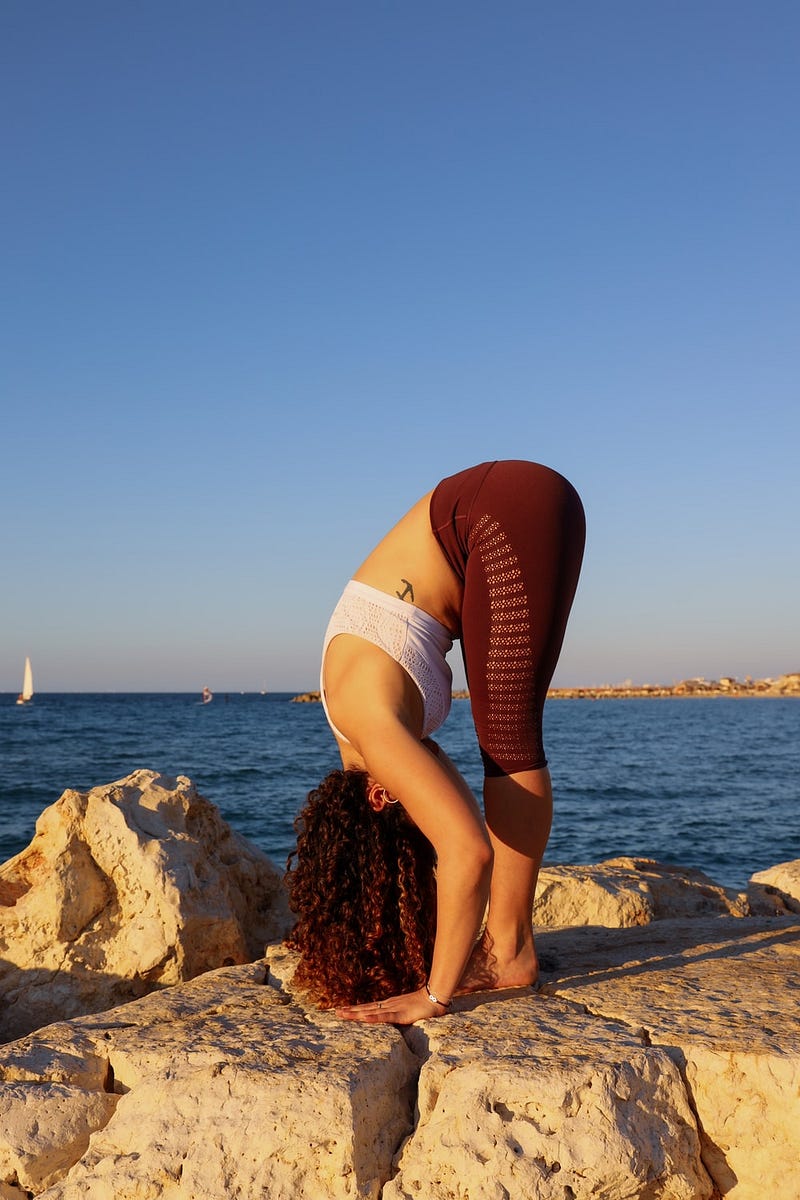
This movement stretches your entire posterior chain (backline) which is an area that can get tight, especially with lots of sitting.
You’ll be targeting your calves, hamstrings, glutes, lats, traps, rhomboid, and back, making it an incredibly effective mobility exercise. Again, when these areas are tight, we are more likely to experience pain in other areas of the body, and our risk of injury increases.
Prescription
- Here is an excellent demonstration of this movement.
- Stand with your feet shoulder-width apart, or a little bit less (whichever feels best for you).
- Bend forward while keeping your legs perpendicular to the ground (don’t let your legs lean back) and keep your legs straight.
- Go as low as you can, and rest here for about 30 seconds.
- Repeat 2–3 times.
6. QL straddle stretch
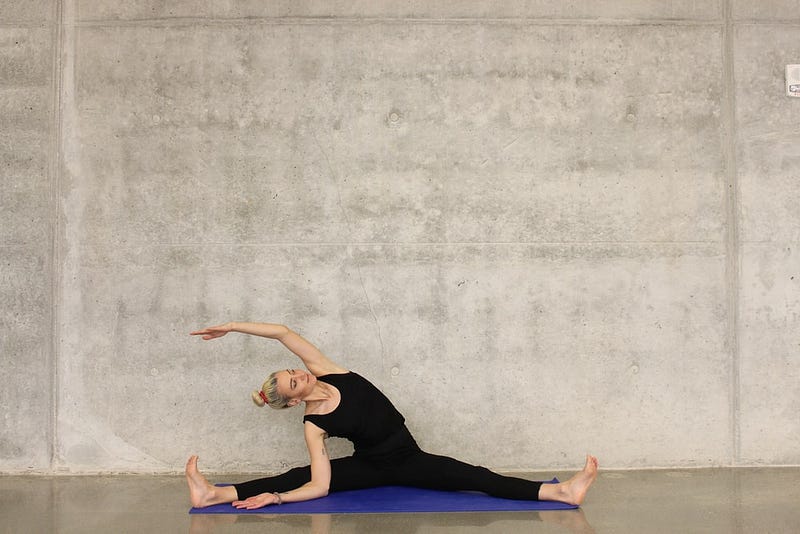
QL stands for quadratus lumborum and is a deep abdominal muscle.
These muscles sit on either side of your spine in your mid to lower back region. When these muscles are tight, we are much more likely to experience tightness and pain throughout our back.
Prescription
- Here is a video demonstrating this movement.
- Sit on the ground with your legs apart, as in the photo above. Keep your back straight and your chest up.
- Move one arm overhead and reach for your foot, while keeping your chest up. Hold this position for about 30 seconds before switching sides.
- Remember to breathe.
- Repeat 2–3 times.
7. World’s greatest/Spiderman lunge
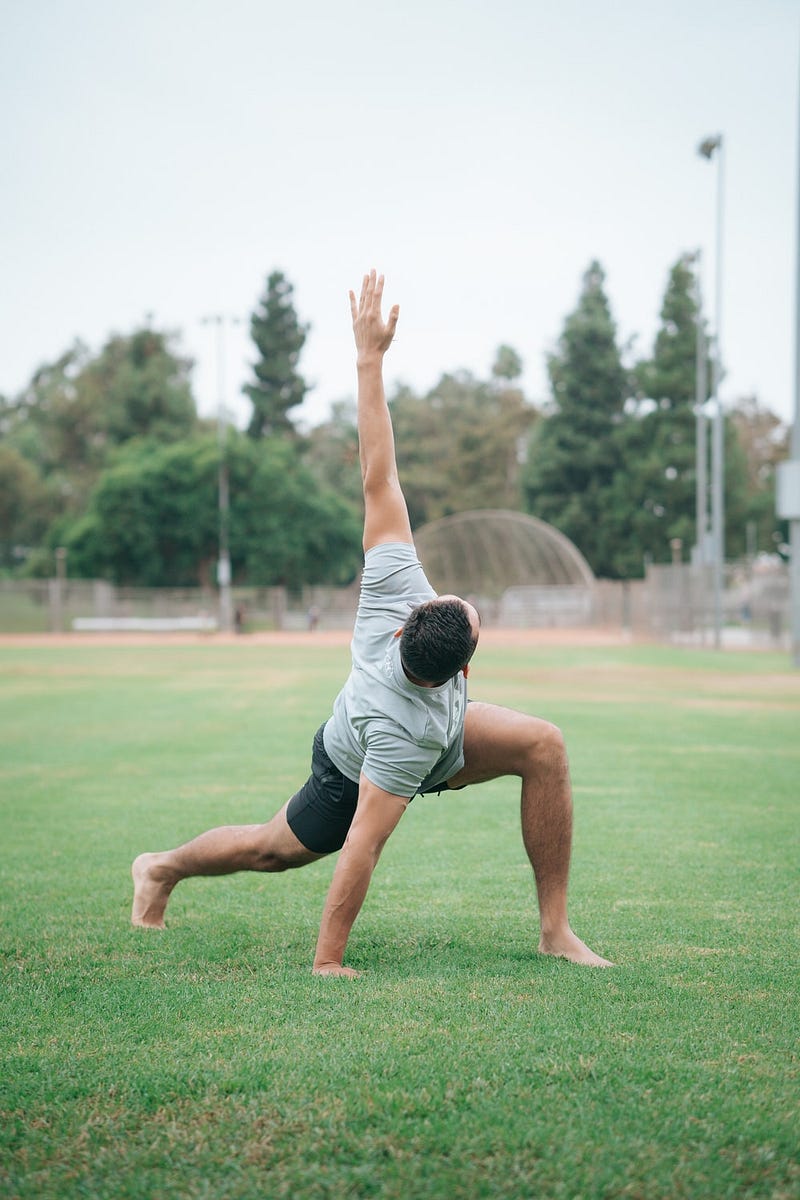
This is an active mobility movement that targets both the hip area and the upper back.
It will improve both hip mobility and shoulder extension (putting your arms over your head), and is a great full-body movement.
Prescription
- Here is a great video explaining and demonstrating this movement.
- Get into a lunge position with one hand on the ground, as in the photo above (opposite arm to front leg).
- Try to touch your other elbow to your front foot.
- Then, reach your arm up straight above you to make a T shape (exactly as in the photo above).
- Repeat 3–5 times on each side, then switch.
“Greater mobility gives you a foundation on which to build better strength and superior athleticism, while insulating yourself from injury.” — Men’s Health
Mobility is crucial, no matter what your goals are.
Whether you’re looking to become a bodybuilder or powerlifter, you’re running marathons or doing triathlons, or you just want to be healthy, you need to take time, ideally every day, to work on your mobility. This is true no matter your age — young or old, these are crucial movements.
Make time in your day to prioritize moving. You can do these in the morning, on a lunch break, or in the evening. Whatever will work best for you. Just pick a time and make sure you do it as often as possible.
Want to improve your health, one habit at a time?
Sign up for my free weekly newsletter, Momentum. Each week you’ll receive one new habit to try. I’ll explain why it’s important and how to make it easy. This newsletter will help you to create the momentum you need to move towards a healthier and happier future.


