
7 Coffee Myths That Seem To Be True.
The most loved beverage has it’s own share of misconception. I have a love affair with my coffee and want to make my love clear any myths about my lover.
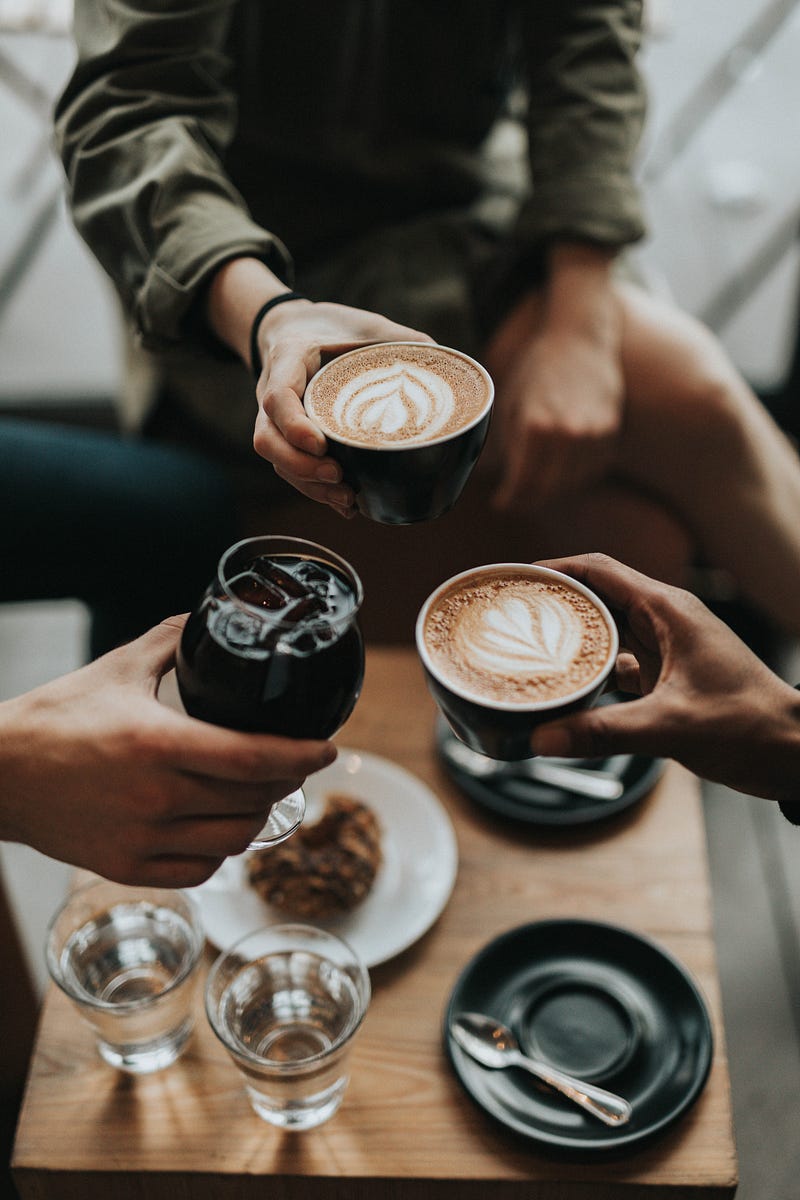
My Love Story with Coffee
Born in Mumbai, Western India, I was always a tea toddler in my younger days. My liking for coffee was developed in my early teens when I started going for group studies with my college friends.
I always preferred studying at night for my college exams, and these group studies were helping me as we used to start our studies at 10 pm at one of my friend’s empty house and studied till 4.30 am, before going to sleep and returning home back at 8 am.
My friend was from South India, who are known to prefer coffee. I started to have black coffee in his house with no tea option to keep those eyelashes open.
And thus, I started a love affair with one of the most addictive drinks globally.
The love for coffee has matured over the years, and I try to check any new option available whenever I visit a new cafe or a new place known for a different type of coffee.
I have tried almost everything, the green coffee, the Irish, the latte, and the cappuccino. But my personal favorite has always been the pure intoxicating expresso. I can’t resist having a cup of coffee daily, no matter the mood, because I know after a cup, it is just going to get better.
I can’t agree more with Hugh Jackman’s quote:
“The smell of fresh-made coffee is one of the world’s greatest inventions.”
While I like to experience coffee, I also like reading and learning new facts about the drink I love. Over the years, I have come across many misconceptions about coffee, which are prevalent because of logical inference drawn by not so knowledgable people. These misconceptions have grown over the years and are sometimes considered as real facts.
Myths about coffee v/s the real facts
- Freshly roasted coffee beans make the best quality coffee. The above point may seem right unless you are aware of the science of roasted coffee beans. The flavors in roasted coffee beans continue to develop for two weeks after roasting, and this is evidenced by the CO2 emissions that continue during that time. The best coffee beans are found in 2–3 weeks after roasting.
- Quality of beans is a key ingredient in taste of espresso. While better quality beans should provide you an excellent tasting coffee, the most significant component for this to be true is the barista’s skill. Unskilled baristas will make bad tasting espresso even with the world’s best beans. Still, a skilled barista can take even the lesser quality beans on offer and produce a good cup.
- 100% Arabica is known to make the best milk-based espresso. Arabica is suitable for a short black non-milk coffee. However, this statement is not valid for any coffee made on milk. A combination of 90% Arabica + 10% Robusta is considered the right blend for milk-based espressos because the Robusta bean’s hardness allows you to grind a more delicate blend that still promotes perfect extraction without stalling. Robusta’s acidic taste notes cut the subduing effects from the fat inside the milk to deliver that desirable coffee hit and a rich Robusta creme in your cappuccino.
- The burnt taste in espresso is caused by burning the milk or extraction at high temperature by the barista. The truth is that, while it is the barista who is responsible for the burnt taste, it comes from the naturally found Tannic acid, which has leached into the coffee,due to barista’s incorrect extraction techniques.
- A longer extraction process strengthens the taste of an expresso. In reality, the strength of espresso is extracted in the first 20 seconds. By extending the process longer, you will only get the bitter-tasting Tannic acid leaching into the brew and give you the bitter burnt flavor in your coffee.
- The grinder used for making coffee does not make a difference in the taste of the coffee. This is far from reality. The conical grinder is much better compared to burr and blade grinders. It can produce excellent resistance to extract the most aromatic substances from the ground coffee while not pre-cooking the grounds with the high heat generating speeds required of the burr and blade grinders.
- Acidity is considered as a bad coffee taste. Acidity is the heart and soul of your coffee. Acidity are those pleasant high notes, sharpness, brightness, and vibrancy that increase the overall experience. Without sufficient acidity, the coffee beverage would be flat and dull, just like a flat beer. It’s the extraction of the Tannic acid that is bad and that many people equate it with acidity.
Since you have reached upto this point in my story, let me give you a bonus tip indirectly linked to coffee.
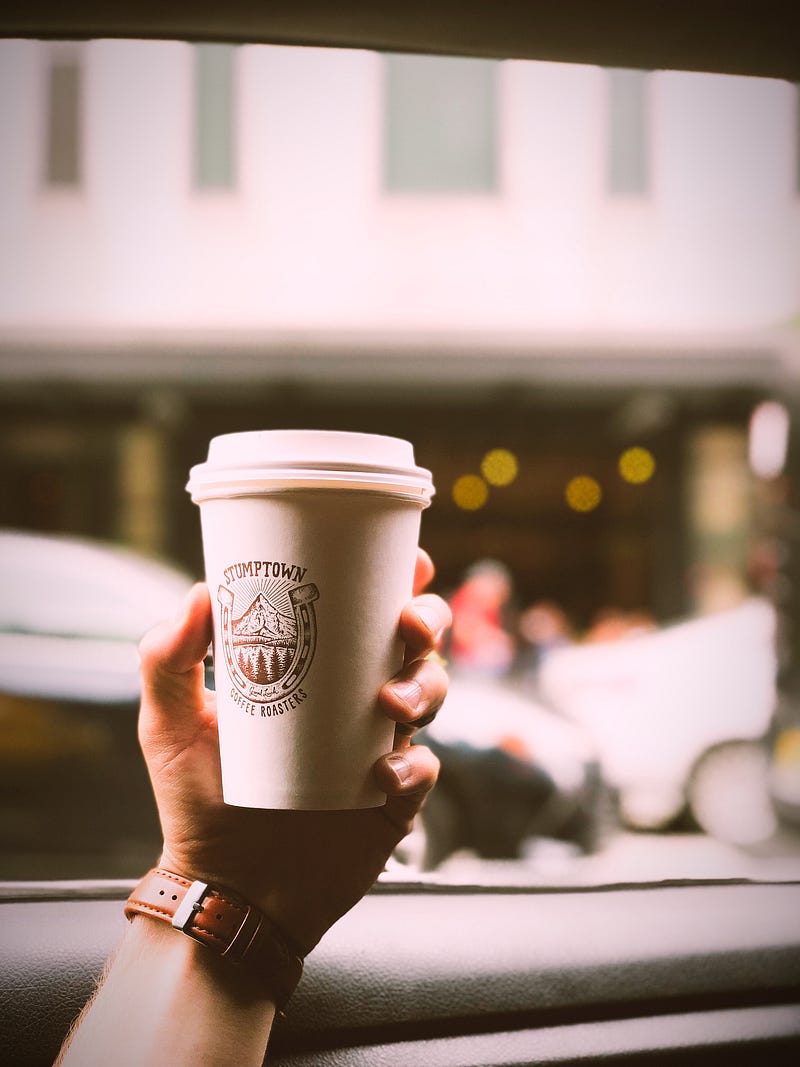
Take away paper cups are environment friendly. The truth is that paper cups may consume more non-renewable resources. These paper cups are coated with a petroleum-based coating on the inside, which significantly slows bio-degrading and may release methane if decomposed artificially. Additionally, producing paper means destroying trees and using multiple chemicals and a tremendous amount of water.
Key Coffee Take-Aways
- Its not the beans that make a great coffee cup. It’s the skill and experience of the barista that get you your most loved beverage.
- The best beans are the once roasted two weeks ago and not the freshly roasted.
- Paper cups are not environment friendly; if you want to save the environment, follow the Indian style. Use reusable clay cups, glass cups, or the south style steel cups. Those are most environment-friendly as well as cost-effective.
I hope you enjoyed the story with your favorite cup of coffee…!!


