
7 Childhood-Shattering Theories — Disney’s Sinister Side
Disturbing theories unraveling how Disney ruined our childhood.
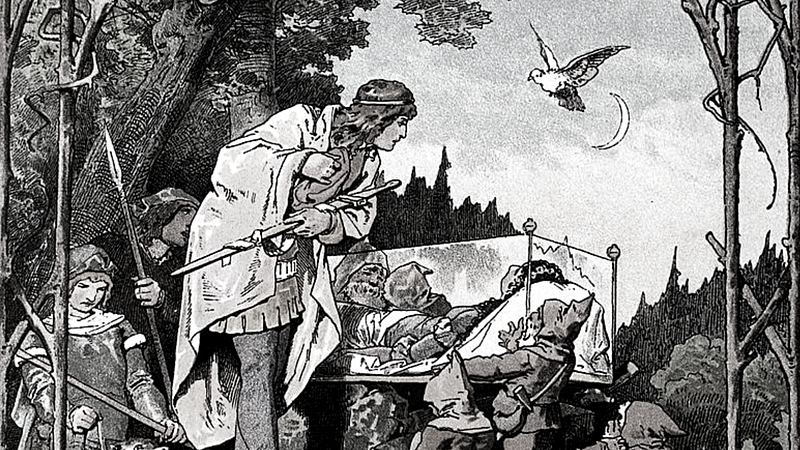
Do you remember the days when you watched Disney movies as a child and felt the innocence of the stories and characters?
Well, those days are over. We’re here to present 7 theories about classic Disney movies that will forever change the way you view them.
From the dark implications of ‘The Little Mermaid’ to the Freudian symbolism of ‘Snow White’, these theories will make you look at Disney movies in a completely different light.
Get ready to say goodbye to innocence and hello to a whole new perspective.
7- Snow White And The Seven Dwarfs — The Evil Queen
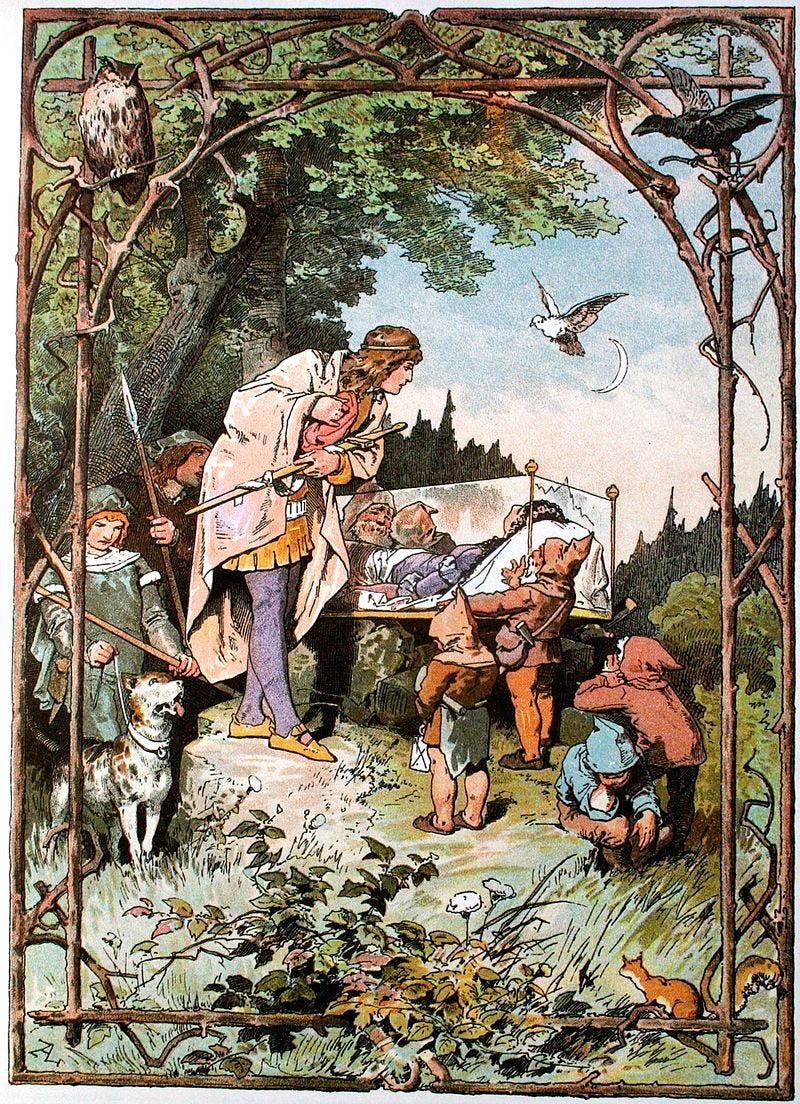
The first full-length Disney animated movie is beloved by generations. However, there is a theory that the Evil Queen is not the villain of the story.
According to this theory, Snow White died in the forest and the Seven Dwarfs represent the stages of grief.
Grumpy is denial, Happy is acceptance, and so on.
The theory also suggests that the Queen is a representation of Snow White’s mother figure who sent her to her death in the forest. This theory may not be true, but it adds a darker dimension to this classic tale.
6- Pinocchio — The Antichrist, Lies, And Deception
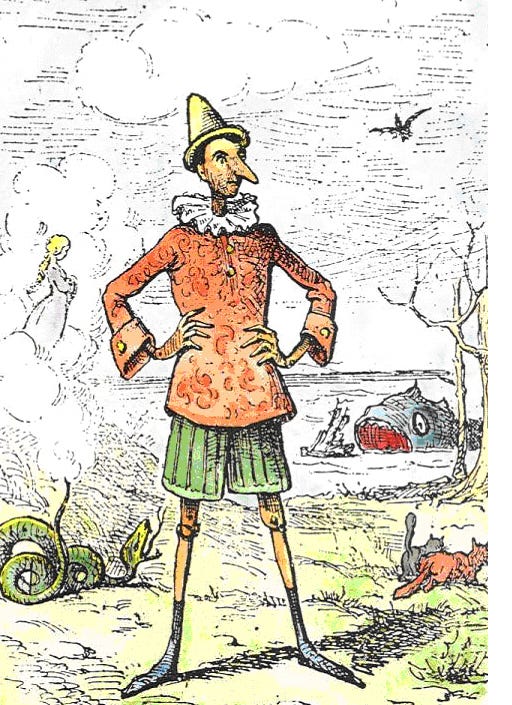
Pinocchio may seem like a heartwarming story about a puppet who dreams of becoming a real boy, but some theories suggest that there may be a more sinister undertone to this classic tale.
One theory is that Pinocchio represents the antichrist, as he is brought to life by a force other than God and tempts those around him into sinful behavior.
Another theory is that Pinocchio is a representation of the dangers of fame and fortune, as his desire for attention and wealth leads him down a dangerous path filled with lies and deception.
This is reflected in the scene where he joins a traveling circus, abandoning his father Geppetto, and getting caught up in a world of deceit and danger.
The famous scene where Pinocchio’s nose grows every time he tells a lie could also represent the danger of propaganda and misinformation. In a world where fake news and disinformation are prevalent, this warning seems particularly relevant.
Despite the darker interpretations of Pinocchio, the story ultimately ends on a hopeful note, with Pinocchio finally becoming a real boy and learning the importance of honesty and virtue.
However, these theories serve as a reminder that even our most beloved childhood stories may have darker implications and deeper meanings.
5- The Monster — Beauty And The Beast
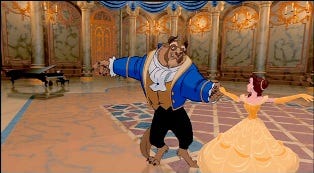
One theory that has been circulating for years is that the Beast from “Beauty and the Beast” is based on a real historical figure.
It is said that the Beast is modeled after a man named Petrus Gonsalvus, who was born in the Canary Islands in the 16th century with a rare condition known as hypertrichosis. This condition causes excessive hair growth all over the body, making the person look like a “monster.”
Petrus was brought to the court of King Henry II of France, where he was studied and put on display like a circus freak.
It is said that he eventually married a French noblewoman named Catherine, who fell in love with him despite his appearance. This real-life love story is said to have inspired the plot of “Beauty and the Beast.”
While this theory is certainly fascinating, it’s important to remember that “Beauty and the Beast” is a work of fiction and not meant to be taken literally. Nonetheless, it’s interesting to think about the possible real-life inspirations for our favorite Disney stories.
4- Mulan — Feminist Hero
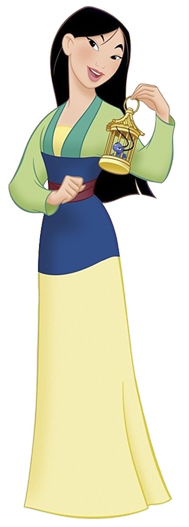
Mulan is one of Disney’s most beloved films, telling the story of a brave young woman who disguises herself as a man to fight for her country. However, some theories suggest that the film’s story is more complex than it seems.
One theory proposes that the reason why Mulan’s ancestors sent her a dragon was to guide her to her inevitable death. The ancestors could not allow their family name to be disgraced by having Mulan live as a man.
Another theory states that Mulan’s love interest, Captain Li Shang, is gay, which is why he is initially attracted to Mulan while she is disguised as a man.
In another theory, Mulan is suffering from post-traumatic stress disorder (PTSD) due to her experiences during the war. Her father’s initial disapproval of her enlisting in the army also represents the stigma surrounding mental illness in traditional Chinese culture.
Regardless of these theories, Mulan’s message of courage and self-discovery still resonates with audiences today.
Whether we see Mulan as a feminist hero, a tragic victim, or a fighter for mental health awareness, there is no denying the film’s impact on Disney fans.
3- The Psycho — Alice In Wonderland
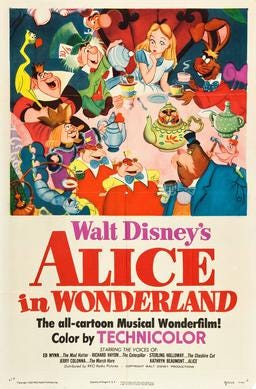
One of the most infamous Disney movie theories revolves around the 1951 classic, Alice in Wonderland.
The theory suggests that the movie was a hallucination caused by Alice’s ingestion of hallucinogenic drugs, such as LSD or magic mushrooms.
Supporters of this theory point to the numerous instances of surreal and nonsensical imagery in the movie, such as talking flowers and animals, as evidence of Alice’s altered state of mind.
Additionally, they claim that the “Eat Me” and “Drink Me” signs that Alice encounters are references to drugs.
Whether or not this theory is true, it certainly adds a dark and disturbing layer to the beloved children’s tale.
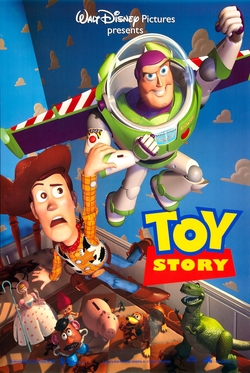
2- Toy Story — The Unnoticed Fact
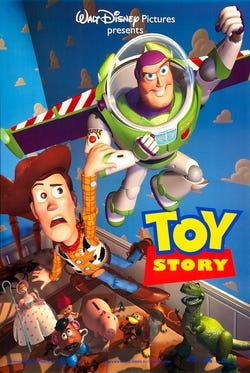
Toy Story is arguably one of the most beloved Disney movies of all time, but there are some sinister theories about the film that might make you see it in a different light.
One such theory is that Andy’s dad is Woody’s original owner. This is suggested by the cowboy hat and Woody’s love for Andy’s family, which would make sense if they were passed down from Andy’s father.
Another theory is that Sid, the creepy kid who enjoys destroying toys, eventually grows up to become a garbage man who picks up and disposes of discarded toys.
This theory is supported by the fact that Sid wears a shirt with the same skull design as the garbage man’s shirt later in the movie.
Both of these theories add a dark layer to the otherwise lighthearted film. Regardless of whether or not these theories are true, they certainly give Toy Story a new level of depth and complexity that may have gone unnoticed before.
1- The Little Mermaid — Revenge
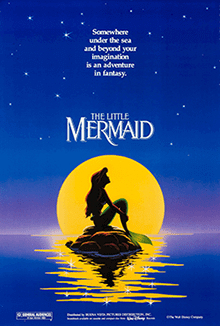
The Little Mermaid has always been considered one of the sweetest and most romantic Disney movies. Moreover, what if we told you that it’s pretty twisted?
The theory suggests that Ursula is Ariel’s aunt. In one scene, we can see a glimpse of King Triton’s golden trident, which Ursula could have obtained in the past.
Furthermore, Ursula mentions that she once lived in the palace with Triton, suggesting that she was banished and now seeks revenge.
Moreover, Ursula tells Ariel that if she fails to make Prince Eric fall in love with her, she will turn back into a mermaid.
Although, she fails to mention that Ariel would have to hand over her soul to do so. This could be the reason Ursula wanted Ariel to fail and turn her into a polyp, keeping her as a prisoner in her underwater garden forever.
Who would have thought that Ursula’s goal wasn’t just to steal Ariel’s voice, but also her soul? Mind blown!
Points To Ponder
As much as we love Disney movies and the magic they bring to our childhood, these evil theories leave us with a bitter aftertaste.
While some of them may seem far-fetched, they certainly put a darker spin on some of our favorite childhood memories.
Although the fact that these theories exist speaks to the power of storytelling and how different perspectives can change the entire narrative. It’s up to us to decide what we choose to believe and what we choose to let go.
So, while we may never look at these Disney movies the same way again, let’s embrace the nostalgia and keep the innocence alive in our hearts. After all, the true magic of Disney is in the joy it brings to our inner child.
Join Medium Today
More from the author:


#/media/File:Beauty_and_the_Beast_screenshot.jpg)

#/media/File:Alice_in_Wonderland_(1951_film)_poster.jpg)
#/media/File:The_Little_Mermaid_(Official_1989_Film_Poster).png)