
7 Books to Be the Top Data Engineer
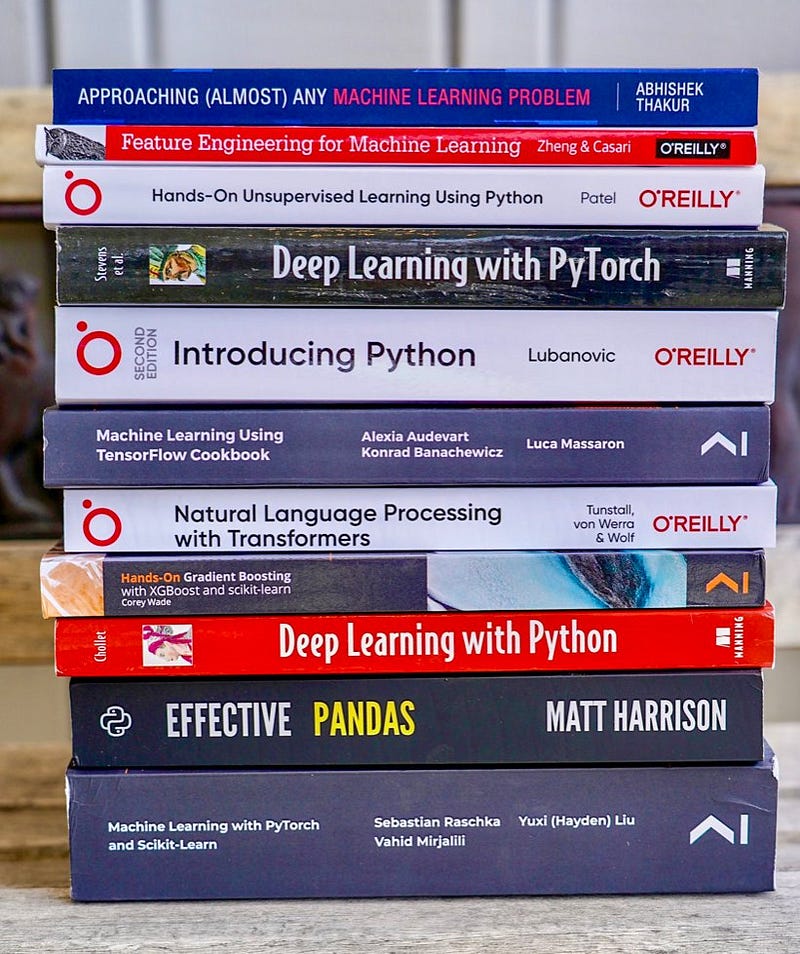
In today’s data-driven world, data engineering plays a pivotal role in transforming raw data into actionable insights. Aspiring data engineers often seek guidance and knowledge to master the essential skills required for success. While online resources and courses are abundant, the power of a well-written book can never be underestimated. In this article, we will explore seven books that can help you become a top data engineer. These carefully selected books cover a wide range of topics and provide valuable insights to enhance your data engineering expertise.
Book 1: “Data Engineering for Dummies”
Overview
“Data Engineering for Dummies” serves as an excellent starting point for beginners in the field of data engineering. Written in a user-friendly language, this book introduces fundamental concepts and best practices.
Key Topics Covered
The book covers a range of topics, including data pipelines, data integration, data lakes, and data governance. It provides a solid foundation for understanding the core principles of data engineering.
Benefits of Reading this Book
By reading “Data Engineering for Dummies,” you will gain a comprehensive understanding of data engineering fundamentals. It equips you with the knowledge necessary to build scalable data solutions and lays the groundwork for further exploration in the field.
Book 2: “The Data Warehouse Toolkit”
Introduction
“The Data Warehouse Toolkit” by Ralph Kimball and Margy Ross is a must-read for aspiring data engineers. It focuses on the design and implementation of data warehouses, providing practical insights and real-world examples.
Topics Covered
The book delves into various aspects of data warehousing, including dimensional modeling, Extract-Transform-Load (ETL) processes, and business intelligence. It equips you with the skills needed to build robust and efficient data warehouse solutions.
How it Contributes to Becoming a Top Data Engineer
By mastering the concepts presented in “The Data Warehouse Toolkit,” you will develop a solid understanding of data warehousing principles. This knowledge will enable you to architect scalable data warehouse solutions and optimize data retrieval for analytical purposes.
Book 3: “Python for Data Analysis”
Book Overview
“Python for Data Analysis” by Wes McKinney is an essential resource for data engineers seeking to leverage the power of Python in their work. It focuses on data manipulation, analysis, and visualization using Python libraries like Pandas and NumPy.
Python’s Significance in Data Engineering
Python has become a dominant programming language in the data engineering ecosystem. It offers a wide range of libraries and tools that facilitate data processing, transformation, and analysis. “Python for Data Analysis” guides you through the practical applications of Python in data engineering.
How this Book Helps in Mastering Python for Data Engineering
By reading this book, you will acquire the skills necessary to manipulate and analyze large datasets using Python. It covers essential concepts like data cleaning, merging, and reshaping, enabling you to extract meaningful insights from complex datasets efficiently.
Book 4: “Data Science for Business”
Book Introduction
“Data Science for Business” by Foster Provost and Tom Fawcett provides a comprehensive guide to understanding the role of data science in a business context. While data engineering focuses on data infrastructure, this book explores the intersection between data engineering and business decision-making.
Understanding the Intersection of Data Engineering and Business
Data engineering and business go hand in hand. “Data Science for Business” helps you develop a holistic view by explaining how data engineering supports data-driven decision-making and enhances business operations.
Key Takeaways from this Book
By reading this book, you will gain insights into the importance of data engineering in supporting business strategies. It covers topics such as predictive modeling, customer segmentation, and A/B testing, helping you understand how data engineering contributes to overall business success.
Book 5: “Hadoop: The Definitive Guide”
Book Overview
“Hadoop: The Definitive Guide” by Tom White is a comprehensive reference for mastering Hadoop, an essential framework for big data processing. This book provides an in-depth understanding of Hadoop’s architecture, ecosystem, and usage patterns.
Importance of Hadoop in Data Engineering
Hadoop has revolutionized the way big data is processed and analyzed. It enables distributed storage and parallel processing of large datasets. “Hadoop: The Definitive Guide” equips you with the knowledge to leverage Hadoop’s capabilities effectively.
Learning from this Comprehensive Guide
By studying this book, you will gain expertise in designing scalable data processing pipelines using Hadoop. It covers topics such as MapReduce, Hadoop Distributed File System (HDFS), and data ingestion techniques, allowing you to harness the power of Hadoop for data engineering tasks.
Book 6: “Designing Data-Intensive Applications”
Introduction to the Book
“Designing Data-Intensive Applications” by Martin Kleppmann focuses on the design principles behind robust and scalable data-intensive applications. While not solely focused on data engineering, this book is highly relevant for data engineers working on large-scale systems.
Examining the Design Principles for Data-Intensive Applications
Understanding the design principles behind data-intensive applications is crucial for data engineers. This book covers topics such as data modeling, data storage systems, and distributed systems, providing valuable insights into designing efficient and resilient data architectures.
How it Enhances Data Engineering Skills
By delving into the concepts presented in “Designing Data-Intensive Applications,” you will sharpen your data engineering skills. It equips you with a deep understanding of distributed data systems, enabling you to make informed architectural decisions and build robust data pipelines.
Book 7: “Data Engineering Teams”
Overview of the Book
“Data Engineering Teams” by Andreas Kretz explores the importance of teamwork and collaboration in the field of data engineering. It focuses on building effective data engineering teams and fostering a culture of collaboration and innovation.
Understanding the Importance of Teamwork in Data Engineering
Data engineering is rarely a solitary endeavor. Successful data engineering projects require effective teamwork, coordination, and communication. “Data Engineering Teams” provides valuable insights into team dynamics and strategies for optimizing collaboration.
Extracting Valuable Insights from this Book
By reading this book, you will gain insights into building and managing data engineering teams. It covers topics such as team structure, roles and responsibilities, and fostering a culture of continuous learning. This knowledge will contribute to your growth as a data engineer.
Conclusion
In conclusion, these seven books offer a wealth of knowledge and insights to help you become a top data engineer. They cover essential topics such as data engineering fundamentals, data warehousing, Python for data analysis, the intersection of data engineering and business, Hadoop, designing data-intensive applications, and teamwork in data engineering. By exploring these books and applying the concepts learned, you can enhance your skills, deepen your understanding, and take your data engineering career to new heights.
- ⭐️ Click here, You can also buy me a coffee if you like this story. It will be a great help to me. Thank You!
FAQs
Q1: What is the best book for beginners in data engineering?
A1: “Data Engineering for Dummies” is an excellent book for beginners, providing a solid introduction to the fundamentals of data engineering in a user-friendly manner.
Q2: Are these books suitable for self-study?
A2: Yes, these books are designed to be self-study resources. They provide comprehensive explanations and practical examples, making them suitable for independent learning.
Q3: Can I become a top data engineer by reading only these books?
A3: These books cover essential topics and provide valuable insights, but they should be supplemented with practical experience and continuous learning. Combining theoretical knowledge with hands-on projects is key to becoming a top data engineer.
Q4: Are there any prerequisites for reading these books?
A4: While some familiarity with programming, databases, and data concepts can be beneficial, these books are structured to accommodate both beginners and intermediate learners in data engineering.
Q5: Can I find these books in digital formats?
A5: Yes, most of these books are available in digital formats such as eBooks and audiobooks, making them easily accessible for readers who prefer digital resources.


