
7 Best Python Libraries You Should Use In 2023
Power up your Python development
Have you ever found yourself stuck in the middle of a project, trying to solve a complex problem that seems to take forever? Well, you’re not alone. Many developers face this challenge when building software, and that’s where libraries come in handy. These pre-built solutions help you to write complex and time-consuming functionality in an easy way, saving you time and effort. With so many libraries out there, it can be hard to decide which one to use. So I have compiled a list of the 7 most-starred Python libraries that are sure to help you in your development journey.
1. Fire
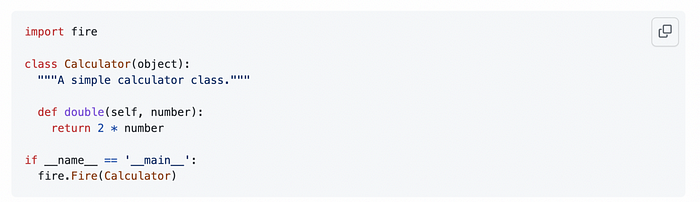
This one is from Google. If you want to do CLI development then this is the best resource for you. This is a library for automatically generating command-line interfaces (CLIs) from absolutely any Python object. It provides lots of features like a helpful tool for developing and debugging Python code, exploring existing code or turning other people’s code into a CLI, making transitioning between Bash and Python easier, and many more. It has more than 24k stars on GitHub. Please check the library here.
2. Memray
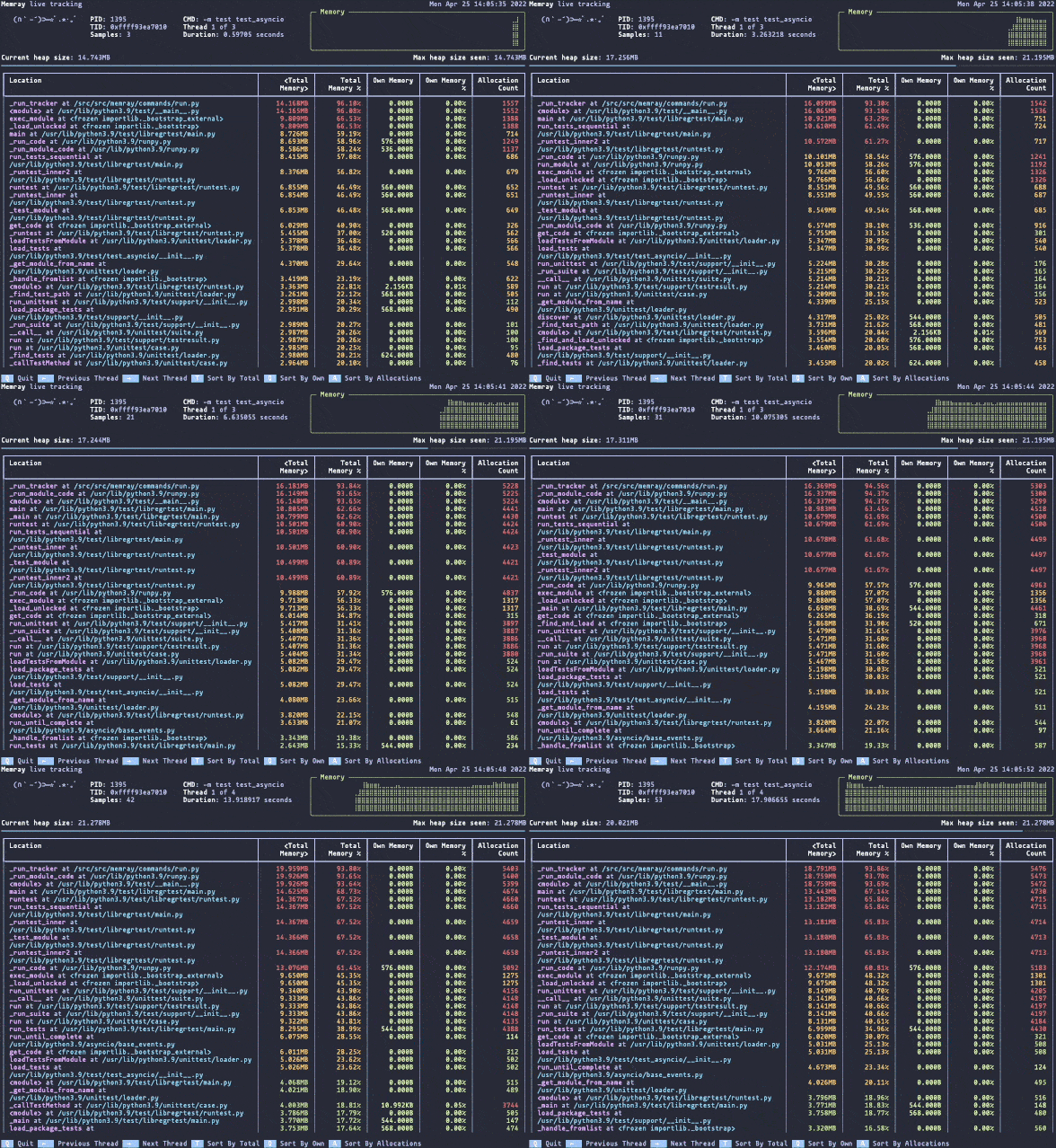
A memory profiler can make your app faster and bug-free. This is a memory profiler that can track memory allocations in Python code, in native extension modules, and in the Python interpreter itself. It can generate several different types of reports to help you analyze the captured memory usage data. While commonly used as a CLI tool, it can also be used as a library to perform more fine-grained profiling tasks. It has more than 10k stars on GitHub. Please check the library here.
3. Diagrams
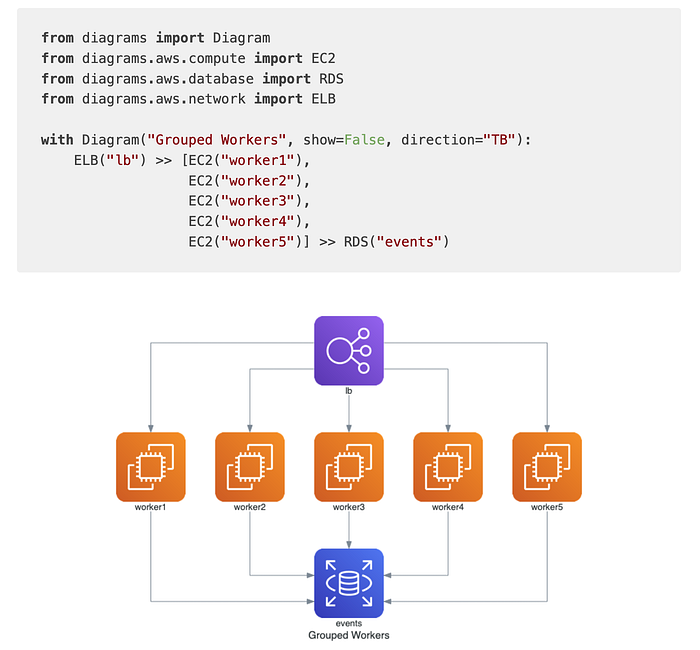
This library will let you draw the cloud system architecture in Python code. Without any design tools, it was created for the purpose of prototyping new system architecture designs. The current system architecture can also be explained or represented visually. It currently supports the most popular cloud services, such as those from AWS, Azure, GCP, Kubernetes, Alibaba Cloud, Oracle Cloud, and others. You can also track changes to the architecture diagram in any version control system. It has more than 28k stars on GitHub. Please check the library here.
4. Tqdm
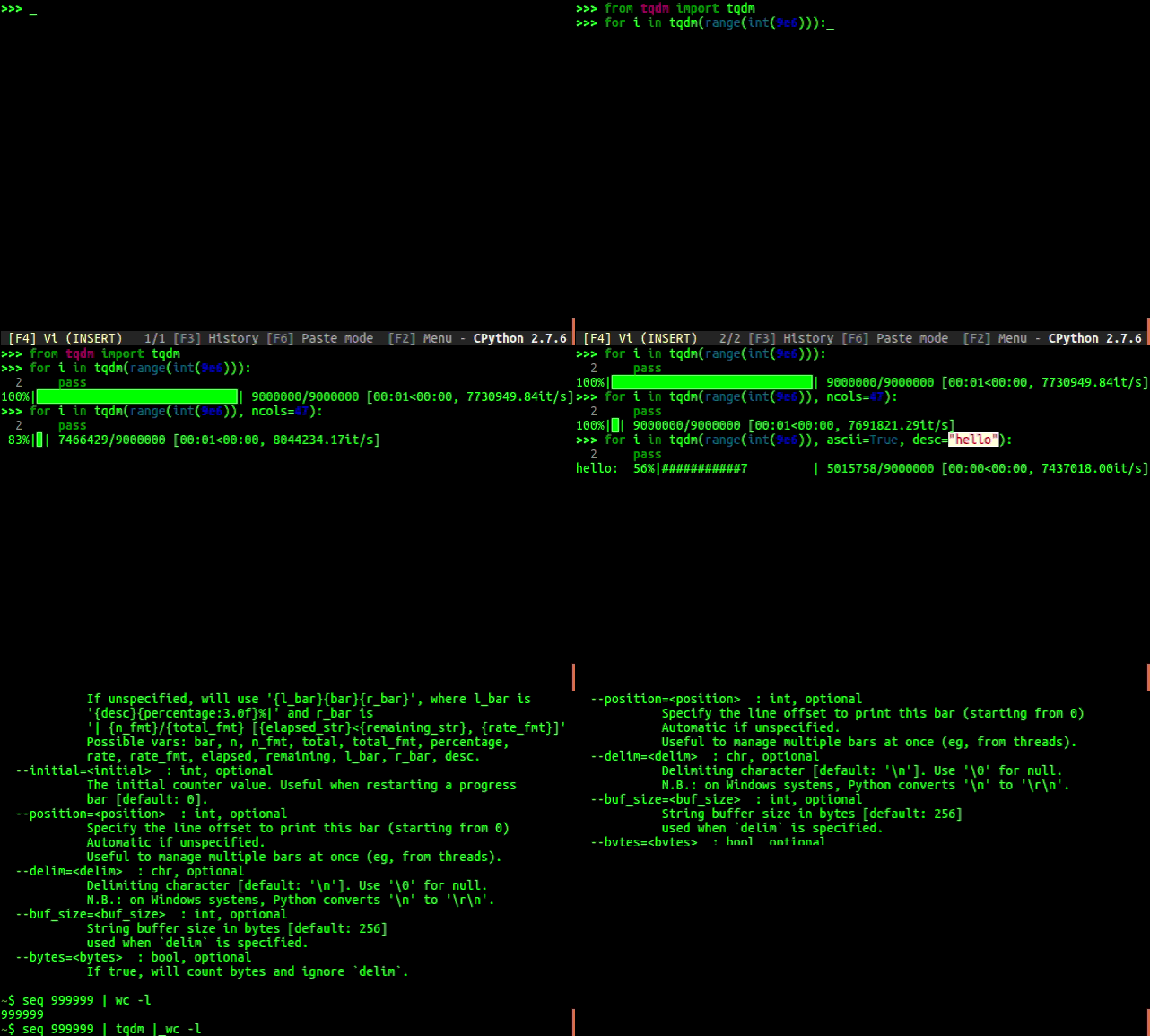
Showing a progress bar while loading data is one of the common ways to make a good user experience. This library will provide a fast, extensible progress bar for python and CLI. In addition to its low overhead, this library uses smart algorithms to predict the remaining time and to skip unnecessary iteration displays, which allows for a negligible overhead in most cases. It has more than 24k stars on GitHub. Please check the library here.
5. Mypy
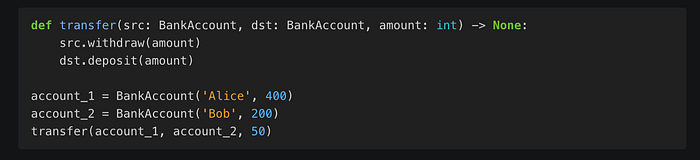
Python is a dynamic language, so usually, you’ll only see errors in your code when you attempt to run it. This library is a static checker, so it finds bugs in your programs without even running them. It will also add type checkers that will help to ensure that you’re using variables and functions in your code correctly. It includes lots of features such as type inference, generics, callable types, tuple types, union types, structural subtyping, and more. It has more than 15k stars on GitHub.Please check the library here.
6. Bokeh
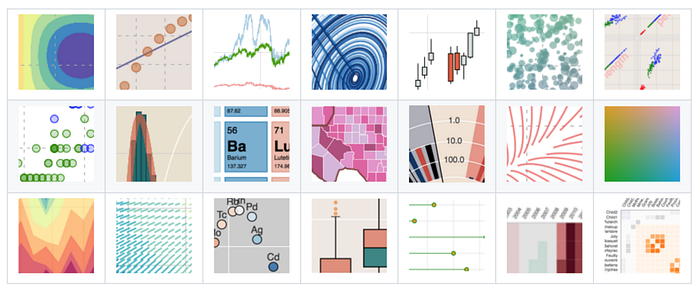
This is an interactive visualization library for modern web browsers. It enables high-performance interactivity over large or streaming datasets and offers elegant, concise construction of versatile graphics. Anyone who wants to create interactive plots, dashboards, and data applications quickly and simply can use this library. It has more than 17k stars on GitHub.Please check the library here.
7. Pyenv
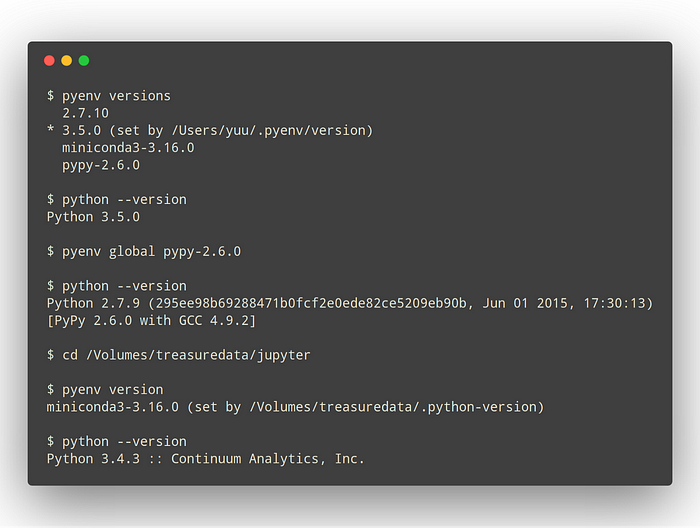
This library lets you easily switch between multiple versions of Python. It’s simple, unobtrusive, and follows the UNIX tradition of single-purpose tools that do one thing well. It includes lots of features like changing the global Python version on a per-user basis, providing support for per-project Python versions, allowing you to override the Python version with an environment variable, and many more. This library has more than 31k stars on GitHub. Please check the library here.
Where are some other awesome resources?
There are always new things to learn. If you want to learn more about awesome resources on Programming please check out the below link.
That’s all for today. I believe these libraries will help you a lot in your development journey.
If you know of any other beautiful Python libraries, please share them in the comments. Until we meet again. Cheers!
Want to Connect? If you want to, you can connect with me on Twitter.
More content at PlainEnglish.io.
Sign up for our free weekly newsletter. Follow us on Twitter, LinkedIn, YouTube, and Discord.
Interested in scaling your software startup? Check out Circuit.


