
In the World of Locomotive Companies — SAL Made Fortune
Fascinating Focus and Fearless Leadership Made Railroad Successful Article 2 of 6
Dear Reader,
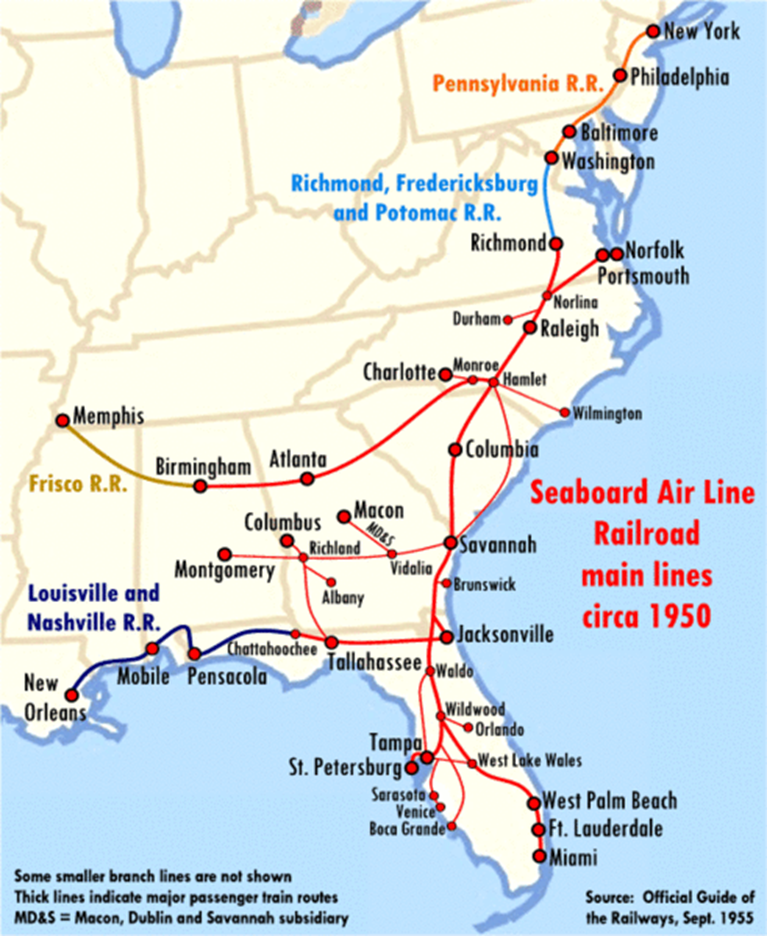
From the first article in this series of articles, you can see that this railroad appeared to be all over the southern and eastern portions of the United States. This is the second article of 6 written about Seaboard Air Line Railroad (SAL). Here is a link to the first article https://readmedium.com/2187338691cd?source=friends_link&sk=9d46b517906114504b29f2e1d7816f71
In this article, we will look at more locations, the Civil War and Reconstruction, the Air Line name, and the late 19th century. We will also check out the Seaboard Air Line System, and Seaboard predecessors in Florida.
Please stay with us as we discover even more about what made this railroad work as it did. This story is just starting to get wheels and roll down the tracks. Let's keep rolling along. All Aboard!
Introduction
When we left our last article, we learned that the Raleigh & Augusta Air Line Railroad had been chartered by the state of North Carolina to build a railroad from Deep River to or near the coalfields of Moncure. We begin now where we left off.
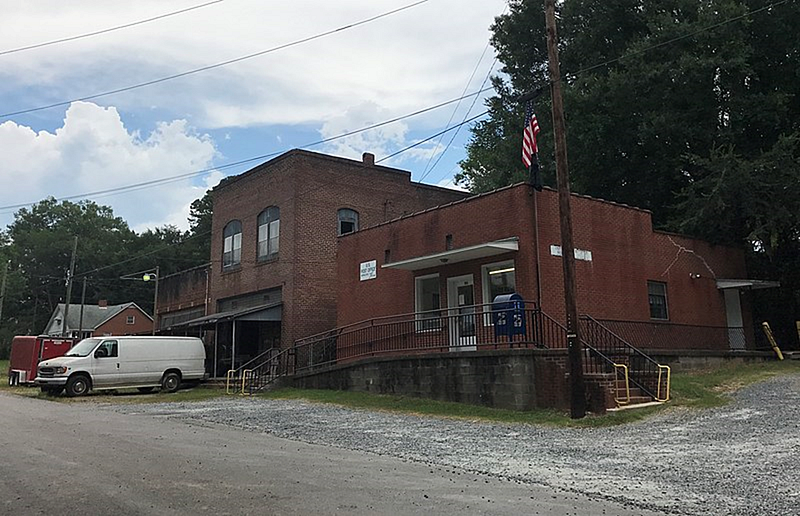
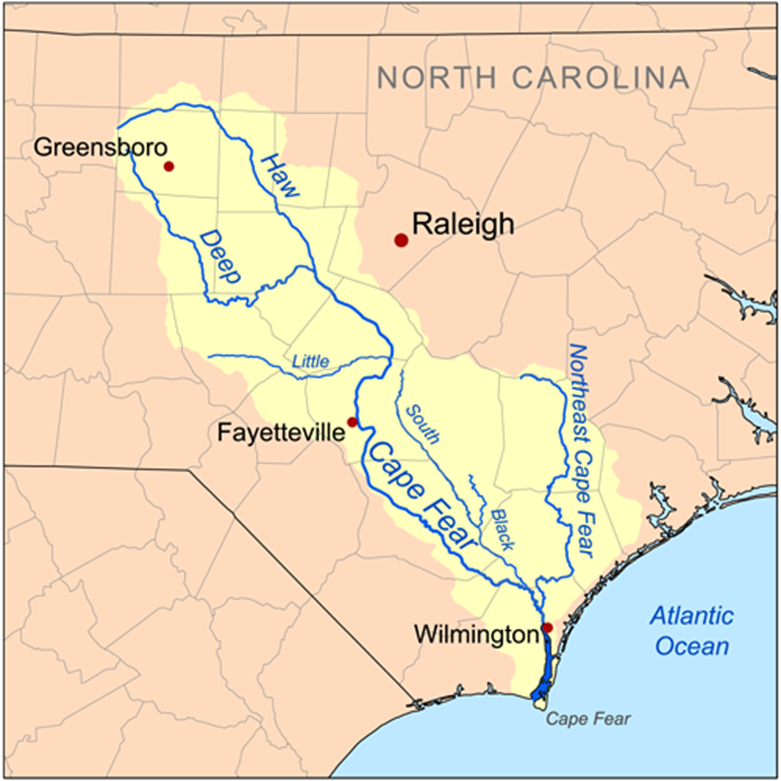
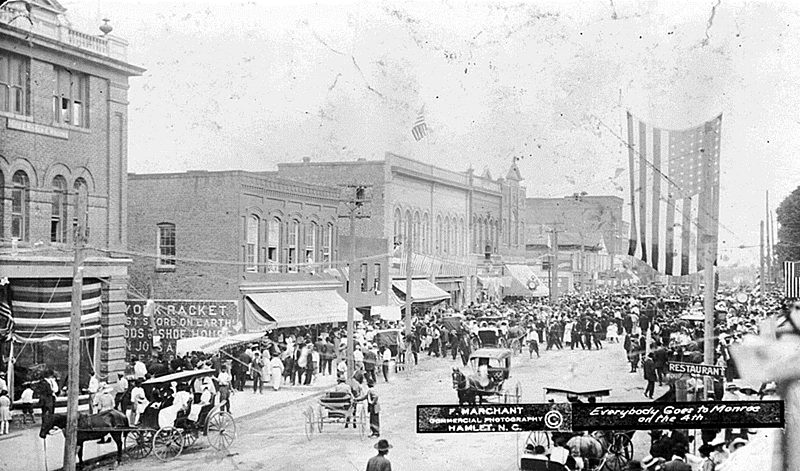
The project was riddled with delays. In 1871 the effort was reorganized as the Raleigh & Augusta Air Line. It reached Hamlet in 1877 and in later years was a major SAL terminal point.
With a route that now extended through North Carolina the three roads offered a competitive network serving several important cities. The South became an industrial giant around cotton, agriculture/farming, textiles, and manufacturing.
Civil War and Reconstruction
The Civil War devastated railroads in former Confederate territories including Virginia and North Carolina. After the war, Moncure Robinson and Alexander Boyd Andrews organized the Seaboard Inland Air Line to connect Georgia and South Carolina to Portsmouth, Virginia.
The confederate general turned Republican political boss William Mahone cooperated with them to work against the conglomeration of railroads reorganized by Thomas A. Scott. Scott had moved up the ranks of the Pennsylvania Railroad.
He had taken control of the Chesapeake and Ohio Railroad after the Civil War. Scott tried to work with African American legislators to acquire (and rebuild) railroads further south. Virginia paid millions of dollars to get railroads rebuilt and commerce moving through its cities.
Scott was charged with corruption. Resentment against northern and black workers led to volatile situations in many areas. Eruptions of Ku Klux Klan (a white supremacist, right-wing terrorist, and hate group) violence centered on railroads through interior North and South Carolina.
The backbone of the future Seaboard Air Line System was made up of the R&G, P&R, and R&AA-L together. Moncure Robinson’s son John M. Robinson acquired financial control of the trio in 1875. The name had no legal authority, but that changed as Robinson continued to extend southward.
The first time the railroad used the name “Seaboard Air Line” was when the system was pushing toward Atlanta. It had already acquired the Georgia, Carolina & Northern Railway which intended to reach that city from Monroe, North Carolina. Construction began in 1887 and was completed as far as Inman Park, east of Atlanta, by 1892.
Atlanta had an ordinance that prevented Seaboard Air Line Belt (SALB) from reaching directly to the city. Not to be dissuaded, SALB built an 8-mile branch and a connection with Nashville, Chattanooga & St. Louis at Howells. The SALB then utilized trackage rights over the Dixie Line to reach the downtown area.
Just before this event, Robinson would link Rutherfordton and Wilmington, North Carolina via Charlotte and Hamlet by acquiring the Carolina Central Railroad in 1883. Rail service between these cities opened in 1887.
The Air Line name
Air Line was a term used for the shortest distance between two points before there was air travel. Several 19th-century railroads used the word air line in their titles to suggest that their routes were shorter than those of competing roads.
Seaboard never owned an airplane. In 1940 the railroad proposed the creation of “Seaboard Airlines,” but this idea was struck down by the Interstate Commerce Commission as violating federal anti-trust legislation.
During a spate of interest in aviation shares on Wall Street following Charles A. Lindbergh’s trans-Atlantic flight in 1927, Seaboard Air Line shares attracted some investor curiosity because of the name’s aviation-related meaning. The investors lost interest when they discovered that Seaboard Air Line was a railroad.
Late 19th century
Prosperous railroads were hauling passengers and cargo (cotton, tobacco, produce) during the 1850s. Then the Civil War began and bridges and tracks of both the north and south railroads were destroyed at various times by Union or Confederate troops. This slowed progress for the railroads.
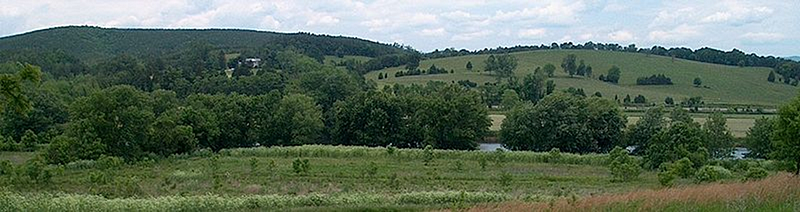
After the war prosperity returned. The managed Seaboard Road showed a profit even during the Panic of 1873 (a financial crisis that triggered an economic depression in Europe and North America that lasted from 1873 to 1877 or 1879 in France and Britain) and paid stockholders an annual dividend of 8 percent for many years.
In 1871 the Raleigh and Gaston Railroad controlled the Raleigh and Augusta Air-Line Railroad. They both fell on hard times from a financial standpoint during the Panic of 1873. John M. Robinson, president of the Seaboard and Roanoke Railroad acquired financial control of both carriers and became president of all three railroads in 1875.
The Seaboard Air-Line System
By 1881, the Seaboard and Roanoke, the Raleigh and Gaston, and others were operating as a coordinated system under the Seaboard Air-Line System.
In 1889, the Seaboard leased the still-unfinished Georgia, Carolina, and Northern Railway, providing a link from Monroe, North Carolina, (on the Seaboard line to Charlotte, North Carolina, acquired in 1881) to Atlanta, Georgia, (completed in 1892).
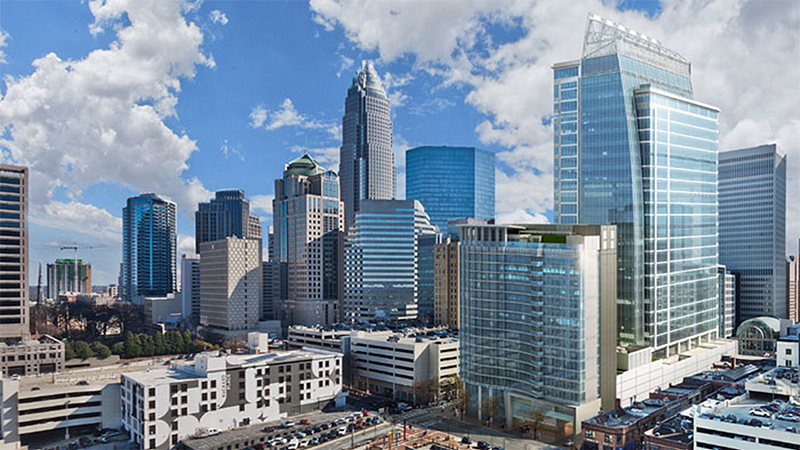
During its heyday in the 1890s, the system prided itself on offering excellent passenger service between Atlanta and the northeast. A coach and Pullman train, the S.A.L. Express, ran from Atlanta to the Seaboard Road’s depot and wharf at Portsmouth, where passengers could transfer to steamships for direct passage to Baltimore, Philadelphia, and New York.
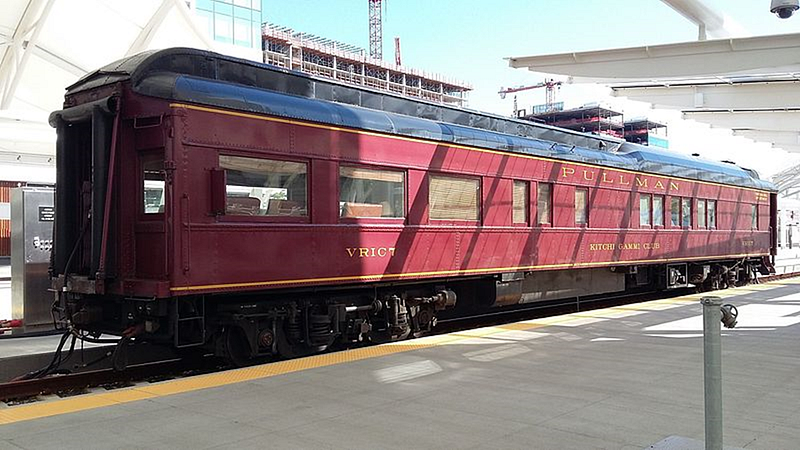
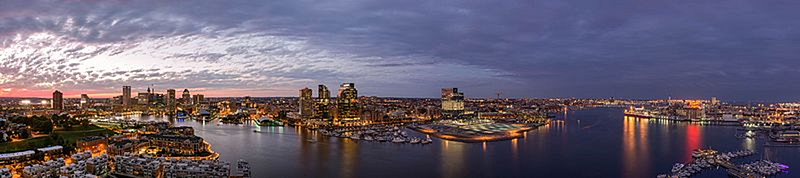
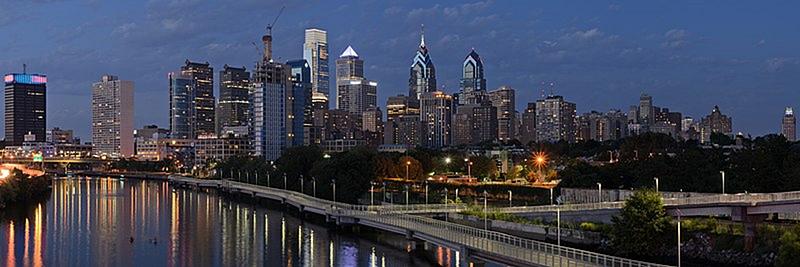
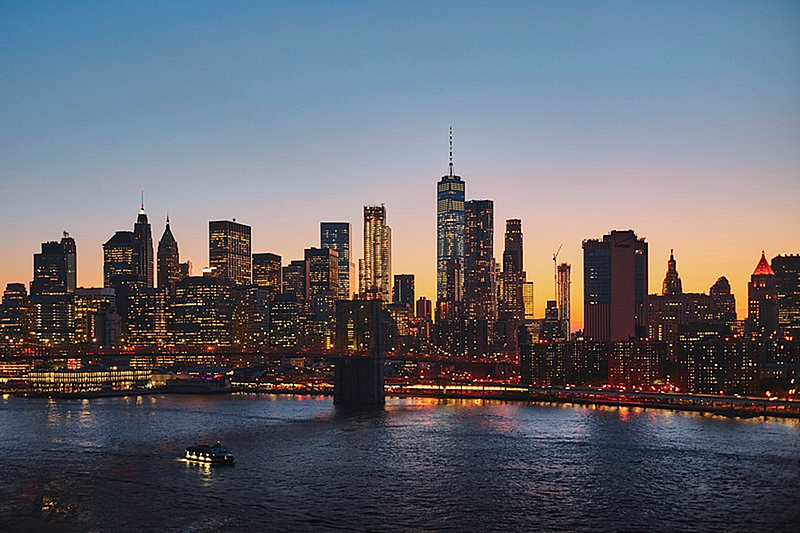
The Atlanta Special was the system’s premier train. It ran in service each day between Atlanta and Washington, using the Atlantic Coast Line’s tracks from Weldon to Richmond and the Richmond, Fredericksburg, and Potomac tracks from Richmond to Washington.
Seaboard affiliates Richmond, Petersburg, and Carolina completed the laying of track from Norlina to Richmond between 1898 and 1900, Seaboard now had a route from Atlanta to Richmond.
Florida resorts and markets were as important to the route as the major hub in Atlanta. In the last two decades of the 19th century, the pieces of the route to Florida began to fall into place.
The Palmetto Railway had been built southward from Hamlet, North Carolina, on the Seaboard main line, to Cheraw, South Carolina. In 1895, the Seaboard took control of the Palmetto Railway and extended the tracks to Columbia.
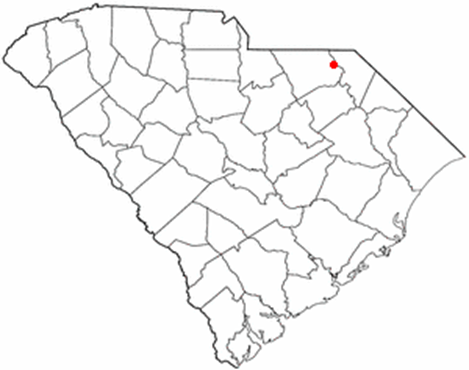
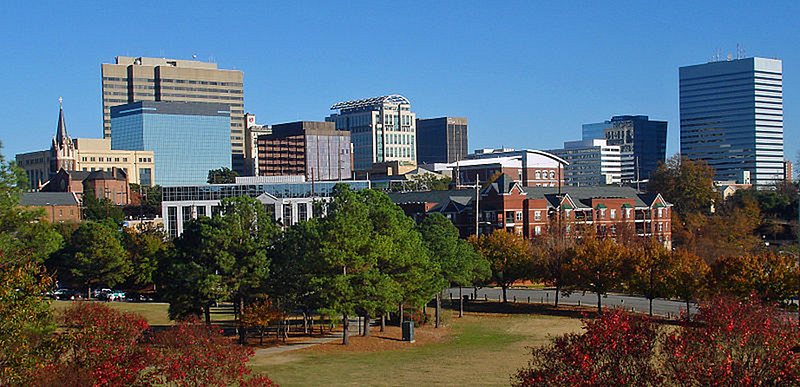
Also in 1895, the Savannah, Americus, and Montgomery Railway, which (ran Savannah to Montgomery), was bought by a syndicate that included the Richmond bankers John L. Williams and Sons. John Skelton Williams, a son of John L. Williams, became president of the line, renaming it the Georgia and Alabama Railway.
In January 1899, the Williams syndicate offered to purchase a majority of shares in the Seaboard and Roanoke, which included controlling interests in each of the affiliated companies and subordinated railroads in the Seaboard Air Line system.
Although a New York syndicate of various stockholders headed by Thomas Fortune Ryan opposed the deal, control of all the railroad properties comprising the Seaboard system was transferred to the Williams syndicate in February 1899. Williams and his financial backers then sought to expand into the Florida market.
Seaboard predecessors in Florida
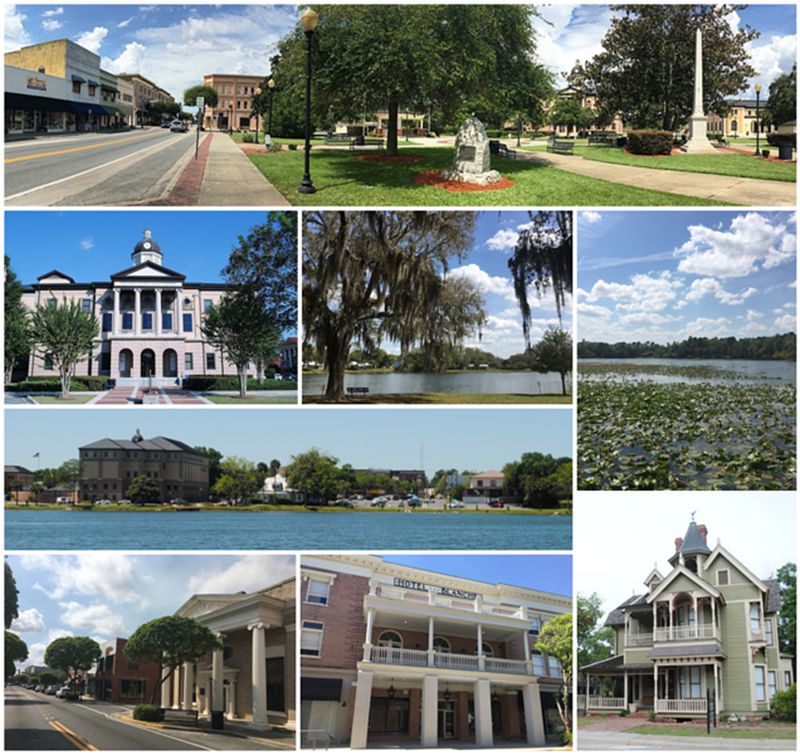
In 1860, the Florida, Atlantic, and Gulf Central Railroad (FA&GC) completed the construction of a line running west from Jacksonville, Florida, to Lake City, Florida. Florida Railroad opened from Fernandina, just north of Jacksonville, southwest to Cedar Key on the Gulf Coast.
In 1863, the Pensacola and Georgia Railroad (P&G) completed a line running east from Quincy, Florida, through Tallahassee to Lake City, where it connected with the FA&GC.
This is the end of Article 2. Please continue to read as we move forward into article 3.
If you liked this article, please clap for it, mark yourself as a follower of mine, and join me on my journey in writing as I contribute to various publications on medium.com.
The more time people spend reading my articles, the more it encourages me to continue writing. Many thanks for taking the time to read what I have written. Get access to unlimited articles here on Medium!
Your small membership fee supports Terry Day and other writers you read. You’ll also get full access to every story on Medium. What a bargain!
Where else can you read articles written by artistic and creative authors on so many different topics for $5 a month?
If you are not yet a medium member, please consider membership ($5 is a steal), and please mark yourself as one of my followers. My account on Medium is @tday597706. Many thanks in advance for your support!
Please join my email list, this allows you to be notified as soon as I post something new. My success in writing is dependent on readers like you who appreciate and support my writing. Thanks so much for taking the time to read and support me.


.jpg)


.jpg)