avatarInes May

Free AI web copilot to create summaries, insights and extended knowledge, download it at here

2323

Abstract

<p id="a8f0">It’s also complicated when a pet owner comes to you unhappy with the treatment he received at a previous clinic. You might realize the diagnosis made by the previous vet was wrong. Well, wrong or not, he’s still your colleague, and maintaining good relationships is important. But having a good relationship with your client (aka the pet owner) is important as well.</p><p id="f25d">Also, we could be the ones making a mistake next time and we have to think about how we’d want another veterinarian to deal with that. Honestly, who would have thought veterinary medicine could be so complicated?</p><h1 id="0d01">4. Ask for help or help a colleague</h1><p id="3d64">I’ve written about the fact that burnout has become quite common in the veterinary career in the last few years. I think it would be invaluable to teach veterinary students what the signs and stages of burnout are. Helping them recognize these signs in themselves and others could help a lot of people.</p><h1 id="d93a">5. Help people deal with death</h1><p id="71d6">I think it’s safe to assume everybody cried when Marley died on «Marley and me» right? I mean, I’m not sure I’ve fully recovered from that movie yet. But when it’s your Marley it’s much worse.</p><p id="eb87">Anyone who loves their pets knows that thinking about them dying is awful. But death is an unavoidable part of life. And when that moment comes, it often happens at the veterinary clinic. And who is there to help their owners deal with all the Marley’s that die? Yes, the veterinarian. I don’t think anything that can be taught in vet school fully prepares you to deal with that. But there’s definitively a shortage of talking about euthanasia, death, and grief.</p><h1 id="0e35">6. Solve ethical dilemmas</h1><p id="ed8a">Ethical dilemmas are part of a veterinarian’s everyday life. A <a href="https://bvajournals.onlinelibrary.wiley.com/doi/full/10.1136/vr.100262?casa_token=1UbQk_mRlgYAAAAA%3A4WCxxlXHeIbVe71QLuhY7UTicpdXyYDwJTs7DiUzwBa83dSCmIANeaL7bNTSiIm0zUy790P6FVBaC-M">study</a> (queen of studies over here) found that 57% of vets in the UK dealt with 1 or 2 ethical dilemmas a week while 34% dealt with 3 to 5. Here are some pretty common ones:</p><ul><li>An owner comes in with a very sick pet but says he has no money for treatment;</li><li>An owner comes i # Options n and says he wants you to euthanize his perfectly healthy animal;</li><li>A pet is terminally ill, there’s absolutely nothing you can do to improve his quality of life and he’s suffering. The owner doesn’t even want to hear you mention the word euthanasia.</li></ul><p id="9c3c">You get better at dealing with this with practice, and talking about it to other veterinarians helps. But it would be valuable to finish school with some notions on how to handle the most common dilemmas.</p><p id="3daf">I’ll easily come up with more topics I wish were taught in veterinary school but, to me, these are the most important ones. Here’s a summary:</p><ol><li>Deal with all the feelings;</li><li>Deal with your mistakes;</li><li>Deal with somebody else’s mistakes;</li><li>Ask for help or help a colleague;</li><li>Help people deal with death;</li><li>Solve ethical dilemmas.</li></ol><p id="3c54">Previous article:</p><div id="2d2f" class="link-block"> <a href="https://readmedium.com/12-things-i-wish-i-knew-before-becoming-a-veterinarian-ad135a1225e7"> <div> <div> <h2>12 Things I Wish I Knew Before Becoming a Veterinarian</h2> <div><h3>That all pet owners should know about</h3></div> <div><p>medium.com</p></div> </div> <div> <div style="background-image: url(https://miro.readmedium.com/v2/resize:fit:320/1*0XAzDgr9Ndc_omHsIw311Q.jpeg)"></div> </div> </div> </a> </div><p id="7089">If you’d like to read more stories consider subscribing to get notifications on new articles:</p><div id="7c95" class="link-block"> <a href="https://inesl.medium.com/subscribe"> <div> <div> <h2>Subscribe to get notifications on new articles by Ines May</h2> <div><h3>Subscribe to get notifications on new articles by Ines May By signing up, you will create a Medium account if you don’t…</h3></div> <div><p>inesl.medium.com</p></div> </div> <div> <div style="background-image: url(https://miro.readmedium.com/v2/resize:fit:320/0*diMoROq2iS25hQ_3)"></div> </div> </div> </a> </div></article></body>

6 Things I Wish Someone Had Taught Me in Veterinary School

#2 Deal with your mistakes
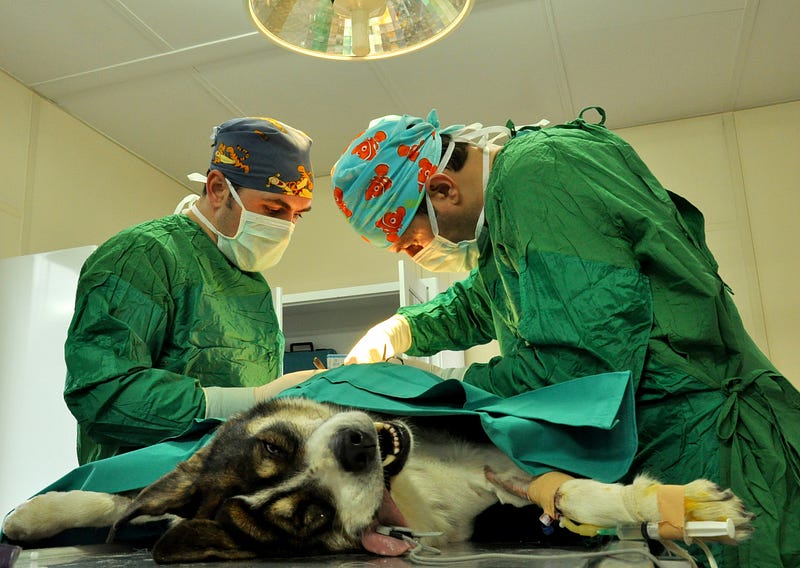
Photo by Turgay Yıldız from Pexels

A few weeks ago, I wrote an article about the things I wish I knew before becoming a veterinarian. Then I realized there are also things I wish I was taught in veterinary school. Unsurprisingly, I wrote an article about it.

1. Deal with all the feelings

This will vary greatly depending on universities but I had very little training on how to communicate with pet owners. Unfortunately, this is not uncommon. Several studies report a lack of communication skills among graduates. It’s a mistake because the most important thing about being a veterinarian is knowing how to communicate with pet owners.

2. Deal with your mistakes

Spoiler alert: You will make many mistakes. According to a study, 78% of new graduates reported making at least one mistake. It’s not uncommon for vets to work with little to no supervision, even if they’ve just finished veterinary school. Obviously, mistakes will happen.

How are we supposed to deal with them? Do we tell the owner that we made a mistake or not? And if the owner writes on social media about our mistake and tries to ruin our career. How do we deal with that?

3. Deal with somebody else’s mistakes

It’s also complicated when a pet owner comes to you unhappy with the treatment he received at a previous clinic. You might realize the diagnosis made by the previous vet was wrong. Well, wrong or not, he’s still your colleague, and maintaining good relationships is important. But having a good relationship with your client (aka the pet owner) is important as well.

Also, we could be the ones making a mistake next time and we have to think about how we’d want another veterinarian to deal with that. Honestly, who would have thought veterinary medicine could be so complicated?

4. Ask for help or help a colleague

I’ve written about the fact that burnout has become quite common in the veterinary career in the last few years. I think it would be invaluable to teach veterinary students what the signs and stages of burnout are. Helping them recognize these signs in themselves and others could help a lot of people.

5. Help people deal with death

I think it’s safe to assume everybody cried when Marley died on «Marley and me» right? I mean, I’m not sure I’ve fully recovered from that movie yet. But when it’s your Marley it’s much worse.

Anyone who loves their pets knows that thinking about them dying is awful. But death is an unavoidable part of life. And when that moment comes, it often happens at the veterinary clinic. And who is there to help their owners deal with all the Marley’s that die? Yes, the veterinarian. I don’t think anything that can be taught in vet school fully prepares you to deal with that. But there’s definitively a shortage of talking about euthanasia, death, and grief.

6. Solve ethical dilemmas

Ethical dilemmas are part of a veterinarian’s everyday life. A study (queen of studies over here) found that 57% of vets in the UK dealt with 1 or 2 ethical dilemmas a week while 34% dealt with 3 to 5. Here are some pretty common ones:

  • An owner comes in with a very sick pet but says he has no money for treatment;
  • An owner comes in and says he wants you to euthanize his perfectly healthy animal;
  • A pet is terminally ill, there’s absolutely nothing you can do to improve his quality of life and he’s suffering. The owner doesn’t even want to hear you mention the word euthanasia.

You get better at dealing with this with practice, and talking about it to other veterinarians helps. But it would be valuable to finish school with some notions on how to handle the most common dilemmas.

I’ll easily come up with more topics I wish were taught in veterinary school but, to me, these are the most important ones. Here’s a summary:

  1. Deal with all the feelings;
  2. Deal with your mistakes;
  3. Deal with somebody else’s mistakes;
  4. Ask for help or help a colleague;
  5. Help people deal with death;
  6. Solve ethical dilemmas.

Previous article:

If you’d like to read more stories consider subscribing to get notifications on new articles:

Education
Veterinary
Pets
Mental Health
Ideas
Recommended from ReadMedium