
6 Things Freud Got Right
His Legacy for Understanding the Human Mind
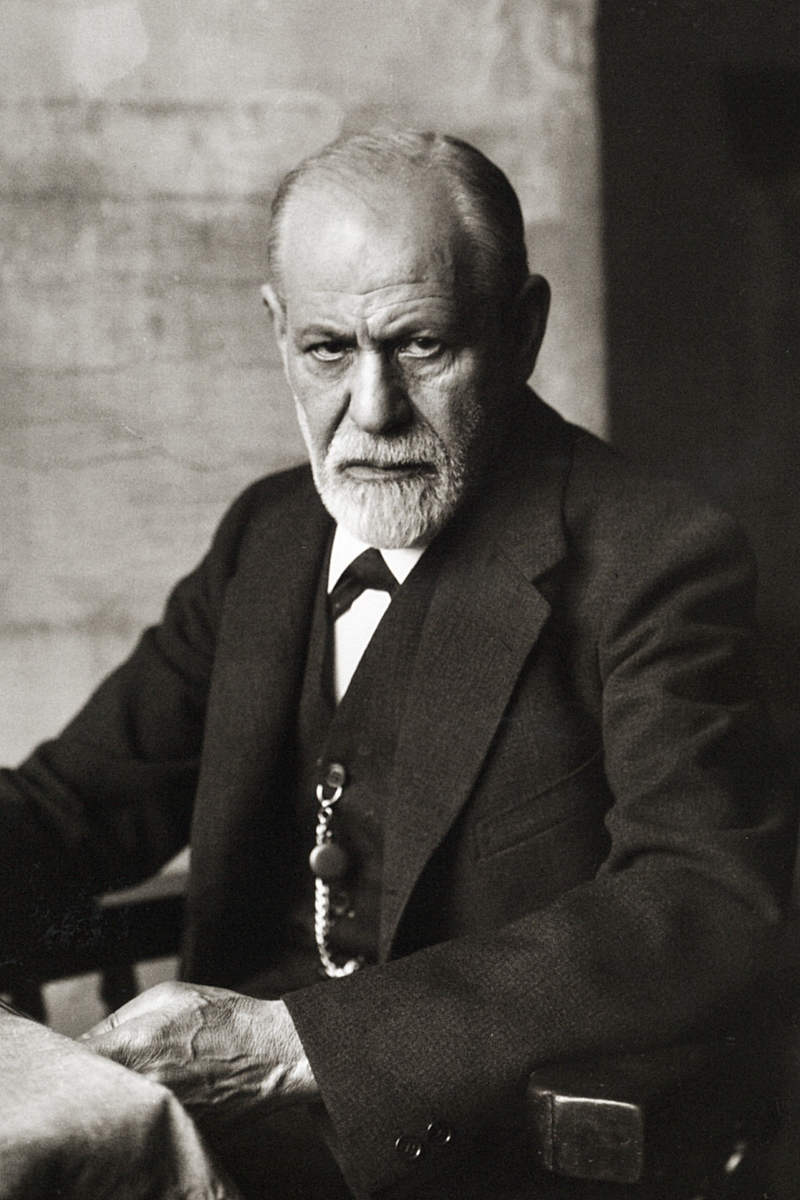
Sigmund Freud, the founder of psychoanalysis, remains one of the most influential figures in the field of psychology, even more than a century after his death. Despite controversies surrounding his theories and methods, there are several key concepts that Freud got right, which continue to be relevant in the modern understanding of human psychology. Here are 6 things that Freud got right:
- The role of unconscious thoughts and feelings: Freud’s concept of the unconscious mind and its influence on conscious thoughts and behavior was revolutionary at the time and remains an important part of modern psychology. He was the first to propose that unconscious desires and conflicts can shape our behavior in ways that we are not aware of.
- The importance of early childhood experiences: Freud believed that early childhood experiences, particularly during the first five years of life, play a critical role in shaping a person’s development and personality. He emphasized the impact of parental relationships and childhood trauma on adult behavior and mental health.
- The power of the psyche: Freud’s theory of the psyche, consisting of the conscious, preconscious, and unconscious mind, remains a foundational part of modern cognitive psychology. He showed how unconscious thoughts, feelings, and desires can impact conscious behavior and emotional experience and how unconscious thoughts and feelings can emerge in dreams, slips of the tongue, and other forms of unconscious communication.
- The importance of the interpretation of dreams: Freud believed that dreams were the “royal road to the unconscious,” providing insight into a person’s unconscious thoughts and feelings. He developed the technique of dream analysis to help patients uncover unconscious conflicts and desires.
- The concept of defense mechanisms: Freud introduced the idea of defense mechanisms, unconscious processes that protect a person from unpleasant emotions such as anxiety and guilt. He proposed that defense mechanisms such as repression, denial, and projection are used to manage unconscious conflicts and maintain a person’s sense of self. The concept of defense mechanisms continues to be widely studied and is considered a critical component of psychoanalytic theory.
- The therapeutic potential of psychoanalysis: Freud’s work on psychoanalysis laid the foundation for modern psychotherapy and demonstrated the effectiveness of talking about one’s problems as a means of resolving them. He showed that the process of self-discovery and the exploration of unconscious thoughts and feelings can lead to personal growth and the resolution of psychological difficulties.
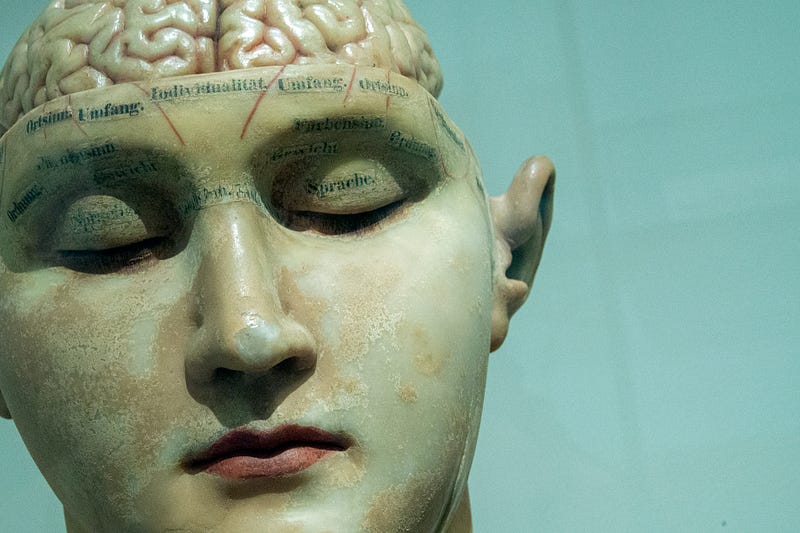
While Freud’s theories and methods have been subject to criticism and revision, his contributions to the field of psychology continue to be highly influential. The concepts and techniques he developed remain central to modern understanding of the human mind and behavior.