
6 Surprising Autistic Traits That Are Easily Mistaken For Flirting
We’re not all ‘playing hard to get!’
This week, I learnt a harrowing statistic that up to 9 out of every 10 autistic women have experienced some form of sexual violence. Unfortunately, I am one of them, and I believe that as an autistic woman, I am considerably more vulnerable than someone who isn’t autistic. One of the reasons for this is that my autism makes me more gullible. I take people at face value, and I always see the best in everyone, which often means being unable to recognise red flags.
I wasn’t diagnosed with autism until the age of 27, and so a lot of my autistic traits were seen as ‘quirky’ or ‘edgy’, and guys would fall for my ‘manic pixie’ look and personality. Although I never thought of myself as a ‘manic pixie’ because I’m Indian, I see now that as a young adult, that’s exactly what I was. I would wear red and aqua jeans with fluorescent tops and dye my hair bright red, blue and purple. I wasn’t like other girls; I was unapologetically expressive. Although ‘pretty privilege’ played a huge factor, many of my behaviours and traits were mistaken for flirting, which meant that people who I regarded as friends ended up liking me or completely falling in love with me, and I had no idea.
Here are six of my autistic traits that have been mistaken for flirting:
1. Twirling my hair
I often twirl my hair as it is a form of stimming and helps me regulate my attention and emotions when speaking to others. I would do this without realising, and this would often allude to some, that I was flirting and showing signs that I was into them. I wasn’t; I was stimming, and it wasn’t until later that I learnt this is a form of body language that tells others that you’re into them.
2. Becoming over-excited when discovering a shared interest
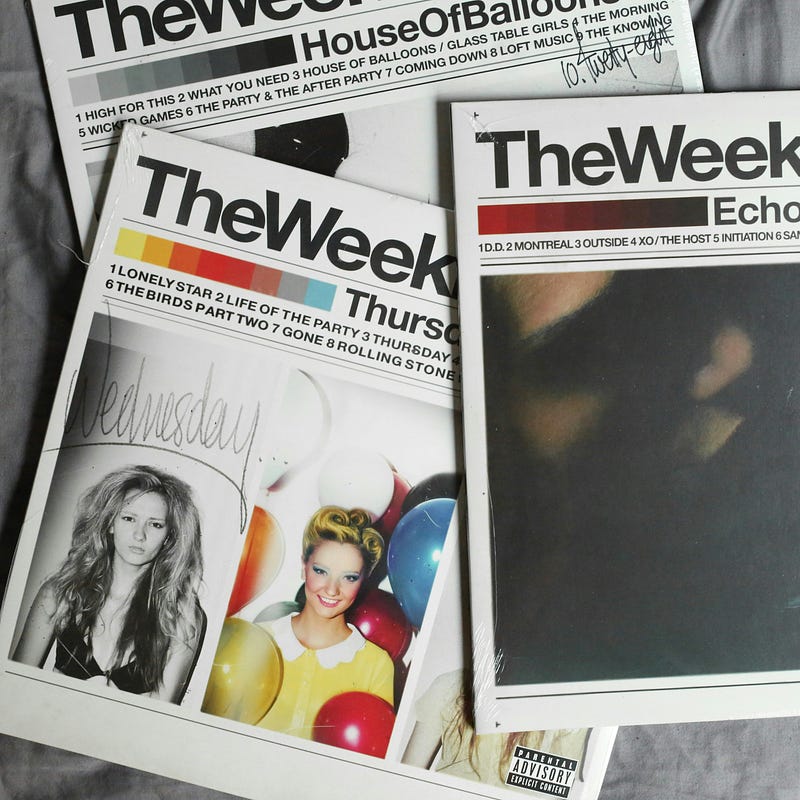
Whenever I speak to others, and it comes up that we have a shared interest, particularly one that is a special interest for me, I become over-excited and super enthusiastic. For example, one of my special interests was the singer ‘The Weeknd’ around 14 years ago, when he wasn’t a mainstream artist. I met a guy in class who loved his music, which was super rare in 2011, and I became so excited and kept speaking to him because of it. He mistook this as interest in him (romantically), and I just wanted to talk about my special interest!
3. Little eye-contact/ intense eye-contact
Autism is a spectrum disorder, and so, whilst some of us struggle with eye contact, others may be able to portray intense eye contact, particularly when masking. When I met with guys and didn’t make eye contact, they would enjoy this and say that ‘you’re playing hard to get’ and that they ’enjoy the chase’, but really, I just felt uncomfortable making eye contact, and I wasn’t playing hard to get-I’m autistic.
On the other hand, if I liked someone as a friend or were interested in saying, I would make intense eye contact so that I could pay attention to them. This flattered them, and they thought this meant that I wanted to kiss them or that I romantically liked them. I have had many awkward moments where a guy leans in to kiss me, and he tells me that he thought I wanted to because ‘I was looking at him that way’. Either way, growing up as an autistic woman with guys who mistook every step I took as flirting was exhausting.
4. Not recognising that someone likes us
Even if it is painfully apparent and everyone around me knows that a guy likes me, I won’t. I won’t recognise that someone likes me until they spell it out, and even then, I have trouble believing them and end up laughing it off. I remember my guy friends would say things like, ‘You never know one day we could end up married, haha,’ or ‘You never know one day someone could find us in a room together,’ and although these statements would make me feel weird, I couldn’t recognise quick enough as to why.
I couldn’t realise that this was a way that someone told me they fancied me or were attracted to me. Back when I was 17, my guy best friend told me he was in love with me, and I said of course I love you too! He clarified and had to tell me he doesn’t just love me as a friend; he loves me much more than that. I still laughed it off because I felt bad for not realising it and because I didn’t feel the same way.
Autistic people can struggle with alexithymia and can also struggle to understand and read communication cues, which can make it difficult for us to realise when someone likes us. And so, when I was younger, and I didn’t pick up the signs with the guys I used to speak to and instead laughed it off, those people misunderstood and thought I was flirting back with them. I wasn’t; I didn’t understand because I am autistic.
5. Masking to become the version of you that works for them
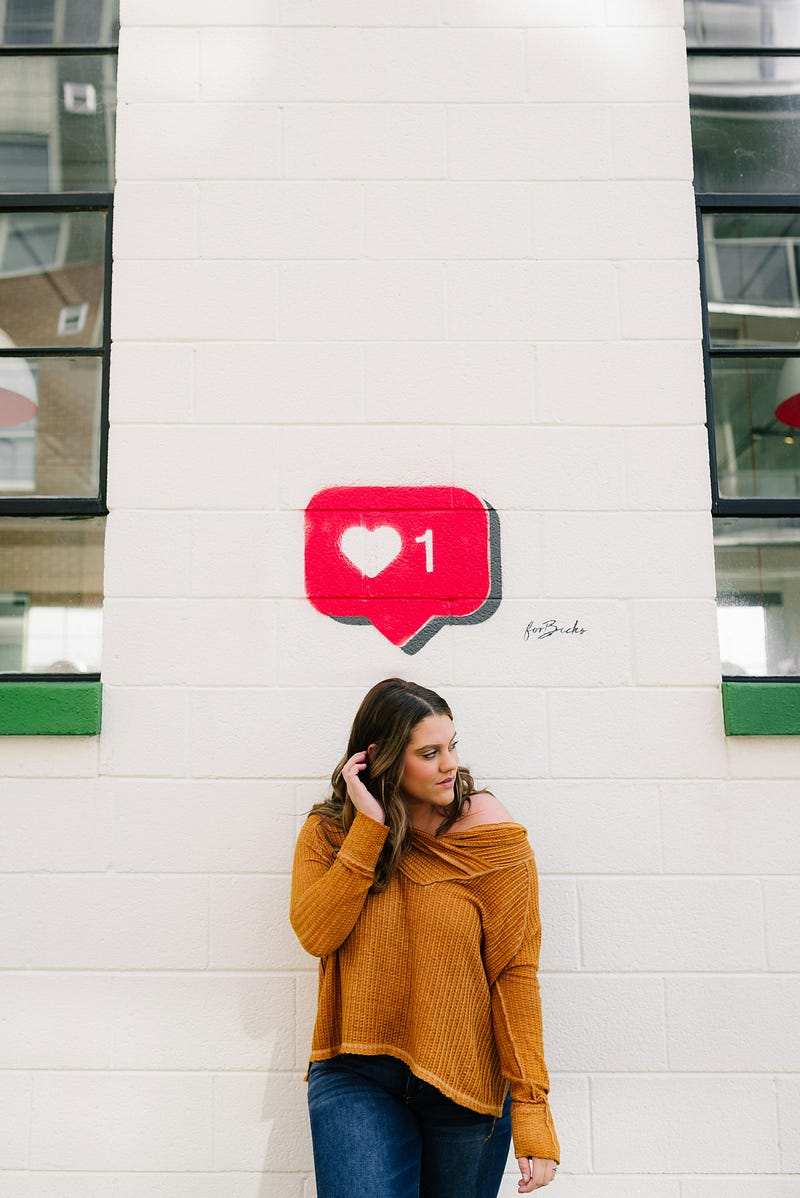
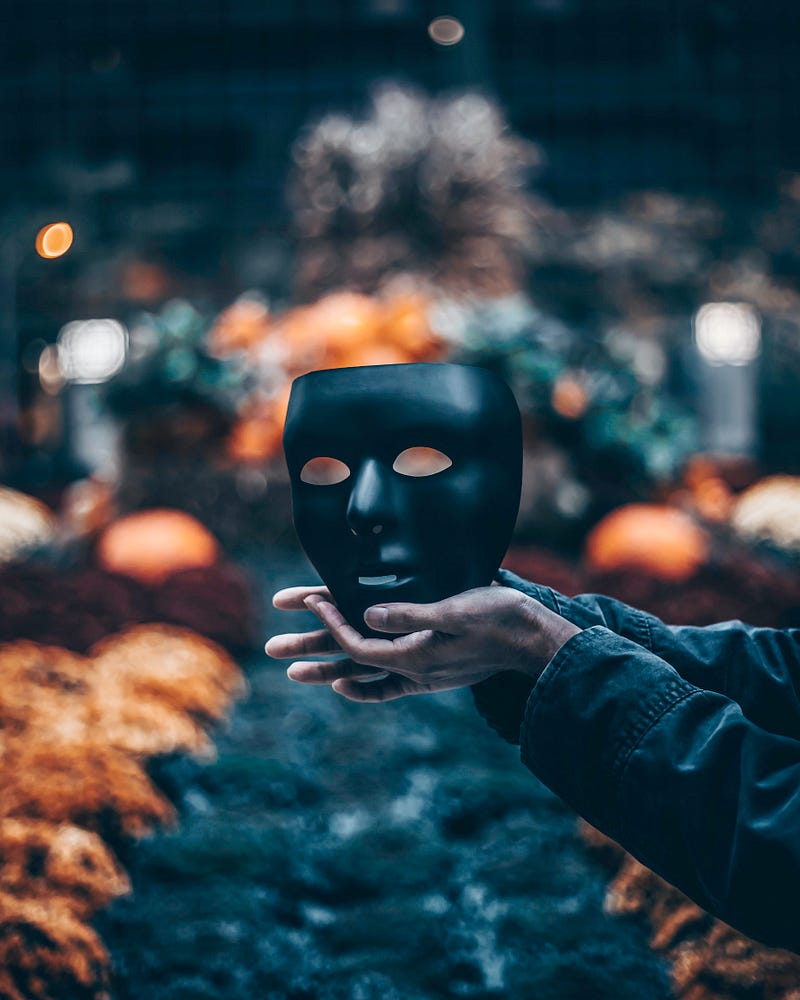
As a high-masking autistic woman, I have always masked intensively when speaking to the opposite gender because I so sincerely wanted to be liked and accepted. I would observe their behaviour and their mannerisms and figure out their likes and dislikes. I could quickly evaluate all of this and become the version of myself that they wanted or needed. I was like a chameleon, able to change my spots at any given time, depending on who I spoke to. And so, at some point, every guy that I befriended ended up having feelings for me, and the only guy friend that remained platonic was someone who was also autistic. I didn’t want them to fall in love with me; I just wanted to be their friend.
6. Not being able to say no
Research suggests that autistic people can struggle to set boundaries, and this showed up for me when I was younger.
Many times, people would ask me on dates or ask me to sneak out as a teenager, and I just never knew how to say no. I always felt like an outcast growing up, so whenever someone did want to see me, I would either jump at the opportunity or I would struggle to say no. As an undiagnosed autistic teenager in a dysfunctional family, I felt so alone, and so I said yes to things that I didn’t even want to do.
There were so many times when I wanted to say no but just couldn’t. I didn‘t know how to say no without offending others, and I was a chronic people pleaser’ and didn’t realise how much the word ‘no’ could protect me.
This often meant that I put myself in vulnerable or dangerous situations, and looking back, I regret that I didn’t say no when I didn’t want to do something.
I hope you found this helpful. Is there anything you’d add? Please comment if you found this insightful or enjoyed reading it, as Medium writers are now paid for engagement, including comments, claps, and highlights!
If you found my content relatable and insightful, please do all three. I love reading your comments; it keeps me going!
I frequently write about the Neurodivergent experience and writing on Medium, so follow me for more content and subscribe to be the first to know about my upcoming book! Thank you for all of your support!
Follow my socials; I recently started making daily TikTok videos and would love your support! Leave me a comment, and let me know if you came from Medium.


