
6 Species You Won’t Believe That Were Discovered In 2023
Earth’s Hidden Surprises
Some concerning news about the decline of Earth’s biodiversity, there is hope in the form of remarkable discoveries. In 2023, biologists across the globe explored various fascinating species previously unknown to science. From the ocean’s depths to the remote rainforests and even within bustling urban areas, these newfound organisms continue to surprise and captivate us.
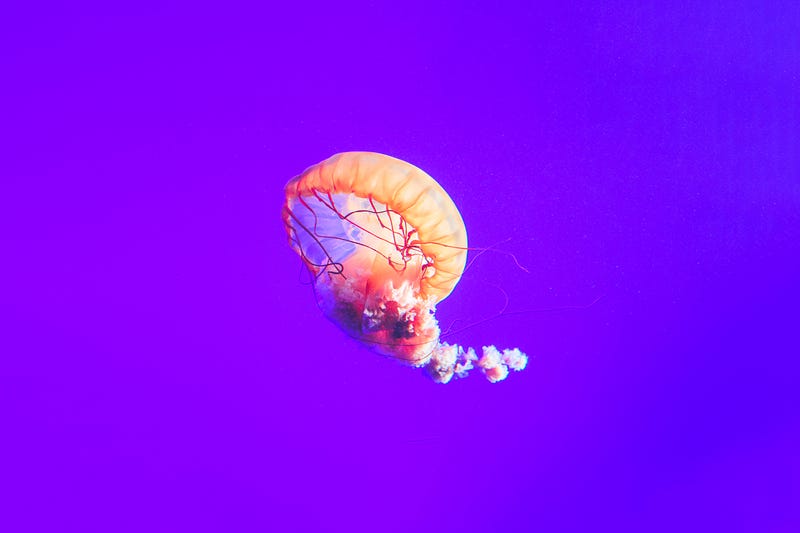
Deep-Sea Comb Jelly
The Deep-Sea Comb Jelly (Bathocyroe fosteri) is a mesmerizing marine creature discovered during a groundbreaking deep-sea exploration mission in the Mariana Trench.
Known for its incredible bioluminescent display, this gelatinous comb jelly showcases an array of iridescent patterns on its body, illuminating the pitch-black abyss it calls home.
With its unique adaptations to the extreme conditions of the abyssal deep sea, living at depths ranging from 9,842 to 22,325 feet below the surface, the Deep-Sea Comb Jelly represents a remarkable example of the incredible biodiversity that thrives in the darkest and most inaccessible corners of our oceans.
Its discovery highlights the importance of further exploration and conservation efforts to understand and protect the delicate ecosystems hidden in our planet’s waters.
The “Ruby-eyed Fly”
The “Ruby-eyed Fly” is a captivating discovery from a remote rainforest in the Amazon Basin. Belonging to the order within the family Rhagionidae, this striking fly species stands out with its mesmerizing bright red compound eyes.
Despite its seemingly diminutive size, the “Ruby-eyed Fly” is important in maintaining ecological balance as a predator of other insects in its habitat. Entomologists were delighted by the find, as it adds to the growing knowledge of the vast insect diversity in the Amazon rainforest.
This discovery serves as a reminder of the importance of preserving these unique and fragile ecosystems, which continue to explore the secrets of Earth’s biodiversity and its intricate interconnections.
Himalayan Orchid
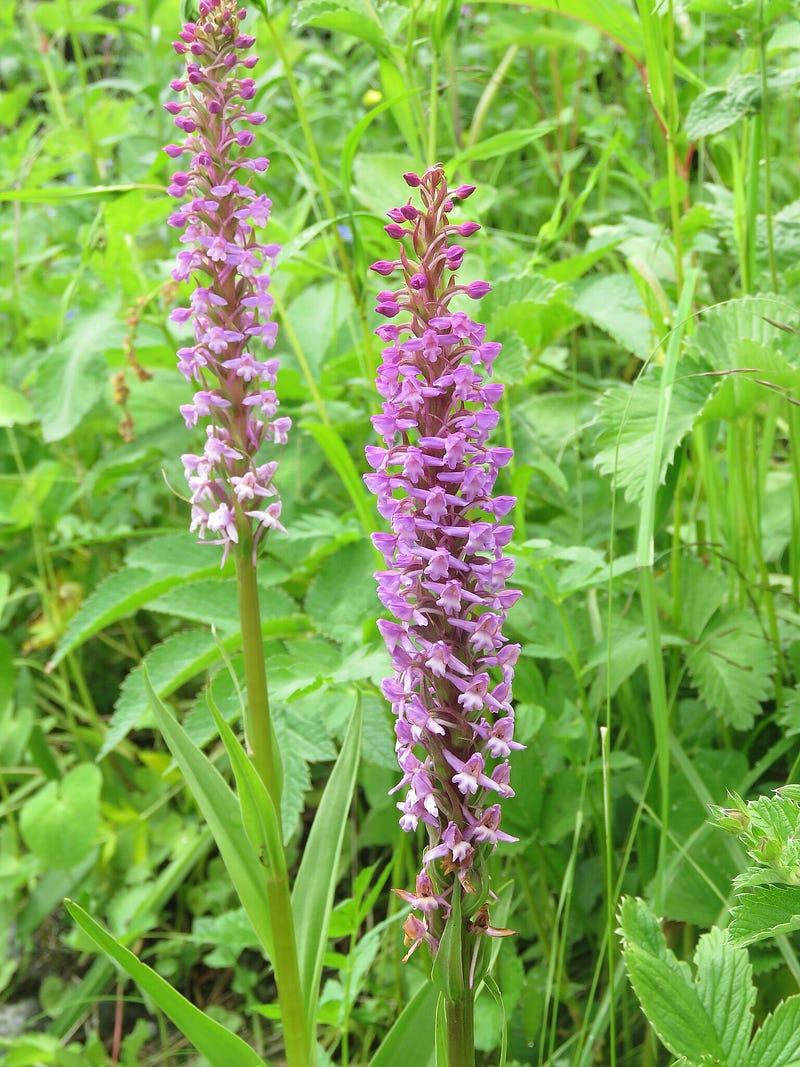
The discovery of the Himalayan Orchid (Gastrodia balakrishnanii) has brought excitement and wonder to botany. Found in the Himalayan region’s dense undergrowth, this new orchid species stands out with its intricate and pale-yellow flowers. Orchids of the Gastrodia genus are known for their natural lifestyle, depending on fungi for their nutrients instead of engaging in photosynthesis.
The Himalayan Orchid’s unique adaptation and stunning appearance have captured the attention of botanists and nature enthusiasts alike. As with many newly discovered species, its conservation status is now a matter of concern, highlighting the urgency of preserving the delicate and biodiverse ecosystems of the Himalayan region. The finding of this exquisite orchid sheds light on the immense biodiversity that still awaits discovery in some of the most remote and unexplored corners of our planet.
The “Ghost Gecko
The “Ghost Gecko” (Eurycotis spectralism) is a remarkable discovery that emerged from the depths of a cave system in Madagascar. This gecko species stands out with its translucent skin, giving it an otherworldly appearance, which earned it the intriguing moniker of “Ghost Gecko.”
Adapted to its dark cave environment, the gecko possesses elongated limbs and large, sensitive eyes, enabling it to navigate in low-light conditions.
This new find has captured the attention of herpetologists and nature enthusiasts, offering a glimpse into the fascinating adaptations of life in the underground world. However, the discovery also raises concerns about the species’ conservation status, as its unique habitat faces threats from various human activities.
Bornean Clawed Frog
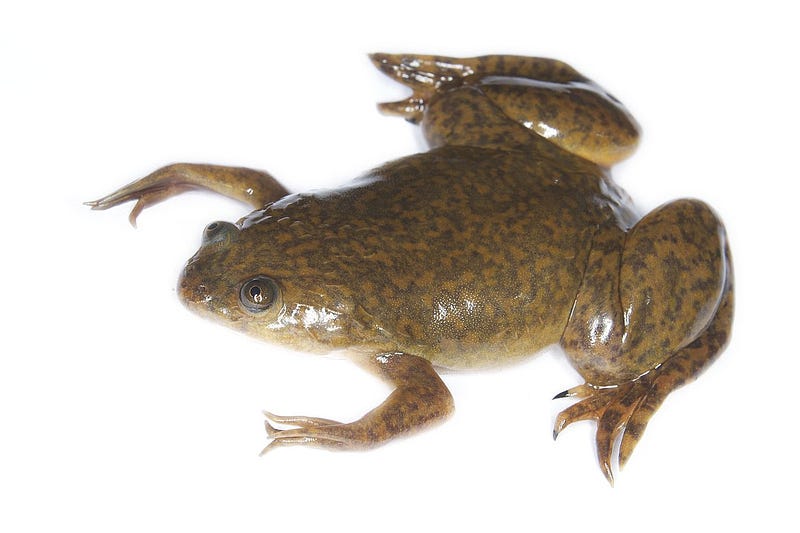
The discovery of the Bornean Clawed Frog (Barbourula kalimantanensis) has brought attention to the fragile state of amphibians in the face of human-driven environmental changes. This new frog species was found in the rainforests of Borneo and stands out with its intriguing adaptations.
Unlike most frogs, the Bornean Clawed Frog lacks external eardrums and vocal sacs, relying on unique methods of communication, such as vibrations and touch-based signals. The frog’s habitat is of utmost importance, as it resides in one of the world’s most biologically diverse regions, which is, unfortunately, facing increasing threats from deforestation and habitat degradation.
The discovery of the Bornean Clawed Frog highlights the urgent need for conservation efforts to protect the unique and often vulnerable amphibian species that play vital roles in maintaining ecological balance within their ecosystems.
The “Glowing Lichen
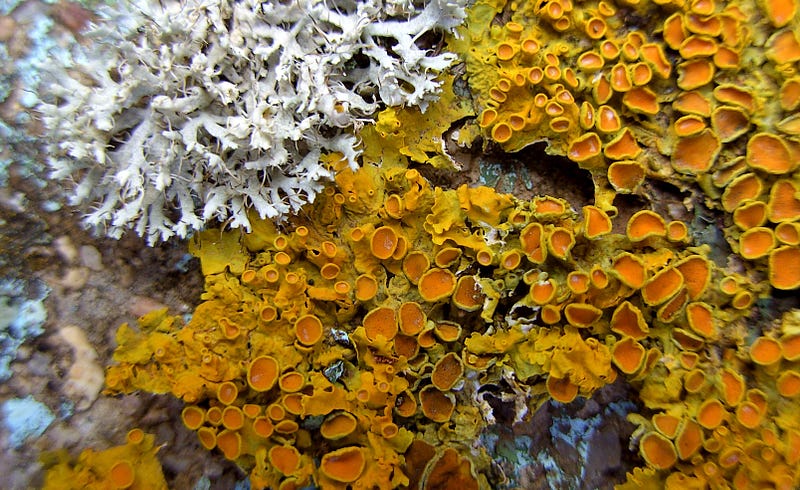
The discovery of the “Glowing Lichen has unveiled a fascinating example of nature’s illuminating wonders. Found in the remote forests of New Zealand, this unique lichen species exhibits mesmerizing bioluminescence, emitting a soft green light that adds an ethereal glow to the forest floor. The “Glowing Lichen” is a testament to the resilience and adaptability of life in even the most obscure corners of our planet.
Lichens are intriguing organisms with a symbiotic relationship between fungi and algae or cyanobacteria. While their bioluminescence has been documented before, this discovery is a captivating reminder of the hidden gems within the natural world that continue to surprise and inspire scientists and nature enthusiasts alike.
The “Glowing Lichen” finding also underscores the importance of preserving the pristine environments of New Zealand’s ancient forests. As these ecosystems face threats from climate change and human activities, protecting these biodiverse habitats becomes increasingly urgent to ensure the survival of these extraordinary species.
Please follow me subscribe to my profile for inspiring and entertaining stories and visit my referral link to get full stories


