
6 Simple Strategies for Becoming Unprejudiced
Here are some tips that you can use to help yourself treat people fairly and avoid double standards.
1. Question your environment
Sometimes I hear people defend someone’s actions by pointing out that they are a product of their environment. While this may be an accurate explanation, it’s not an excuse. Neglecting critical reflection should not be normalized. It can be all too easy to take what you have grown up with for granted and assume that it is the right way of doing things. Questioning it can help you realize its areas for improvement, keeping you humble while working toward a better future.
2. Don’t reduce individuals to a low number of descriptors

Remember that people are complex. Don’t let your entire understanding of a person be limited to a few characteristics — or worse, just one characteristic. If you don’t know someone well, remember that there is a lot about them that you haven’t learned yet, so it’s too early to jump to conclusions about who they are as a person. Some people have done very bad things, but if you define the person by those actions, you will end up forgetting about good things they have done.
3. Don’t describe groups as if they’re individuals
The only exception to this is if you are referring to a requirement of being in a group. Otherwise, you promote prejudice by applying an attribute to an entire group. It’s not even good enough to add that there are some exceptions among the group, as you already manufactured an association between the group and a concept. Negatively depicting a group fosters prejudice against them, but positively depicting a group runs the risk of double standards in the group’s favour.
4. Always try to help people, no matter who they are
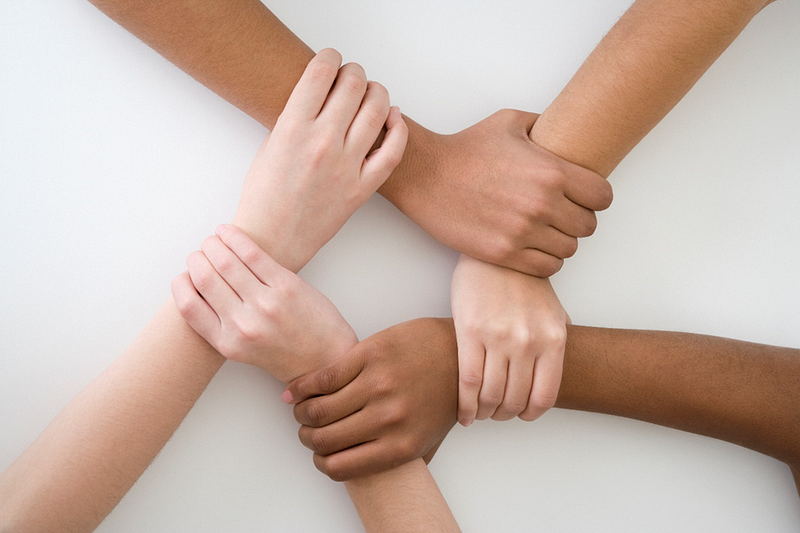
Obviously, don’t do anything to let yourself get manipulated, but helping people improve is very important. It will allow you to realize that everybody has challenges and that we are all just trying to get by. It’s awful how poorly some people treat abusers, for example. Imagine where society could be if they helped the abuser realize that they are not worthless and decided to help them get over their problems instead of harassing them. Abuser or not, if you do a good job at helping someone, they will appreciate that, which may result in building positive social bonds with them.
5. If you respect others, they will act more respectable to you
It’s that simple.
6. Don’t call out people as hypocrites
You know, not everybody someone will say will be 100% consistent. They may forget other things they said, they may change their mind, or they may struggle to be as motivated as much as they once were. It makes more sense to gently mention the thing that is making the person’s words seem a bit “off,” and ask for some sort of clarification.
UPDATE TWO MONTHS LATER: Just wanted to mention that I noticed this story does not match the egalitarian tone that my blog is meant to express. This was written shortly after I created my blog, back when I didn’t have as clear of a plan for the topics it was supposed to cover. I promise I will try to do better from now on.


