
6 Secrets Kids Don’t Tell To Their Parents
Parents look into these
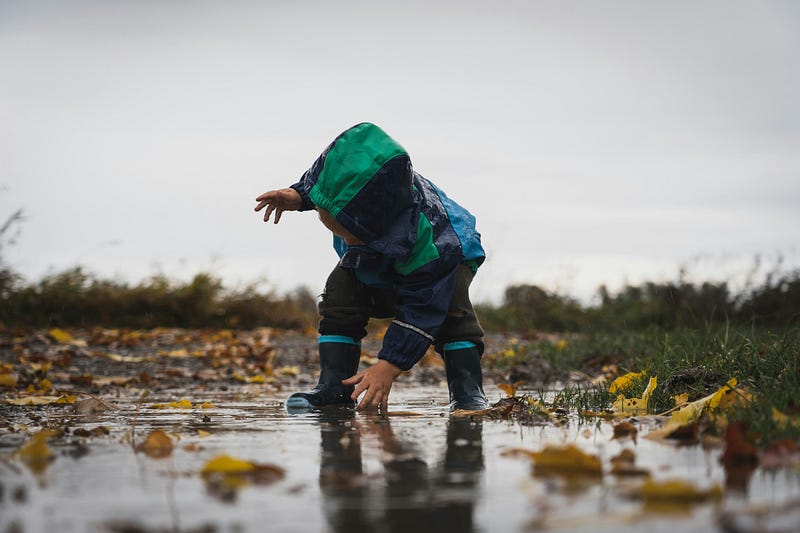
Parenting is a remarkable journey filled with love, laughter, and challenges. As children grow, their world expands, and they encounter various experiences and emotions. Despite the close bond parents strive to maintain, there are certain secrets that young kids may keep hidden from their caregivers.
Imaginary Friends

Imaginary friends are a fascinating and common phenomenon among young children. These imaginative companions play a crucial role in a child’s world, often serving as confidants, playmates, or even sources of comfort. Children create these fictional characters to navigate their rapidly expanding imaginations and explore their emotions. However, they might not readily disclose the existence or details of their imaginary friends to their parents. Children may fear that their parents won’t understand or might dismiss their companions as mere fantasies.
In reality, imaginary friends are a normal part of a child’s development and should be embraced as a healthy aspect of their creative growth. Encouraging conversations about these imaginative relationships can give parents valuable insights into their child’s emotional well-being and help them forge a deeper connection with their little ones. By acknowledging and supporting the presence of imaginary friends, parents can foster an environment of acceptance and nurture their child’s imaginative spirit.
Hidden Fears

Hidden fears can be a significant aspect of a child’s emotional landscape, shrouded in secrecy for various reasons. Young kids may experience fear of the dark, monsters, or other phobias that they keep hidden from their parents. These fears often stem from their vivid imagination and difficulty distinguishing reality from fantasy.
Children might worry that sharing their fears will lead to ridicule or dismissal, making them hesitant to open up about their anxieties. As parents, it’s crucial to create a safe and non-judgmental space where children feel comfortable expressing their fears. By actively listening and offering reassurance, parents can help their kids confront and overcome these hidden fears, providing a sense of security and teaching valuable coping skills that will serve them well in their lives.
Bullying

Bullying is a distressing reality that some young children may face in various social settings, such as school or neighborhood. However, due to fear or feelings of shame, children often keep the experience of being bullied hidden from their parents. They might worry that disclosing such incidents could lead to negative consequences, exacerbate the situation, or cause their parents unnecessary stress. Parents must be vigilant about any signs of bullying and create an open and supportive environment where children feel safe discussing their concerns.
By fostering open communication, parents can encourage their kids to confide in them about instances of bullying, allowing them to take appropriate actions, provide emotional support, and work towards resolving the issue together. Addressing bullying promptly helps protect children from emotional harm and reinforces their trust in their parents as reliable allies in times of difficulty.
Disliking a Friend

Children, like adults, have unique preferences and personalities extending to their friendships. While it is natural for kids to form bonds with others, there might be instances where a child does not particularly enjoy the company of a certain friend. However, they may keep this sentiment hidden because of fear of hurting their parents’ feelings or being judged for their social choices. As parents, it’s essential to create an open and non-judgmental atmosphere where children feel comfortable sharing their feelings.
Encouraging open communication allows kids to express their emotions honestly, including their preferences regarding friends. By understanding and respecting their child’s perspective, parents can support them in navigating the complexities of relationships and social dynamics. Emphasizing the importance of kindness and empathy while respecting individual differences can help children make informed decisions about their friendships while maintaining a healthy parent-child bond built on trust and understanding.
Embarrassing Moments

Embarrassing moments are a common part of growing up and learning about oneself and the world. Young kids may experience situations that make them uncomfortable or self-conscious, such as bathroom accidents, mispronouncing words, or tripping in public. However, due to feelings of shame or humiliation, children often choose to keep these moments hidden from their parents. They might fear being teased or judged if they were to share such experiences.
Parents must make a safe and supportive environment where children feel secure enough to open up about their embarrassing moments.
Offering reassurance and normalizing these occurrences as part of life can help kids build resilience and develop a healthy self-image. By responding with empathy and understanding, parents can foster an atmosphere where children feel comfortable discussing their embarrassing moments, allowing them to grow and learn from these experiences without unnecessary stress or shame.
Crushes

Crushes are a natural and innocent part of a child’s development as they begin to explore their feelings and emotions. It is not uncommon for young kids to develop affectionate feelings for a classmate, friend, or even a fictional character. However, due to uncertainty or fear of potential reactions, children often hide these crushes from their parents. They might worry that sharing such emotions could lead to embarrassment or teasing.
As parents, it is essential to create an open and non-judgmental environment where children feel safe discussing their feelings. By being approachable and understanding, parents can encourage their kids to confide in them about their crushes, offering guidance on navigating these emotions and setting appropriate boundaries.
Open communication strengthens the parent-child bond, helps children develop healthy emotional intelligence, and builds trust in discussing more complex topics as they grow older.