
6 Questions Before Starting a Freelancing Career
Is freelancing for you? Let’s find out.

Between lingering effects of the pandemic, inevitable changes in the workplace, and improvements in technology and telecommunications, more and more people are leaving traditional workplaces in favor of freelance work.
And why not? It’s a sweet deal — at least I think so. I’ve been doing it for over two decades.
But it’s not without its challenges.
Before you quit your day job and go freelance, consider these six questions:
Do you dream of a more flexible schedule?
Unless you’re working with clients who require you to be available during “standard business hours,” you generally get to pick your own hours and how long you work for a stretch. You also get to decide where you’ll work and — for the most part — which projects at any given time.
Some freelancers are night owls and do the bulk of their work while their clients sleep. Others maintain strict 9-to-5 hours. The thing is, it’s your choice.
Of course, you have to take the client into consideration. Freelancing isn’t a free-for-all. If you want to build a solid client base and be profitable, you’ll have to meet your clients’ needs. That could mean working some weekends to meet a deadline. Or even pulling some all-nighters when you’d rather not.
But overall, freelancers have a lot more control over their scheduling than conventional employees.
Can you develop self-motivation and self-discipline?
When they start out, many freelancers jump into their work eagerly and with great energy. And why not? It’s a heady time.
But after a couple of weeks, it starts to feel like a bit of a slog. Suddenly the prospect of sitting down and doing your freelance work — be it writing, design, marketing, programming, etc. — seems too much like a chore.
It’s not quite as much fun as it was a couple of weeks ago.
Too bad.

Freelancing is a job much like any other job in that you’re exchanging your time and skills for money. If you’ve got bills like the rest of us do, you’ll need that money sooner or later, and you won’t get it until you get your butt in your chair and get some freelance assignments done.
There’s your motivation. As for self-discipline, that comes with practice. Once you realize you are your own boss, you’ll start to get more tough on yourself and recognize that successful freelancing means sustaining a sense of momentum.
If you can manage those two things, then full steam ahead.
Can you manage your time?
Deadlines can’t be missed.
It’s surprisingly easy to over-promise clients and get overbooked. And that can put you behind schedule. Getting behind schedule means missing deadlines. Missing deadlines means upset clients and less work coming in.
While it may be tricky at first, try to figure out how long a specific task or job will take you — padding in some time for the unforeseen — and schedule your work accordingly.
I understand all too well how there is a fear of turning down work.
Let me tell you this:
So long as you maintain a reputation for good, timely work, you will always find work coming in. But nothing will kill your freelance business more certainly than getting a reputation for missed deadlines or poor, rushed work.
Pace yourself, and make time management a priority skill to master.
How would you deal with a client from hell?
It’s going to happen.
There will be some clients who can only be described as “clients from hell.” Any freelancer who’s been doing this for a while has a few war stories.
My advice is when you have a client who makes unreasonable demands, doesn’t respect boundaries, or is simply unpleasant, remember that you don’t work for them.

Yes, you’re providing a service in exchange for money, but you are your own boss. You can fire a client. While there is the possibility of blowback in the case of a bad review left someplace, you should be fine so long as you continue to provide the best service you can with clients who respect you and your work.
You do not have to accept abuse from anyone–least of all, one of your clients.
Can you be a good communicator?
Conventional businesses rely on having good communication with customers and vendors. It’s much the same in the freelance world.
Don’t ghost your clients or make them wait too long for a phone or email reply to questions or requests for quotes. And if an issue arises in the job you’re working on, let the client know immediately so you can work it out with them.
Good communication makes clients feel more confident in you and that their projects are in dependable hands.
And along these lines, make sure your communication is professional. Don’t litter your emails with errors, confusing abbreviations, or, god help you, messages in ALL CAPS. And when speaking on the phone, speak clearly and professionally.
It makes a difference.
Are you ready to handle your own accounting?
Taxes. Billing. Contracts. Banking. Inventory.
There is going to be paperwork involved with your freelance career. There is no getting away from it.
You’re going to have to keep track of invoices and payments going in and out. And you’ll have to deal with taxes, insurance, and more.
The good news is that you can usually learn this as you go. You can find books and websites that outline some of the specifics to help you out.
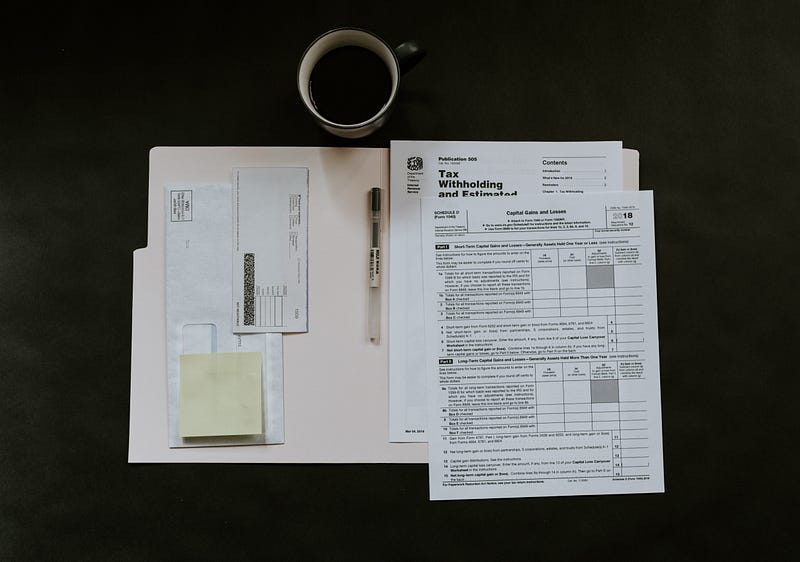
That said, the minutiae in running your own business are going to feel like a chore. But it’s a necessary chore. As your business grows, you may be able to outsource some of this work to an accountant or assistant, but when starting out, you have to be prepared for the less glamorous aspect of the freelance lifestyle — the dreaded paperwork.
Good luck.
Freelancing is a terrific career path, but it’s not for everyone.
And that’s fine.
I started freelancing in the late 90s and went full-time in 2002. At that time, I was willing to trade stability for freedom, days off for an almost constant hustle, and a long, tedious commute for being able to work in my spare room.
I stumbled along the way, but I was also a bit lucky. The first few years were tough, but they got better.
I’ve had friends try going freelance who discovered they hated it. That was no failure on their part. Just the opposite, in fact. They learned what work scenario suited them best. They went back to offices and plants. I stayed in my little home office.
They go on their paid vacations and send me postcards. I text them pictures of me working from my back porch.
Freelance life can be sweet, but it can also be challenging. It may seem like the solution to whatever dissatisfaction or issues you’re experiencing at your traditional job, but you might be trading old problems for new ones.
I encourage giving freelancing a try.
But if it’s not working out for you, that’s okay, too.
At least, now you know.
If you do decide to go freelance, I wish you the very best of luck and support.
Cheers!
About John Teehan
John lives in Rhode Island with his wife, son, and dog. He specializes in tech, health, business, parenting, pop culture, and gaming. Visit wordsbyjohn.net for more info and rates. Twitter: @WordsByJohn2