6 Important Attributes for a Coaching Culture in the Workplace
Mentorship enhances our ability to evolve and achieve results

A coaching culture is an appealing ingredient that forms part of an organization’s broader culture. An ingredient that’s part of the recipe to enhance and inform an organization.
In fact, “Business coaching has gone from fad to fundamental. Leaders and organizations have come to understand how valuable it can be, and they’re adding “the ability to coach and develop others” to the ever-growing list of skills they require in all their managers.”(Forbes, 2010)
A coaching culture improves one's ability to evolve and achieve results.
A coaching culture is evident by the values and behaviors displayed by leaders, managers, and followers — It exists at all levels.
A coaching culture is underpinned by internal capabilities.
Promoting coaching behaviors at every interaction is an intent, geared towards developing coaching skills in senior executives, leaders, and managers.
For a business to adopt a coaching culture, the organization must establish processes and incentivize buy-in companywide.
The coaching culture model
A coaching model helps organizations and individuals to identify their current state in order to build a sustainable coaching culture.
Likewise, a coaching culture defines the desired level of alignment with respect to the company’s mission, vision, values, and goals — Strategy.
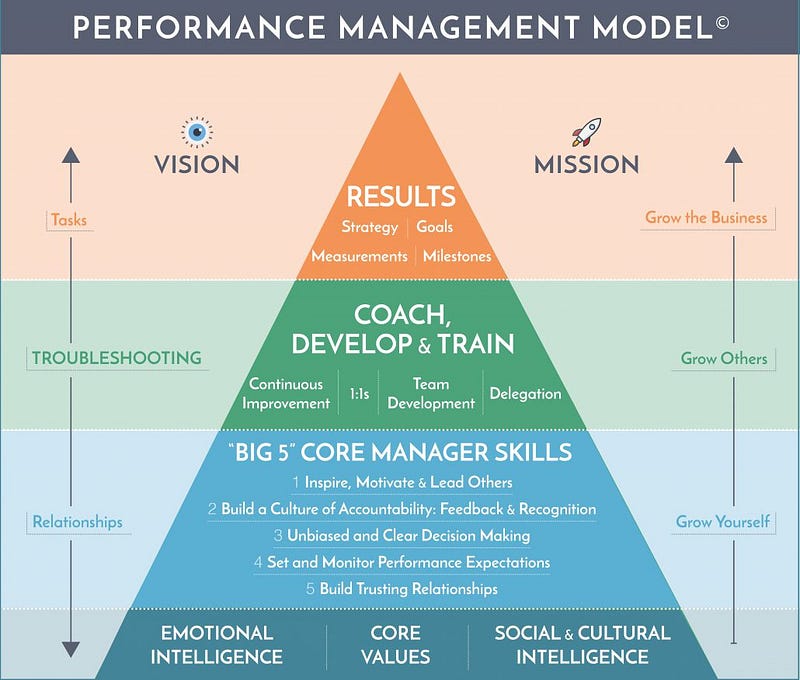
For a business to cultivate a coaching culture, a committed intent is necessary to weave coaching into the fabric of the business.
Coaching aligns the actions and mindsets of employees with that of leaders and the business objectives.
Guidance and gratitude
A coaching model can help organizations and their employees to gain clarity. Direction. It maps out what’s required to progress. Step up to the next level.
“Building a coaching culture in the workplace better positions companies to grow and nurture talent.” (Forbes, 2016)
This can be achieved through appreciation. Celebrating the traits, skills, behaviors, and awareness that have been developed and integrated to date. In addition to recognizing and rewarding group and individual progress.
The individual level of a coaching maturity model can foster self-awareness, assisting individuals to identify where they are, and where they want to go.
A coaching model provides guidance — actions to take in order to achieve the desired progress.
Final thoughts
Below are some of the attributes, key elements even, that help to foster a coaching culture in an organization:
- Values — The level of engagement and ownership of core values communicated and practiced at all levels in the organization.
- Organizational focus — Embedding coaching principles in an organizations’ culture through daily interactions.
- Outcome focus — Clearly defined benefits of the collective social responsibility of an organization with respect to commercial and operational effectiveness.
- System integration — Enhances the value, metrics, and transparency of coaching by embedding processes, structures, and systems in a companies' performance infrastructure.
- Coaching skills — The level of investment in training and importance that’s given to the development of coaching skills. Those who can avail of it, and how it functions in practice across the business.
- Scope and commitment — The level to which coaching support is available, offered, promoted, and practiced across all verticals in an organization.
On the job mentorship and coaching is becoming the norm for leadership today. An attractive trait in modern leaders. A pre-requisite even. A function of leadership.
“Articulation focus can help team members see their blind spots, understand their weaknesses, and turn them into strengths.” — Dr Mehmet Yildiz
That said, if coaching is not part of business culture, progress can be impaired.
Coaching is therefore a choice — So choose wisely!
References
- Forbes. 2016. Council Post: 13 Ways Leaders Can Build A ‘Coaching Culture’ At Work. [online] Available at: https://www.forbes.com [Accessed 19 March 2020].
- Forbes.com. 2010. [online] Available at: https://www.forbes.com [Accessed 19 March 2020].
- Rudolph, S., 2020. Building A Coaching Culture — Steve Rudolph Coaching — Asheville, NC. [online] Steve Rudolph Coaching. Available at: https://steverudolphcoaching.com [Accessed 20 March 2020].