
6 Evil Facts About Pablo Escobar That Didn’t Tell In Narcos
6 Sinister Facts about Pablo Escobar
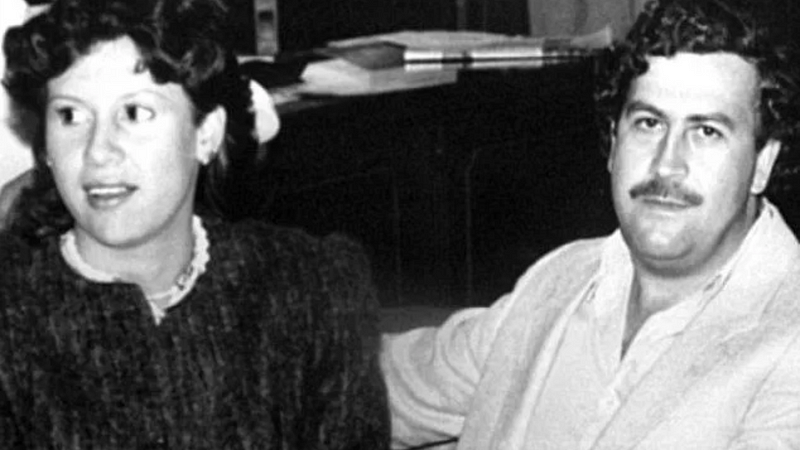
Pablo Escobar, the Colombian drug lord, continues to be a subject of fascination, embodying the depths of human depravity. While the Netflix series “Narcos” provided a glimpse into his criminal activities, several sinister aspects of his life have remained shrouded in darkness.
Ruthless Early Beginnings:
Escobar’s ruthless early beginnings can be traced back to his childhood in the impoverished neighborhoods of Medellín, Colombia. Surrounded by poverty, violence, and lawlessness, Escobar quickly learned that survival often required a relentless mindset.
This environment served as the breeding ground for his ruthless nature, shaping his worldview and instilling a willingness to do whatever it took to rise above his circumstances.
Escobar’s exposure to the harsh realities of life from an early age laid the foundation for his later criminal endeavors, where he would stop at nothing to achieve power, wealth, and dominance.
Reign of Terror
Escobar’s reign of terror is a chilling testament to his unbridled ruthlessness. As he ascended the ranks of the drug trade, he employed a range of brutal tactics to solidify his power and eliminate anyone who dared to challenge him.
Rival drug traffickers, law enforcement officials, politicians, and even innocent civilians were not exempt from his wrath. Escobar orchestrated a wave of violence, bombings, kidnappings, and assassinations, creating an atmosphere of fear and chaos that permeated Colombian society.
The sheer brutality of his actions served as a warning to anyone who dared to cross him, solidifying his position as a force to be reckoned with. Escobar’s reign of terror left a devastating trail of destruction, forever staining Colombia’s history and cementing his status as one of the most ruthless and feared criminals the world has ever known.
Political Corruption

Political corruption was integral to Pablo Escobar’s rise to power and his ability to operate with impunity. He understood the value of manipulating politicians and officials to protect his criminal empire and ensure his safety.
Escobar established an extensive network of corrupted individuals within the Colombian government and law enforcement agencies through bribery, coercion, and intimidation.
These compromised figures gave him valuable information, tipped him off about impending operations, and disregarded his illicit activities. In return, Escobar showered them with enormous sums of money, lavish gifts, and promises of protection.
This intricate web of corruption shielded him from prosecution, allowing him to continue his criminal enterprises and exert influence over the institutions meant to uphold the rule of law.
Escobar’s ability to exploit and manipulate the political system highlighted the depths of corruption within Colombian society. It demonstrated his mastery of power dynamics, solidifying his position as a formidable and untouchable figure in the criminal underworld.
Narco-Terrorism
Narco-terrorism became integral to Pablo Escobar’s criminal strategy as he sought to expand his power and protect his drug empire. Escobar recognized the value of using terrorism to achieve his objectives and instill fear in his adversaries.
He employed various violent tactics, including bombings, kidnappings, and assassinations, to strike at his enemies and send a chilling message to those who dared to oppose him.
Escobar’s narco-terrorism campaign targeted rival drug traffickers, law enforcement officials, and even innocent civilians.
Bombings in public places, such as shopping centers and government buildings, created an atmosphere of terror and chaos, further solidifying his control and deterring potential challengers.
By combining the vast resources of his drug empire with the tactics of terrorism, Escobar expanded his criminal enterprise and exerted influence over the Colombian government and society as a whole. His actions had far-reaching consequences, destabilizing the country and undermining its social fabric.
Innocent Victims

Behind Pablo Escobar’s reign of terror lie countless innocent victims whose lives were tragically destroyed by his evil actions. Escobar’s pursuit of power, wealth, and control showed no regard for the lives of those caught in the crossfire.
Innocent civilians became unintended casualties in the violent confrontations between Escobar’s cartel and rival factions. Whether through bombings, targeted assassinations, or indiscriminate violence, Escobar’s actions resulted in the loss of numerous innocent lives.
Families were torn apart, communities were left traumatized, and the social fabric of Colombia was irreparably damaged.
Moreover, Escobar’s drug empire fueled addiction and violence in countless communities, perpetuating a cycle of suffering and despair. The devastating effects of drug addiction rippled through families, leading to broken relationships, poverty, and the loss of hope.
Legacy Of Chaos
Pablo Escobar’s legacy is one of chaos and enduring consequences that continue to impact Colombia today. His reign of terror and the destabilizing effects of his criminal empire left deep scars on the country’s social, economic, and political landscape.
The violence and corruption associated with the drug trade during Escobar’s era led to societal norms and institutions breakdown. Colombia experienced a wave of kidnappings, assassinations, and bombings that instilled fear and mistrust among its citizens.
The fabric of Colombian society was torn apart as criminal organizations vied for power and control, leaving communities fractured and vulnerable.
The legacy of Escobar’s criminal empire also had severe economic ramifications. Money laundering and illicit drug profits distorted the country’s financial systems, creating a culture of corruption that permeated various sectors.
The resulting loss of public trust hindered Colombia’s development and impeded efforts to build a stable and prosperous society.
Additionally, the violence and instability fueled by the drug trade hindered foreign investment, slowed tourism, and limited economic growth.
Colombia’s international reputation suffered, becoming associated with drug cartels and violence, creating significant challenges for the country’s image and its efforts to rebuild and move forward.
While Colombia has made progress in combating drug trafficking and restoring stability since Escobar’s demise, the effects of his reign of chaos still linger.
Efforts to rebuild trust, strengthen institutions, and create a more inclusive and equitable society continue, as the scars of Escobar’s legacy serve as a reminder of the importance of addressing the basic causes of violence, corruption, and social inequality…
Please follow me subscribe to my profile for inspiring and entertaining stories and visit my referral link to get full stories