
The Oscars is Now a Big Event About the Small Screen
For the first time, every Best Picture nominee can be streamed before the Academy Awards show
It took careful planning, but I did it. In 2009, on the eve of the 2008 Oscars telecast, I started the afternoon watching Slum Dog Millionaire in one theater and finished the night watching The Wrestler in another a town or two away.
My goal was simple, complete my 2008 Oscars watch list in time for the awards event. This kind of devotion wasn’t unusual for me, I treated the awards evening like others approach Super Bowl Sunday. This was my day and I wanted to make informed Oscars ballot decisions.
Stumbling out of the second theater and into the brisk February air, I remember being dizzy from the silver screen triumph.
The next day, I watched the Oscars.
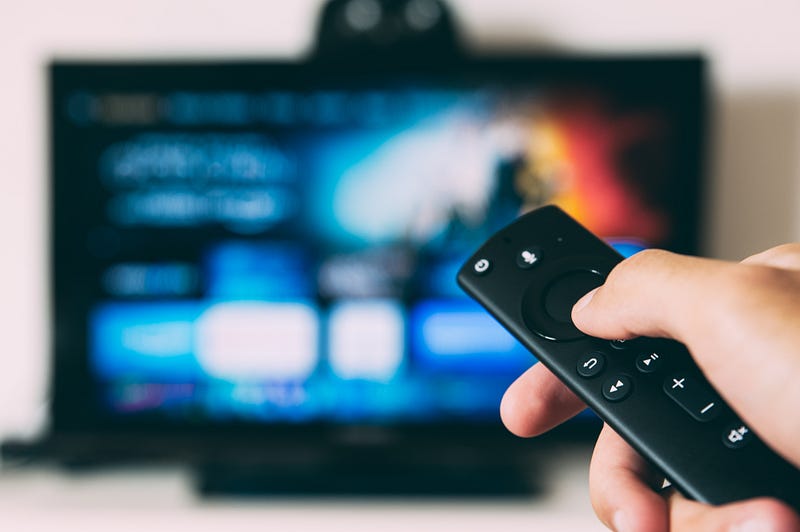
This week, I’ve been sitting on my couch scrolling through and zeroing in on as many Oscar-nominated films as possible.
Even though there are 10 best picture nominees, I have seen all but one. In my defense, the outlier is Drive My Car; its three-hour runtime and subtitles require more time and mental investment than I can give.
This is the first time that all the nominated films are available to digitally rent or stream across a myriad of streaming platforms (Amazon, Netflix, HBOMax, Disney+) before the Oscars telecast. Most had ridiculously limited theatrical runs. Some had what’s known as day-and-date releases in theaters and on streaming platforms. After years of the academy ignoring or snubbing streaming services, most of the nominated movies are made by or connected to studios with major streaming investments (looking at you, HBOMax).
The front runner for best picture, CODA, was made by the same company that made your iPhone.
In-Home Theaters
To say the Academy Awards feel different would be an understatement. It used to be an overproduced small-screen affair about big-screen events.
Now that once hard line between the two mediums, movies, and TV, is blurred. Where there were once two distinct mediums, say paint and charcoal, we’ve smudged them together. They’re different but also now share many of the same components.
The blending that was happening slowly as of 2020 accelerated during the pandemic. Theaters shuttered and films streamed. Experiences intended for the big screen were squeezed down to living room size.
Our big 4k TVs softened the blow a bit, but you don’t realize what they extract from the experience until you return to the darkened aisles of a theater.
Since the pandemic started to lift, most of us have only dipped our toes in the big-screen theater experience, and often not for Oscar-nominated films. I’ve been exactly twice, for Spider-Man: No Way Home and the nominated Licorice Pizza. Much of the theater-going public saw just one film in theaters last year: Spider-Man. (Superhero films might be immune to this small-screen trend. See this year’s The Batman.)
The Triumph of Digital
When the Oscars kick off tonight (March 27, 8 PM ET), we’ll all be more like the stars seated in Dolby Theater. Academy members rarely go to the theater to see the nominated films. They get screeners, once physical, now more than likely digital.
But the audience’s investment, really my investment in the Oscars, has shrunk with the screen. Last year’s Union Square event was an unfortunate reflection of not just our pandemic locked-down circumstance, but the smaller aspirations of our once big-screen activity
Also, remember Drive My Car? I kind of lied about why I haven’t watched it. You see, when the Oscar-nominated movies shift to the small screen, it’s usually a shared one. Back in 2008, there was no recruiting family members to watch The Wrestler and Slumdog Millionaire in one day (I think I asked my wife to go with me and she politely declined). I went on my own and they all stayed at home and did their own thing. Everyone knows that Drive My Car will play on our big living room screen, holding them all captive for three hours. I simply can’t convince my family to hunker down for it.
It’s not just me and the audience, the entire weight of the film industry has shifted to a collection of small-screen movie-making factories. They wield no less power than Paramount, MGM, and Universal did in their day.
The films these increasingly digital companies produced, even the ones from traditional studios that gave their films precious little time in theaters, are not as transportive when viewed on the little living room screen.
We are witnessing the end of one film era and the dawn of a new one. We’ve been cresting that hill, the transition from film to digital and from theaters to small screen streaming, for some time.
We’ll crossover to the other side when Apple wins Best Picture for CODA. There’ll be no turning back from that.