
Black History Is American History. Don’t Neglect It.
It’s time for educators to stop teaching the whitewashed and clichéd narratives to American youth
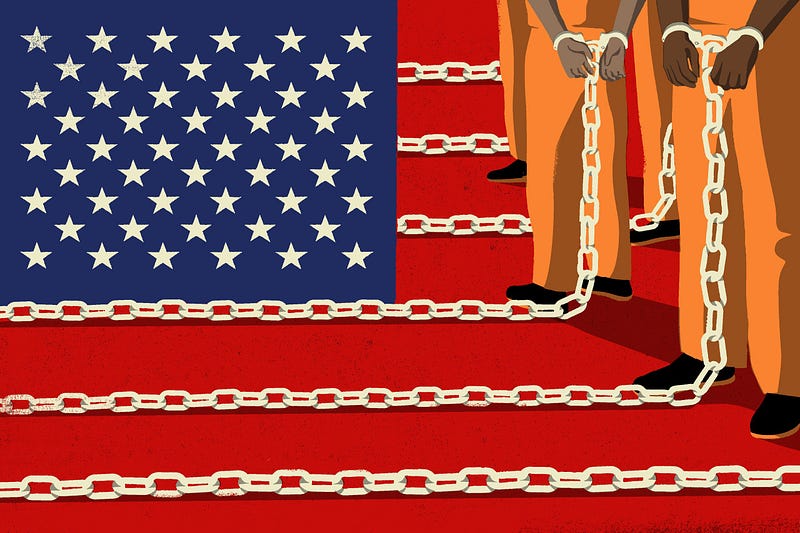
Schools across the United States need to stop excessively prioritizing the same traumatic and negative stories when teaching the next generation of leaders about Black history. History courses and curricula need serious modifications to eradicate these worn-out teachings that exclusively perpetuate Black struggles and inferiority from start to finish. Looking in hindsight, I know that I would have benefited greatly (along with many others like me) from being exposed to the complete history of Black people in the United States as a young teenager. Because I wasn’t exposed to it, it leaves me with a bunch of questions that I will ask as you read on.
The truth is that many things are mistaught or left out of the total historical equation that still affect a lot of us today, and that is dangerous. The teachings seem to focus on just a couple things: slavery and segregation. Why is that? Is it to keep the average Black person at a level below his or her white counterpart? Would more in-depth teachings of Black history make the white majority too uncomfortable?
Either way, more uplifting and positive energy needs to be associated with Blackness. Growing up, did you learn in school about the many great Black authors, artists, and entrepreneurs who paved the way for many people of all races today? I learned about a couple of them here and there, but not many.
All the overwhelmingly painful and traumatizing historical narratives are still extremely necessary to teach, but they can become draining and can be detrimental to the mental health and confidence of Black students if that’s where all the focus is. The crazy thing is that even the painful history is not fully taught. Why?
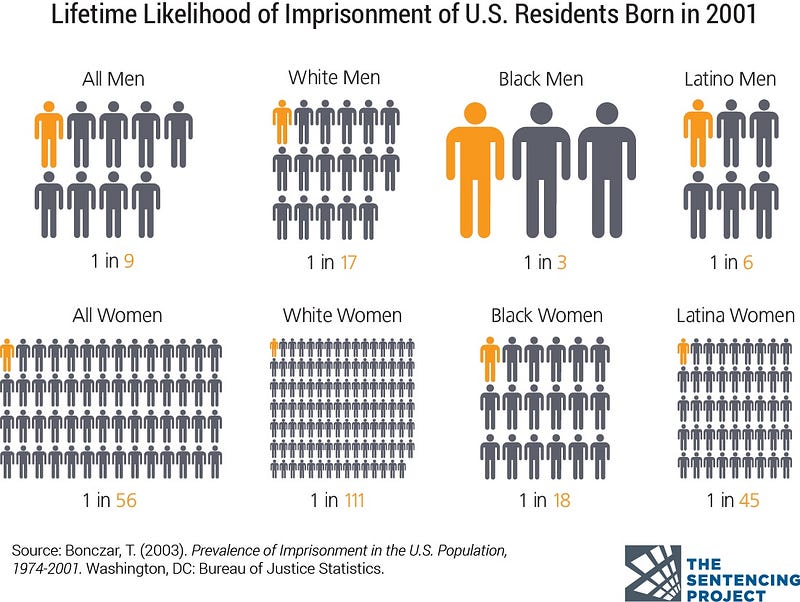
Why did I grow up being taught about all the fire hoses and freedom marches in Alabama and Mississippi in the 1960s, but not the Wilmington Massacre in 1898 and Tulsa’s Black Wall Street Massacre in 1921 and Florida’s Rosewood Massacre in 1923? Why did I have to teach myself about redlining and mass incarceration? The statistics and stories related to mass incarceration are dumbfounding, and thousands of people are currently impacted by it in 2020. The statistics may make white people uncomfortable, but I don’t care: This needs to be taught in schools across the United States, along with how it disproportionately affects Black people and Black communities. Imagine how uncomfortable it is for the odds to be stacked against you in life as soon as you are born, just because you are born Black!
Incorporating more positivity
To bring more uplifting and positive energy to the teaching of Black history, a bunch of different steps can be taken. What I believe is imperative, though, is putting more focus on the amazing and trailblazing Black women in the United States to show young Black girls that they can be great leaders. The issues Black women face today and have endured in the past are unbelievable. Did you know Michelle Obama has created several uplifting initiatives and programs over the years? They address issues related to the empowerment of Black women, education, mental health, physical health, racism, poverty, and more.
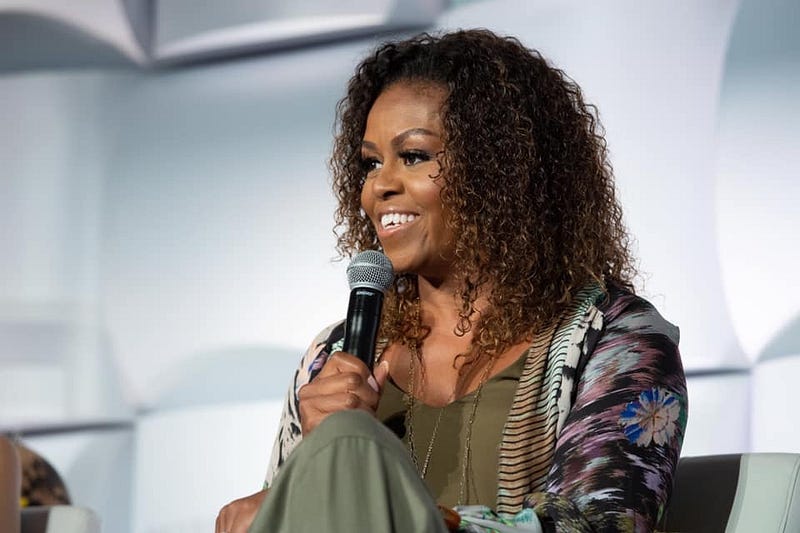
An abundance of Black women have been influential to our society, but they have had to work harder than anyone else just to be in the same discussion as everyone else. Despite being an integral part of building America as we know it, here are a couple issues Black women face, according to the National Domestic Workers Alliance:
- Underrepresentation at every level of federal and state political office.
- Wages consistently lagging behind most men and women of all other races, despite a relatively high labor force participation rate.
Another way to bring more effective and positive change to the teaching of Black History is by spending much more time on the beauty of African culture to create a stronger connection between Black Americans and their African ancestors. Due to slavery and its effects, very little ancestry information was kept for any descendants of African slaves in this country, so it’s just about impossible to completely trace the origins of a Black family’s ancestors, unless it’s a family who migrated from Africa to become U.S. citizens. That just reminds us all how America didn’t view Black people as actual people (and some racist idiots still don’t).
Despite incredible strides, genealogical research falls short in connecting American descendants of slavery with the African communities from which their ancestors were taken.
Due to the inability of many Black Americans to fully know and understand their roots, I believe there is not nearly enough pride, and Americans don’t embrace African communities and heritage as much. There is actually a little bit of a divide historically, in which Africans and Black Americans tend to negatively stereotype one another. As a descendant of Nigerian parents who came to the United States 30 to 40 years ago to become U.S. citizens, I know this all too well. Over the years, research has improved to try to uncover the mysteries of ancestry — and educators across the country, by focusing more on the wonderful African culture and traditions, have the ability to develop the pride and love that Black students have for where they all derive from, regardless of how well or far back their roots can be traced. They also have the ability to influence young white students and generate a high level of respect for Africa and all Black people. This could be effective in fighting against the racism and hatred that is taught to a lot of young white kids.
Black culture is the move
Black culture, art, and athletes heavily influence the country and are what make the United States a desirable destination for millions of people globally. Many American (and non-American) corporations have built their brands on them and capitalize from them in their advertising and marketing campaigns. How many commercials or ads do you see each day where Black culture is being celebrated? I don’t think I have gone a day without that being the case.

Basically, Black culture is the move, but Black people are not the move. Racism is still prevalent. Yeah, that obviously needs to change. Immediately.
Schools all over the United States can begin to spark change by putting a lot more emphasis on Black empowerment and positivity, while teaching a more full and complete version of Black (American) history. I believe it would make a significant difference in how we all treat each other as time goes on.


