500 Wives and Still Unsatisfied — The Life of Akbar
Akbar, one of the most prominent of the Mughal Emperors, is more than what we see in Youtube Reels and Tiktok. Like any person, he has more to hide than to reveal.
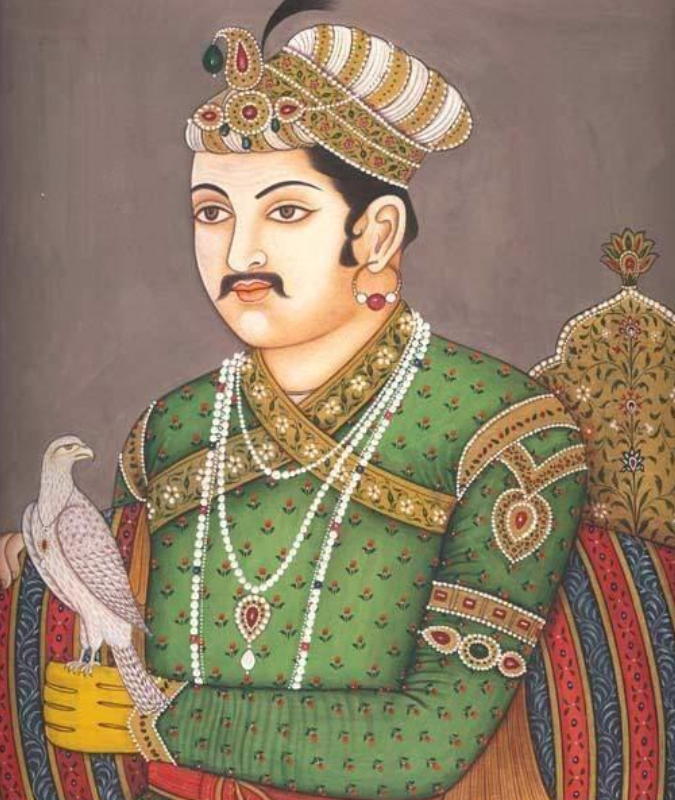
However, beneath the veneer of greatness, there lie aspects of his reign that are less flattering and often overshadowed by his grandeur. It is seminal to peel back the layers of Akbar’s rule, examining the intricacies of his personal life, particularly his relationships with his numerous wives, and the darker facets of his governance.
For instance, while Akbar’s harem is legendary, with tales of 500 wives, the reality of these relationships and the lives of the women in his harem is complex and worth scrutinizing. Beyond his personal life, Akbar’s religious policies and military conquests also present a dual narrative, oscillating between tolerance and tyranny. Despite his reputation as a secular ruler, there are instances in his reign that challenge this perception, suggesting that his decisions were often driven by pragmatism rather than a genuine commitment to secularism.
By delving into these aspects, a balanced view of Akbar’s legacy can be established, questioning whether his greatness was a product of his time or a facade crafted by subsequent narratives.
Akbar’s Harem
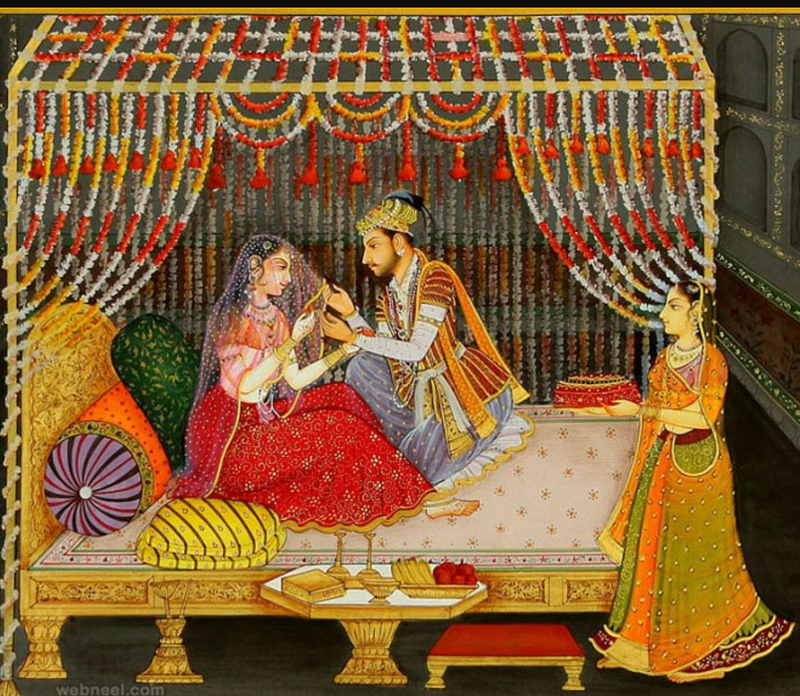
Akbar’s harem, often cited to have housed over 500 wives, is a subject of both fascination and controversy. Beyond the staggering numbers, the harem held significant political and social implications for Akbar’s reign.
These women, many of whom were princesses from various kingdoms, were integral to Akbar’s strategy of forging alliances across the Indian subcontinent. Their presence in the harem was not merely a reflection of indulgence but a calculated political maneuver to establish and reinforce Akbar’s power.
The life of the women in Akbar’s harem was governed by strict protocols and luxuries, yet it was also marked by isolation and political intrigue. The harem was a secluded world where women lived away from the public eye, receiving education and engaging in artistic pursuits. Yet, they were also pawns in the broader political game. Their roles extended beyond the personal, as they influenced court politics, administration, and even Akbar’s decisions on matters of state.
However, the narrative of Akbar’s harem is not just a story of political strategy. It also sheds light on the personal dynamics within the Mughal court. The emperor’s relationships with his wives varied greatly, with some enjoying considerable influence and others remaining mere figures in the vast assembly. The story of Mariam-uz-Zamani, for instance, illustrates how a wife could wield significant power and autonomy.
Understanding Akbar’s harem requires a nuanced perspective that goes beyond the exoticized tales of opulence and sheer numbers. It involves recognizing the harem as a complex institution that played a crucial role in the political, social, and personal realms of Akbar’s empire. This examination reveals the intricacies of Mughal court life and the delicate balance of power, diplomacy, and personal relationships that defined one of the most celebrated reigns in Indian history.
Tolerance or Pragmatism?
There is much emphasis placed on his religious policies as well. In popular imagination, these policies are commonly seen as a beacon of tolerance and secularism in an era marked by religious strife.
Akbar’s approach to religion was indeed progressive for his time, as he actively engaged with various religious scholars, and encouraged interfaith dialogues. He even abolished the jizya tax on non-Muslims, which had been a significant burden on his Hindu subjects.
One of Akbar’s most notable initiatives was the establishment of the Din-i Ilahi, or the “Religion of God,” a syncretic religion that attempted to blend elements of various major religions in his empire. These religions included Hinduism, Islam, Christianity, and Zoroastrianism. This was a bold move, especially in a predominantly Islamic empire, and reflects Akbar’s desire to transcend religious boundaries and promote unity within his diverse realm.
However, when scrutinizing Akbar’s religious policies, one must consider whether these actions were solely motivated by genuine tolerance or if they were strategic political moves to consolidate his empire. By engaging with multiple religious groups, Akbar ensure loyalty from different factions, thereby stabilizing his rule. His marriage alliances with Rajput princesses, which were not just personal but also political, further exemplified this strategy, as they helped him secure the allegiance of powerful Rajput kingdoms.
Moreover, the establishment of the Ibadat Khana, where scholars from various religions gathered to debate and discuss their beliefs, demonstrates Akbar’s pragmatic approach to governance. By promoting a culture of intellectual and religious exchange, he fostered a sense of inclusivity and loyalty among his subjects, which was crucial for the administration of such a vast and diverse empire.
So, while Akbar’s religious policies exhibit a degree of tolerance and forward-thinking unprecedented in his time, they also reflect a pragmatic approach to governance, where religious inclusivity served as a tool for political stability and unity in a multifaceted empire.
Military Conquests and Political Expansion
Emperor Akbar’s reign was also marked by an aggressive expansionist policy, through which he significantly enlarged the Mughal Empire’s boundaries. His military conquests were not just campaigns for territorial acquisition but also strategic moves to consolidate power and establish Mughal dominance across the Indian subcontinent.
One of Akbar’s most notable military achievements was the conquest of Gujarat in 1573, which was crucial for the empire in terms of securing access to the Arabian Sea and controlling the rich trade routes. This victory not only expanded the empire’s territory but also boosted its economic strength, integrating the prosperous trading cities into the Mughal domain.
Akbar’s annexation of Bengal in 1576 further exemplified his strategic acumen. By bringing this fertile and populous region under Mughal control, Akbar ensured a significant increase in the empire’s revenue and resources. Bengal’s wealth was instrumental in supporting the Mughal administration and military expeditions.
The conquest of Rajputana was another critical aspect of Akbar’s expansionist strategy. Instead of relying solely on military might, Akbar employed a blend of diplomacy and warfare. He forged alliances with several Rajput rulers through marriage and political agreements, integrating them into the Mughal administration. This approach not only expanded his empire but also established a framework for relative stability and cooperation between diverse cultural and political entities within the empire.
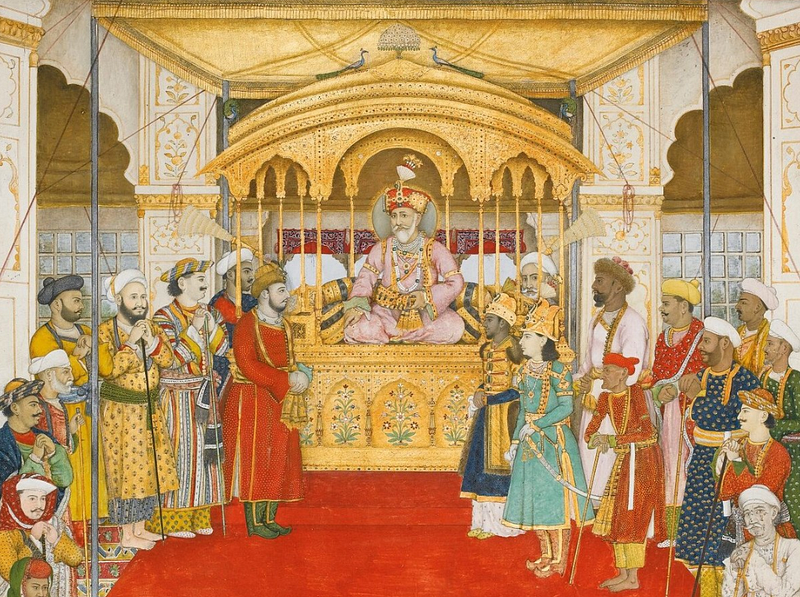
However, these military campaigns and the subsequent consolidation of territories were not devoid of brutality. The expansion often came at a significant human cost, with resistance met with harsh suppression. While Akbar is celebrated for his administrative prowess and efforts to unify the empire, the darker aspects of his military campaigns, including the impact on the local populations and the methods used to maintain control, provide a more nuanced understanding of his rule.
The Administration under Akbar
Akbar’s administration is his trademark policy. Often hailed for its innovative and effective governance, Akbar contributed significantly to the stability and prosperity of the Mughal Empire.
He established a centralized system of administration, dividing his empire into provinces or ‘Subas,’ each governed by a ‘Subedar’ who carried out both military and civil duties. This system allowed for efficient governance and the effective implementation of policies throughout the vast empire.
One of Akbar’s notable administrative reforms was the introduction of the Mansabdari system, a unique method of organizing the military and civil services. Individuals were granted ranks or ‘Mansabs’ based on their merit and capabilities, rather than their birth or lineage. This system encouraged loyalty and service to the emperor, fostering a sense of meritocracy.
Akbar also implemented significant fiscal reforms, including the standardization of revenue collection through the land revenue system known as ‘Ain-e-Akbari,’ developed by his advisor Abu’l-Fazl. This system provided a detailed account of the empire’s geography, economy, and administration, ensuring a more systematic and fair method of tax collection.
However, Akbar’s administration was not without its flaws. While he promoted meritocracy through the Mansabdari system, the same system also led to intense competition among nobles, sometimes resulting in corruption and power struggles. Additionally, the heavy taxation and rigorous revenue collection methods, though systematic, were often burdensome for the peasantry, causing distress among the common people.
Moreover, while Akbar is celebrated for his policy of religious tolerance, his administration’s approach was not entirely devoid of coercion, especially in the early years of his reign. Instances of forced conversions and destruction of places of worship of other religions, though less frequent compared to his predecessors and successors, did occur.
Hence, while Akbar’s administration introduced several reforms that modernized the Mughal Empire’s governance, it was a complex system with its share of challenges and shortcomings. Acknowledging these nuances provides a more balanced perspective on Akbar’s rule and its impact on Indian history.
The Image of Akbar in Popular Culture
The image of Akbar in popular culture often portrays him as an enlightened ruler, celebrated for his wisdom, religious tolerance, and just governance.
This idealized depiction is prevalent in literature, films, and television shows, where Akbar is frequently shown as a benevolent monarch who prioritized the welfare of his subjects. For instance, the Bollywood epic Jodhaa Akbar paints a romanticized picture of Akbar, focusing on his relationship with Queen Jodhaa and highlighting his progressive policies.

However, a deeper dive into historical accounts presents a more complex character, one whose actions and policies were sometimes at odds with the benevolent image portrayed in popular media. While Akbar did implement significant reforms and promoted a degree of religious freedom, his reign was also marked by brutal military campaigns and a pragmatic approach to governance that often prioritized political power over ideological purity.
The contrast between the popular and historical Akbars underscores the need for a nuanced understanding of historical figures. It highlights how narratives are shaped by cultural, political, and social contexts, often blurring the lines between myth and reality. Understanding this discrepancy is crucial for a more accurate and comprehensive appreciation of Akbar’s legacy in Indian history.


