
5 Writing Mistakes I Fixed To 10x My Views
What I learned from Tim Denning, Sinem Gunel, Eve Arnold & Nicolas Cole
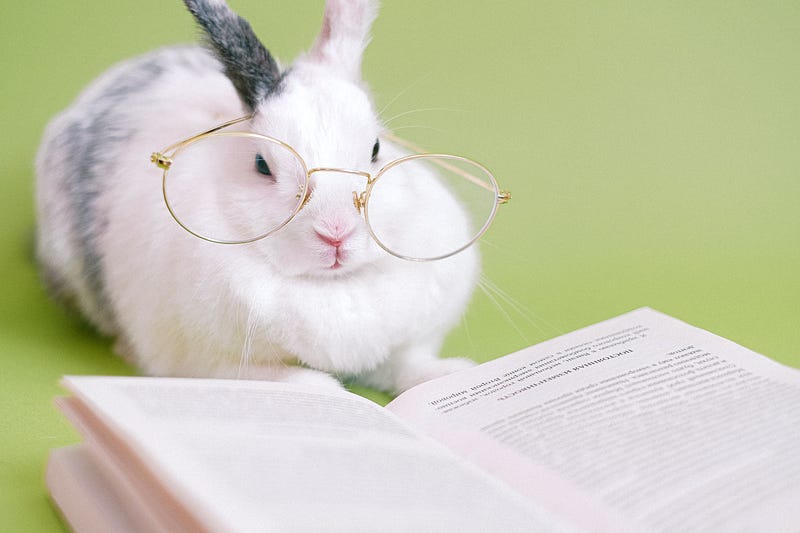
I launched into the world of online writing like a newborn puppy.
Full of enthusiasm but very naive.
I only got 20 views in my first month on Medium. I needed help. So I decided to learn from the best, completing courses by:
- Tim Denning
- Nicolas Cole
- Sinem Gunel
- Eve Arnold
This revealed I was making 5 colossal mistakes.
Fixing them increased my views to 3000+ last month.
Here are my 5 mistakes and how I fixed them:
Mistake 1. A good title isn’t good enough.
Writing the title is harder than it appears.
You finish writing and editing your article. Your creativity is drained. You push yourself. And somehow manage to come up with a good title. Pleased with yourself you click publish.
Big mistake number 1.
You need to devote at least 25% of your creative energy and time to crafting a stunning title. Even if this reduces the quality of your article. A 25/75 split is better than 5/95 when dividing your energy between title/article.
A good title isn’t good enough.
It isn’t easy to grab attention and get clicks on your article. Only a great title can do this. This requires some of your best work. Otherwise all your writing effort is wasted.
The easiest way to improve your title is not to use the first good idea you have. Instead, force yourself to write at least 7. Then pick the best.
Devote some of your creative energy to devising a captivating title.
Mistake 2. Using boring images
Sometimes you need the obvious pointing out.
This was my process for choosing the photo:
- article was finished
- take a few seconds to look for a nice photo
- pick any photo related to the topic that looked ok
For example, I picked the following photos:
- someone giving a presentation = presentation skills article
- some money = money article
- a bookcase = book recommendation
- a map & compass = direction article
All obvious and boring.
Tim Denning made me stop and ask 2 critical questions:
1. What is the purpose of the photo?
It isn’t to have a photo related to the topic.
The purpose of your photo is:
- grab attention
- stop someone scrolling
- get someone to read your title
Doh! So picking a bland photo isn’t going to achieve this.
2. How important is the photo?
The photo isn’t the cherry on top.
The photo is crucial to grabbing attention. Without this, no one is going to read your article.
Doh! Need to give more time to picking the photo then.
My new process (based on advice from Tim):
- type the topic into Pexels & Unsplash
- scroll down quickly and see which image makes me stop and look
- use that one
Good news: This process doesn’t take a lot of time but makes a big difference.
Mistake 3. Long introductions to build suspense
Good news I was making progress.
Correcting mistakes 1 & 2 started to increase clicks on my articles. But then I discovered a new problem. My read % was very low. Less than 10%.
People clicked but decided not to read.
This means I won’t:
- earn money which is based on reading %
- build a loyal audience
- help anyone (which is my main reason to write)
I reached out to Sinem Gunel for some advice. This is what she told me.
Effective writers enter the mind of a reader. When readers click on the article and start to read they have 1 question in their mind.
Do I want to read this?
They will answer yes and keep reading if:
- you have credibility (are worth listening to)
- you deliver on the promise of the title
- your writing is easy & quick to read
Long introductions cause readers to click away.
You haven’t got time to warm up the reader. I am a public speaker and when presenting you need to build rapport. Warm up the audience before you deliver the meat.
With online writing you don’t have time to do this. It’s cruel but you don’t get the benefit of the doubt.
You can increase your read rate by:
- keeping your intro short — get to the meat asap
- make sure the intro follows directly from the title
- show your credibility asap (ie. show how you know this)
Mistake 4. Lazy adverbs that I thought were conversational
Don’t write like you speak.
An informal and chatty style is good. You don’t want to be stilted and read like a legal document. But your writing needs to be easy to read.
This means deleting the fluff. Remove excess words. Use 1 sentence instead of 3. But the main enemy is adverbs which litter our speech but harm our writing:
- easily
- really
- generally
Find them and delete them.
It will make your writing sharper and easier to read.
Mistake 5. Too much detail in my stories
Are you ready for a harsh truth?
People are not interested in you. They don’t want to know about your life. They want value. Learning. Knowledge. And they want it instantly.
Stories and examples from your life can be valuable:
- they make your point more understandable
- they give you credibility
- prove it’s not AI written
This makes stories essential. But you need to be short and sharp. Include the essential elements. Delete everything else.
This can be tricky because writers find it hard to edit their stories. You are not objective. Fortunately, there is an easy hack you can use:
Write and edit on separate days.
Editing a day later will give you a more neutral perspective. With fresh eyes you will be more ruthless with your deleting. If in doubt delete more than you feel you should.
Writing online is a tough gig. It’s hard to grab attention. And even harder to keep it. But with continuous learning you will get better and better.
I especially recommend Eve Arnold’s content.
If this was helpful then you’ll love my newsletter — where I share a weekly writing tip:


