
5 Writing Lessons I’ve Learned From Anne Lamott’s Book ‘Bird by Bird’
#3: Don’t worry about the final project
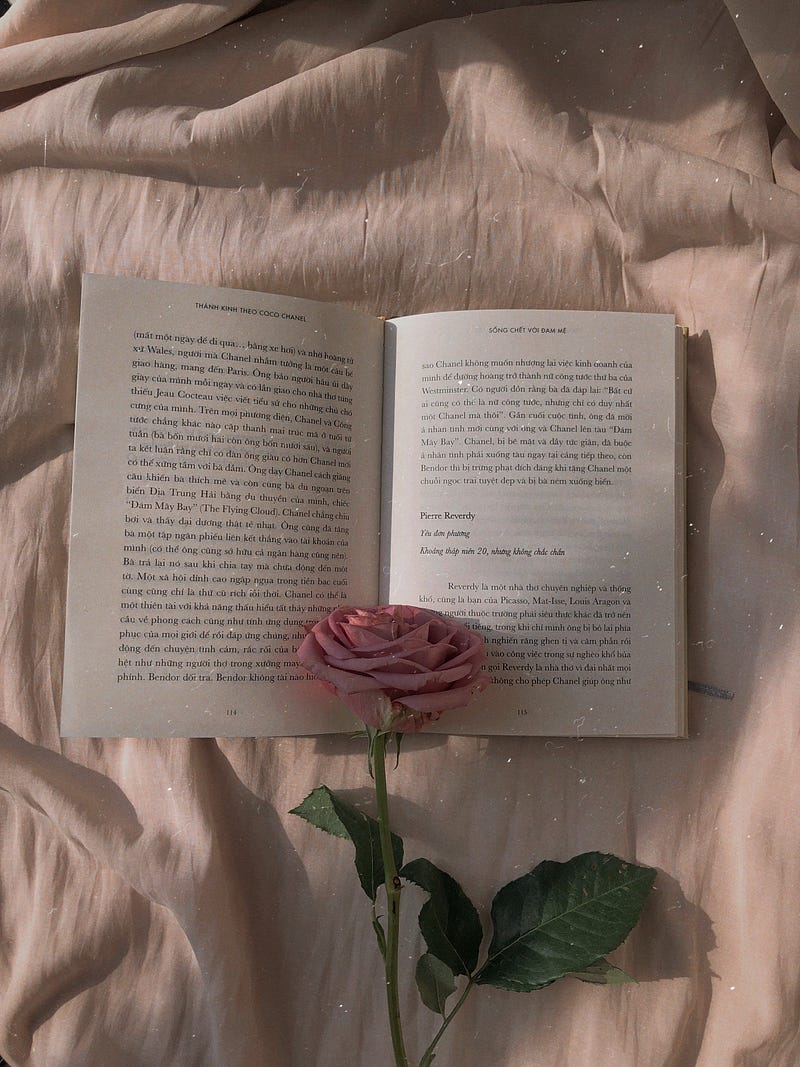
It is the summer before my senior year of high school. I’m excited, but also nervous. I’ll be applying to colleges soon, and as exciting as that is, it is equally as stressful. I get the summer assignment for my English class: I am to read either a book by Anne Lamott or Stephen King, both being books that give the reader advice on writing. I figured I would read the Stephen King one, despite never reading any of his books, just because everyone boasts about how amazing his writing is. But I still look up that other book anyway, just to see what I would be missing out on. I read a description of Lamott’s book, and am somewhat intrigued, so I decided that would be the book I read.
Lesson #1: First drafts are for your eyes only
After reading the chapter in Lamott’s book titled “Shitty First Drafts”, I was let in on some major insight: No one is going to read your first drafts, except you, so write whatever you want. I’m not sure how I never realized this. Whenever I write I’m super conscious about what words I put down and how I say something, but none of that truly matters.
When you’re working on a first draft, you should write anything and everything that comes to mind. Get as many ideas as possible flowing. Don’t worry about making sense. That’s for the third or fourth draft. Right now, just worry about letting go. Allow yourself to write something that may end up being terrible, something you end up cutting out later on. That’s okay. Allow yourself to go wild and run free. There are no boundaries when it comes to first drafts, and this is something I try to remind myself of every day when I sit down to write.
Lesson #2: Start small
I don’t know about you, but I find when I write I’m usually so concerned with writing something amazing that serves some type of purpose, that I end up getting so overwhelmed and just not writing anything at all. It’s okay to be overwhelmed, but don’t let that stress stop you from writing. Some days you’ll have to start small. Write about what you’ve done so far that day. What did you eat for breakfast, what was the weather like when you walked your dog?
These things may seem arbitrary, but it’s important, I promise you. These small things will lead to big things. Sometimes you can’t reach those important messages or themes until you write about the small, everyday stuff. I like writing about conversations I’ve had with a friend, or experiences I’ve had with UberEats drivers, because if it weren’t for that stuff, those ordinary mundane things, I wouldn’t have had the experience of writing about something tedious and making it sound intriguing or interesting.
Lesson #3: Don’t worry about the final project
When I write, sometimes I can just never write in the moment and let my words take me wherever they want to go. No. I need some type of plan. I need to know where I’m going with all of this and what point I’m trying to make. But it’s usually better when you don’t write about that stuff. Don’t try so hard to figure out what the purpose of your writing will be. That doesn’t matter right now, right now you just need to write. You need to shut up and be quiet, so you can listen to what your heart’s telling you.
We talk to people every day. We have conversations with other friends, neighbors, strangers. We don’t worry about where the conversation is going, we just speak, we don’t think too much about it. That’s how we should treat our writing. We need to be patient. We need to give our mind time to take us to that place where everything makes sense. What’s the point of going straight to the final message, without the journey?
Lesson #4: Look at the people around you
Look at those around you. Take notice of their habits. Why do they do the things they do? Get to the root of the people around you, so that you can understand them in your writing. A key part of writing is observing. Laying low and watching. We need to see the moments no one else does and try to make sense of them. That’s our job.
The minute you stop looking around you, the second you give up trying to make sense of everything around you, that’s the day you truly fail as a writer. You don’t fail when you don’t get published or when someone doesn’t like your work, but when you stop observing. Observation is important to the craft. In order to understand our writing, we must understand the world around us.
Lesson #5: Jealousy is normal
Being a writer in itself is tough. When you’re sitting at your desk looking at a blank page for seconds turning into minutes turning into hours, those are the days we want to give up. And sometimes we do. Sometimes we don’t sit long enough for the ideas to come through, and that’s a shame. But what is even worse is when you are giving it your all, you’re writing every day and you’re still not seeing any physical reward.
Sure, the writing itself is its own reward, but we still wonder where that pay-off is. Why are all these other people getting published and are now well off? Sometimes it’s unfair, and you want to scream and cry and hide under your covers, and that’s okay. It’s okay to be jealous of your writer friends because they’re getting everything you’ve dreamed of. You’ll feel happy for them eventually, but it’s okay to resent them right now. Give yourself the space to feel these emotions, and then write about it when you’re done with your little tantrum.
If you feel like you’ve learned anything from this, then I highly recommend you read Lamott’s book, Bird by Bird, because you will learn much more.