
5 Ways To Raise Your Financial Thermostat And Be Open to Receiving
Creating consciousness of wealth starts with an honest look at how you think about money and people with money.
What’s Your Money Story?
We all have our own stories around money. The best way to understand it is to look at how money shows up in our lives, currently. A list of critical questions to ask yourself:
- Do you find it difficult to attract money?
- Does the money you attract appear to slip through your fingers?
- Are you living paycheck to paycheck regardless of how much you earn?
Do you regularly operate from within your overdraft?
If any of these reflect your current financial situation then you are struggling financially.
What Are Your Money Beliefs?
Here is a list of common beliefs about money and people with money:
- Having money comes with a great deal of sacrifice. A sacrifice of leisure time and time with the family.
- The only way to make money is to work hard.
- Money is the root of all evil.
- People with money are more entitled.
- It’s hard to make money.
- If you have a lot of money, you will attract fake friends.
- If you have a lot of money, you will have more worries.
If any of these beliefs are deeply rooted in your subconscious mind, then it could explain why you are struggling financially.
Change Your Financial Thermostat
Like everything else, from exercise to nurturing healthier relationships, it all starts with your mindset. Here are five ways to turn your experience with money into a more positive one.
1. Examine your beliefs about wealthy people.
“They’re entitled.”
“They get away with just about anything.”
“Oh, don’t worry about her; she’s got money.”
“They’re dishonest.” “They don’t care for people like us.”
These are just some of the judgments some people describe rich people; wealthy people are somehow immoral, unethical, entitled beings.
If that is the way you think about the wealthy, it should not be a surprise that you may struggle with money. Why would you want to attract money if it meant you’d turn out like the people you judge?
Creating a wealth consciousness starts with an honest look at how you think about money and people with money. Question your beliefs about wealthy people.
2. Examine your subconscious beliefs about money.
“Your dad worked hard for that money,”
“We can’t afford it.”
“Stop wasting money.”
“Money is the reason there is so much suffering.”
These may be some statements you heard about money while growing up.
Most of our ideas around the subject of money we inherited from our families, communities, and the media. If your parents regularly fought over the subject of money, you may subconsciously believe that money creates conflicts.
Was the subject of money taboo or emotionally charged in your family? How is it for you?
3. Check your current financial temperature.
Would you be comfortable with having a lot of money? What would constitute a lot of money? $1M? $10M?
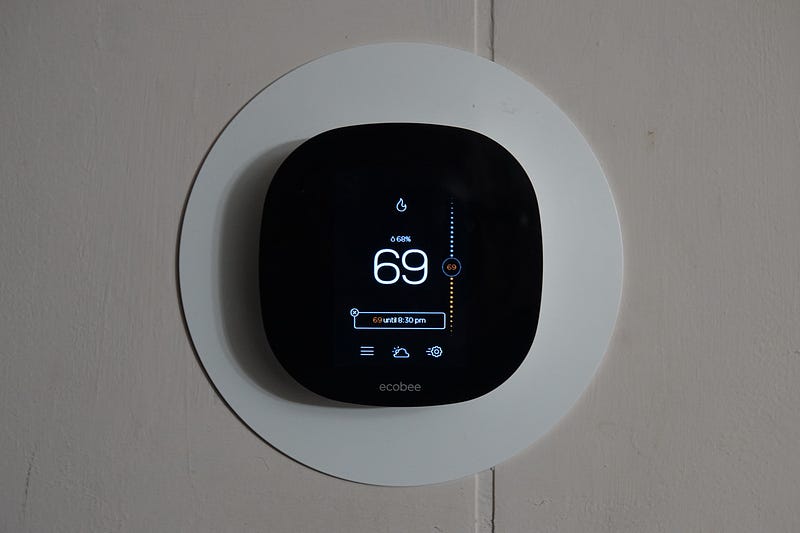
You will never rise above the financial thermostat you’ve set for yourself. And even if you did strike the lottery, you may not be able to hang on to the money.
4. Be clear about why you want money.
How would life be if you had $1M in your account? Would you be debt-free? And what it be like if you had $10M? There is a huge difference between a net worth of $1M and $10M. Would you quit your job if you won $10M? Move to a different state? Help your children with a down payment on their first home.
5. Feel it.
Emotions are powerful. It’s one thing to think about how life would be like if you had a substantial amount the money. It’s quite another to feel like you’re there! Where you are living the life of someone who has all the money they want.
It’s not about frivolity and spending foolishly. Feelings reveal what matters most to you. What would it feel like to pay off all your debt? Leave an unfulfilling job. Or an abusive marriage.
For many people, having money affords them the freedom to do what they want, when they want, and with whom they wish to. What does it feel like to be free? To be doing something you are passionate about instead of working at a job, you had to for financial reasons.
Open yourself to receiving money. Spend it without fear and guilt. Not because you feel you deserve it. But rather because money is merely a tool. No more, no less. You do not have to feel guilty because you have money. Learn to leave the guilt behind.
Raise your financial thermostat
Your money story does not have to be a sequel to that of your parents. You decide how you’d like it to read. Be clear about what that story is. Be mindful of your inner scripts.
Reflect on your current relationship with money. What feelings appear to dominate when you are interacting with money? Do you feel your stomach tighten each time you open your credit card statements? Do you stay up at night regretting purchases made?
A healthy relationship with money is one of flow and fun. Money is a tool. You get to decide how to use it. Find out what it is you value and manage your money in alignment with what you value.
This article contains affiliate links. I receive a commission at no cost to you, should you decide to purchase any of the products through these links.
Jennifer’s books on money: Women and Money: 7 Principles Every Woman Needs to Know to Be Financially Prepared in Any Economy and Growing Up With Money: Raising Financially Resilient Kids in an Age of Uncertainty.
Related Articles and Books
What’s Your Money Personality Type?
Money Does Not Grow on Trees and Other BS About Money.
How To Increase Your Chances of Winning at Whatever You Want.
It is in Your Moments of Decision That Your Destiny is Shaped.
How To Create Healthy Financial Habits That Will Make You Rich.
How To Reprogram Your Mind To Achieve What You Want.
Where is it going? How to Manage Your Money in Alignment with What You Value.


