
5 Ways to Help Prevent Home Cyberattacks
Tips to protect your home network — and the devices connected to it — from hackers

Being home 100% of the time has become the new norm for many Americans, as social distancing is implemented in communities across the country to slow the rapidly spreading COVID-19 pandemic. Connected devices are being used virtually nonstop, as the homebound stream shows to binge watch and video chat with friends to help pass the time. Unfortunately, most residential computing networks aren’t regularly maintained and monitored to protect against security breaches. This presents hackers with a virtual playground of which to take advantage.
“Cybercriminals are continuously looking for ways to exploit computer system vulnerabilities and home networks are popular targets because so many of our devices — phones, TVs, computers, even appliances — are connected to them,” said Jane Li, Mercury Insurance director of product management. “Insurance companies provide solutions to help financially protect homeowners and renters if they fall victim to a cyberattack. There are also steps they can take ahead of time to help prevent one from happening in the first place.”
Following are five tips to protect your home network — and the devices connected to it — from hackers.
1. Power down your devices. This disables the internet connection, cutting off access to any personal information stored on your computer, tablet or phone. Unattended machines are easy targets for hackers, especially if you’re asleep.
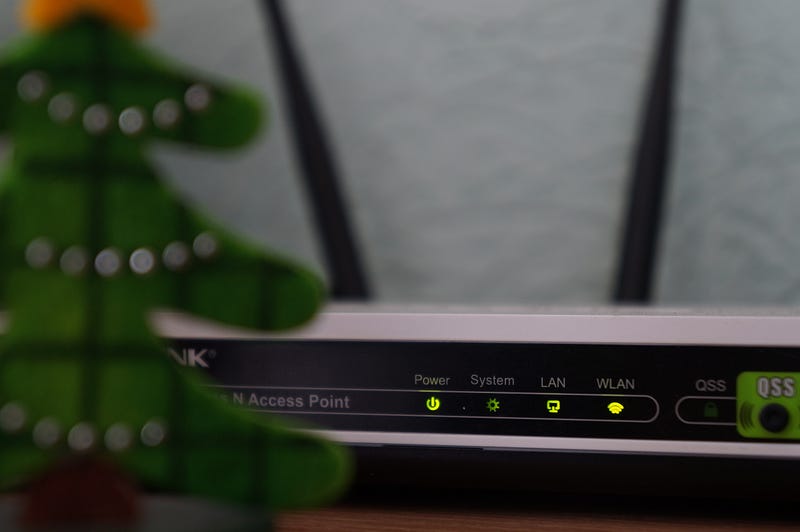
2. Secure your wireless network. Information accessed on an open network, including email passwords and sensitive bank information, is fair game for hackers. Don’t make their jobs easier — protect your Wi-Fi network with a strong password that’s difficult to guess. Wireless routers that are issued by cable providers are typically assigned a network name and password that’s easily located on a label on the device itself. These can be changed using your online account, so do this as soon as possible for added security.
3. Invest in anti-malware software. Malware — or malicious software — can be installed on your computer without your knowledge so hackers can damage your system, steal personal information or restrict your access to extort money from you. Anti-malware software helps protect against, detect and remove malware, stopping cybercriminals from doing further damage. Also, avoid downloading music or video files from suspicious websites, and clicking on links or email attachments in messages sent from unknown senders to help prevent malware from infiltrating your system.
4. Install recommended updates. Smartphone, computer, tablet and smart TV manufacturers, among other providers of connected devices, offer periodic software updates to protect against potential security breaches. Chances are, if an update is recommended, hackers have already discovered a way to access your personal property and information, so keep your software up to date. Set your devices to install auto-updates when possible.
5. Beware of phishing scams. Phishing scams aren’t new, but hackers continually use more sophisticated email — and even text messages — to trick people into providing their personal information. Once again, do not click on the links or attachments in messages from unknown senders.

Li suggests homeowners and renters consider adding Home Cyber Protection to their existing policies as an additional way to protect against hackers. “Even the most vigilant individuals can experience a cybersecurity breach,” said Li. “Having coverage to help recoup financial losses that are brought on by cyberextortion or stolen personal information can offer peace of mind during an otherwise stressful time.” (BPT)
_______________________


