5 Ways To Deal With FOPO
What’s FOPO? Fear of People’s Opinion. People who experience FOPO usually tend to operate from an outside perspective. What do I mean by that? They worry about what others will think when executing goals and dreams. Thus, they do not do it and let their dreams fall by the wayside.
Imagine The following:
Daniel works for a high-end luxury company on Bond Street, London. He’s one of their ‘one to watch’ high performers. He recently returned from his Secondment as Assistant Buyer in the company’s Flagship store in Marina Bay, Singapore.
Daniel’s always loved High-End luxury, but after the Pandemic in 2020, he’s been evaluating his career. He’s been experiencing a bit of career blues. He thought it was because of his time away in Singapore and adjusting back to reality in London.
It’s been niggling him for the past six months, but Daniel’s been brushing these emotions under the carpet. Daniel gets up in Kensington apartment each morning, puts on his work mask daily, and ‘gets on with it’. His days are busy and filled with meetings and other activities.
Daniel dreams of creating an online florist shop and becoming an influencer on TiKTok. He mentioned it to one of his friends, Abi, who laughed at the thought of him doing silly stuff on TiKTok. Abi thought it was career suicidal to ditch his thriving career during times of uncertainty.
Daniel was shocked by his friend’s reaction, but he realised his friend knew nothing about the Gig economy or social media. His friend was in Venture Capital in Mayfair, and the alternative world of work seemed incomprehensible to him and his peers.
When Daniel mentioned it to his family, they were slightly surprised but were more receptive than Abi. On the other hand, Daniel’s customers thought it was an excellent idea.
Will Daniel fulfil his dream, or will he succumb to FOPO? Find out below.

Here’s five ways you can combat FOPO with confidence
❇️Use self-awareness to your advantage
❇️Journal
❇️Up the self-care — when you don’t feel your best, you’ll feel vulnerable
❇️Set stretch goals
❇️Audit your circle
Let’s dive into each one in a bit more detail.
- Self Awareness
Self-awareness is your competitive tool in the 21st Century. The more you know yourself, the clarity will lead to informed choices. This way, you focus your energy and effort on what matters rather than on what others expect you to do.
Be honest with yourself because you will understand why and how you jam daily. Some people don’t like doing this because they don’t want to face reality. However, by procrastinating or avoiding self-awareness, you’re putting yourself in a vulnerable situation.
After a short while, you might start thinking about some steps you want to take. It’s like going to the gym; you won’t see results overnight but will over time.
2. Journal
If you’ve been reading my articles, you’ll know that I’m a big fan of journaling. It’s a beautiful feeling to offload your thoughts, ideas, and frustrations onto paper. I always feel that things aren’t as bad as when they’re swirling around in your head on autopilot or auto-loop.
Journaling helps clarify some of the chaotic thoughts in our heads and gives us a break to process the information.
Try the Five-Minute Journaling Exercise. Answer these questions.
What am I grateful for today? (Morning) / What was I thankful for today? (Evening)
- Write down 1–3 things. They can be as simple as a sunny day, a good cup of coffee, or a kind gesture from a friend
- What would make today great? (Morning) / What went well today? (Evening)
- In the morning, list one or two things you can do to make your day successful. In the evening, reflect on what went well during the day.
- Daily Affirmation (Morning) / What did I learn today? (Evening)
- Morning: Write a positive statement about yourself or your goals. Evening: Reflect on a lesson learned or an insight gained.

3. Self Care
It’s important to be kind to oneself and to practice self-care. Self-care involves taking the time to prioritise your physical, mental, and emotional well-being.
This can include getting enough sleep, eating well, exercising, engaging in enjoyable activities, and setting boundaries with others.
It’s also important to practice self-compassion, which means being understanding and kind to yourself when you make mistakes or face challenges, rather than being overly critical or judgmental.
Some ways to be kind to yourself include setting aside time for relaxation and enjoyable activities, taking breaks when needed, and finding healthy ways to cope with stress and difficult emotions.
4. Set Stretch Goals
I see the following scenario all too frequently, especially over the last couple of years- people aim for big goals and great action plans, and then a curveball hits. Consequently, there’s usually a temptation to sit and wait it out.
In most cases, you need to keep going. Why? There’s a lot of change and uncertainty out there. It’s ok to be unsure, fearful, and hesitant. When things get sticky, learn to trust the step before you.
Top Tip: Don’t perfect anything. Otherwise, you’ll miss the stretches, insights and invaluable learning for the next step.
5. Audit Your Circle
Surround Yourself with Positivity and Growth. They say you are the average of the five people you hang out with. Our inner circle might consist of friends and family. Our process might be big or small, and each has a different personality, strengths, weaknesses and quirks.
Some are our champions, others play a different role and are fun to be with. We like them because they are unique, and we want to spend time with them.
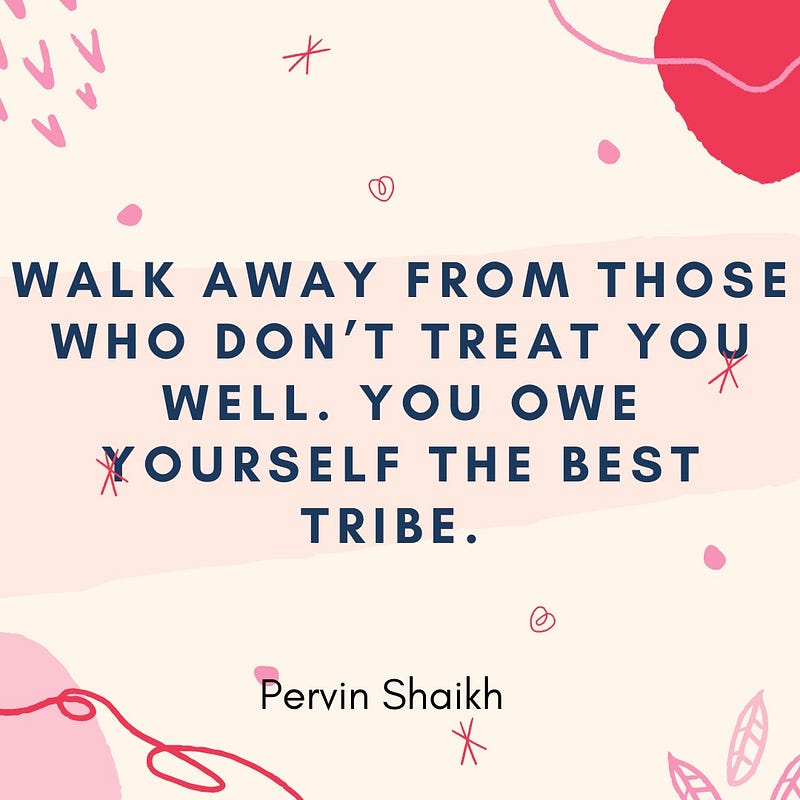
However, you might notice that you’ve changed, or they’ve changed, and things are no longer like before. It’s important to remember that it’s ok to outgrow people you thought you would never outgrow.
Here’s some food for thought: does your inner circle inspire and uplift you, or does it drain you? If it’s the latter, it’s time to audit your process.
Auditing your circle frequently involves evaluating the individuals we allow into our closest social sphere and being mindful of their impact on our well-being and personal growth.
Back to Daniel
What happened to Daniel? Abi’s comments impacted Daniel, but he knew his friend meant well. The more Daniel thought about his idea, the more he was convinced it was a good idea.
Daniel knew giving up his job in 2024 wasn’t brilliant, especially with London’s high cost of living. As a compromise, Daniel decided to turn the project into a side hustle in his spare time. He’d work on it in the evenings and over the weekends.
Before starting, he needed clearance from his bosses, who seemed happy. They even said they might consider a potential collaboration depending on how the project turns out. Management wouldn’t let Daniel disappear from the team because they knew he was an intelligent guy with a great future ahead of him.
Parting Comments
Even though Daniel is a fictional character, I know what he is going through. Something similar happened when I decided I wanted to go into Coaching. Many people talked me out of it, saying I was silly to throw away a great job. I wasn’t throwing anything away. I wanted something different. I’m glad I stuck to my guns because I’ve never looked back.
Don’t get me wrong, it wasn’t easy, but I’ve learned so much and grown every year. If I’d listened to my contemporaries, I wouldn’t write this article today.
Thank you for your attention.
Follow me for more valuable tips.
Pervin
linktr.ee/AimHighLtd


