avatarDrama Llama

Free AI web copilot to create summaries, insights and extended knowledge, download it at here

1750

Abstract

War Poem’ (1937).</p><p id="1a9e">The latter was a particularly powerful comment on the savagery and masochistic sightlessness of fascism. Sokolow took a poem that embodied the ideology of fascism and the beauty of war and picked it apart piece by piece to reveal the terrible implications that ideology brought about.</p><h2 id="9b9f">The holocaust</h2><p id="fae2">‘Dreams’ came much later in 1961 and was Sokolow’s condemnation of the holocaust in Nazi Germany. According to an interview with Sokolow, she believed she felt it deeply; the piece was born from nightmares she was having related to the concentration camps. At the end of the piece, barbed wire was dropped onto the stage and the audience did not make a sound they just got up and left. (Rhodes, 1991, [video])</p> <figure id="5d54"> <div> <div> <img class="ratio" src="http://placehold.it/16x9"> <iframe class="" src="https://cdn.embedly.com/widgets/media.html?src=https%3A%2F%2Fwww.youtube.com%2Fembed%2FaFydATKfvF8%3Ffeature%3Doembed&amp;display_name=YouTube&amp;url=https%3A%2F%2Fwww.youtube.com%2Fwatch%3Fv%3DaFydATKfvF8&amp;image=https%3A%2F%2Fi.ytimg.com%2Fvi%2FaFydATKfvF8%2Fhqdefault.jpg&amp;key=a19fcc184b9711e1b4764040d3dc5c07&amp;type=text%2Fhtml&amp;schema=youtube" allowfullscreen="" frameborder="0" height="480" width="854"> </div> </div> </figure></iframe></div></div></figure><h2 id="9146">Anxiety and loneliness</h2><p id="94be">Sokolow’s ‘Rooms’, (1955) conveys frustration and longing in a pessimistic 20th Century. In The Vision of Modern dance: In the Words of its Creators, Sokolow explains that originally the piece was choreographed without music and that she

Options

wanted to create something about the anxiety caused by living in a big city. “The theme of loneliness and noncommunication evolved as I worked. I like to look into windows, to catch glimpses of unfinished lives.” (Brown et al. 1998, 111) Sokolow decided to use chairs to convey isolated rooms each with its own dancer, close to the next but in complete separation.</p><figure id="ad34"><img src="https://cdn-images-1.readmedium.com/v2/resize:fit:800/1*OqpQiNjGrSS-Hurk4BSeHw.jpeg"><figcaption>Photo by <a href="https://unsplash.com/@victoriavolkova?utm_source=unsplash&amp;utm_medium=referral&amp;utm_content=creditCopyText">Victoria Volkova</a> on <a href="https://unsplash.com/s/photos/dance?utm_source=unsplash&amp;utm_medium=referral&amp;utm_content=creditCopyText">Unsplash</a></figcaption></figure><p id="3635">The themes Sokolow used highlighted the deep emotional and sociological effect those events had on the masses. Through her visual imagery, she wanted to ignite a passion for humanity and teach about social injustice.</p><p id="755e">Sokolow died in 2000 at the age of 90 but her work is still performed extensively by the Sokolow Theatre/Dance Ensemble as they are still as relevant today to contemporary society as they were when they were created.</p><blockquote id="0575"><p>Choreography always reflects the character of the creator. We see in the person’s work what he asks from life and from art. Art should recognize all our needs.</p></blockquote><blockquote id="fb20"><p><i>Anna Sokolow, in </i>The Modern Dance<i>, Selma Jeanne Cohen, 1965</i></p></blockquote><p id="fdb1">Article written by <a href="https://linktr.ee/dramallamaperformingarts">Drama Llama</a> | Educator | Writer | Academic | Consultant</p></article></body>

Dance Education

5 War-Torn Dance-Works

The hidden mystery behind Anna Sokolow
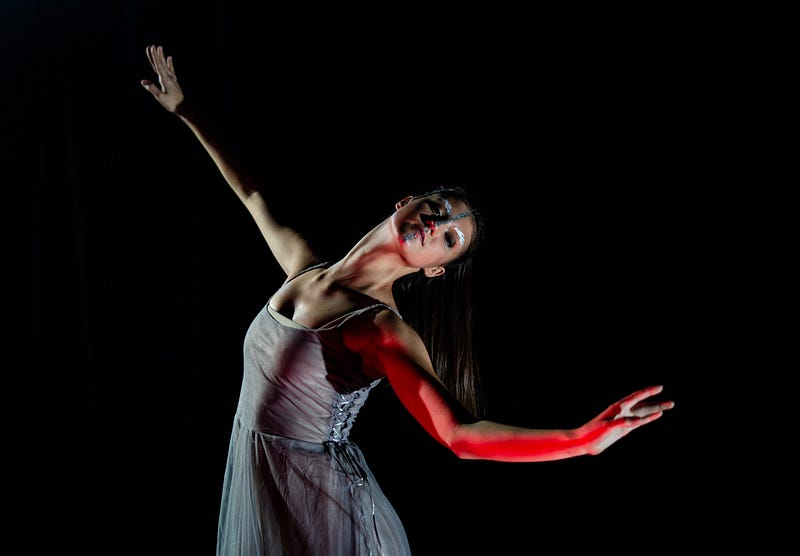
Photo by Diana Aishe on Unsplash

I felt a deep social sense about what I wanted to express, and the things that affected me deeply personally [are] what I did, and commented on. — Anna Sokolow, Choreographer, prod. and dir.

Sokolow’s early works focused on appealing to her audience’s social and political conscience and later dealt with themes of alienation and isolation. Seeing dance as an opportunity to change thinking in society, Sokolow often took a revolutionary approach inspired by current events.

Worried about the depression in the States and synchronically the rising danger of fascism, Sokolow believed that by performing the social, economic, and political crises around her, the audience members may be inspired to help resolve the contemporary issues conveyed.

One of the earliest examples of this was her ‘Anti-War Trilogy’ (1933) performed at the first American anti-war congress. (JWA, 2009, [online])

A comment on Fascism

Sokolow continued to comment on the futility and danger of war with ‘Inquisition ’36' (1936) an anti-vigilante piece and then later ‘Excerpts From a War Poem’ (1937).

The latter was a particularly powerful comment on the savagery and masochistic sightlessness of fascism. Sokolow took a poem that embodied the ideology of fascism and the beauty of war and picked it apart piece by piece to reveal the terrible implications that ideology brought about.

The holocaust

‘Dreams’ came much later in 1961 and was Sokolow’s condemnation of the holocaust in Nazi Germany. According to an interview with Sokolow, she believed she felt it deeply; the piece was born from nightmares she was having related to the concentration camps. At the end of the piece, barbed wire was dropped onto the stage and the audience did not make a sound they just got up and left. (Rhodes, 1991, [video])

Anxiety and loneliness

Sokolow’s ‘Rooms’, (1955) conveys frustration and longing in a pessimistic 20th Century. In The Vision of Modern dance: In the Words of its Creators, Sokolow explains that originally the piece was choreographed without music and that she wanted to create something about the anxiety caused by living in a big city. “The theme of loneliness and noncommunication evolved as I worked. I like to look into windows, to catch glimpses of unfinished lives.” (Brown et al. 1998, 111) Sokolow decided to use chairs to convey isolated rooms each with its own dancer, close to the next but in complete separation.
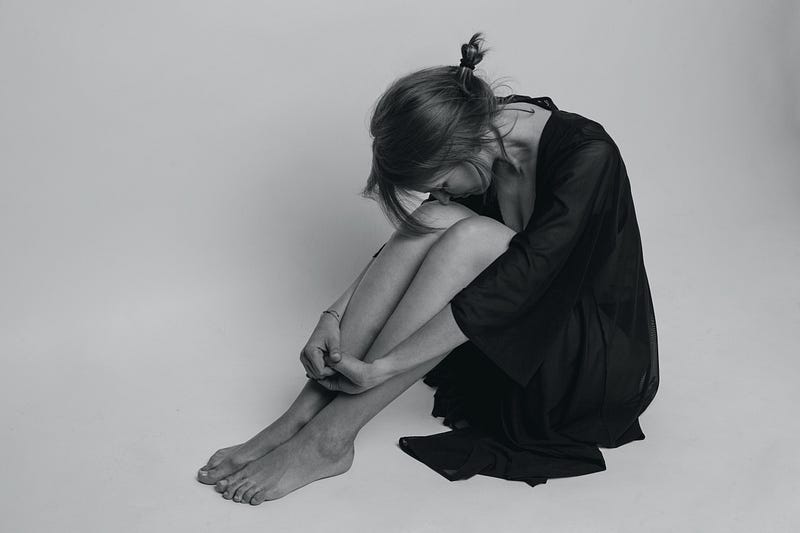
Photo by Victoria Volkova on Unsplash

The themes Sokolow used highlighted the deep emotional and sociological effect those events had on the masses. Through her visual imagery, she wanted to ignite a passion for humanity and teach about social injustice.

Sokolow died in 2000 at the age of 90 but her work is still performed extensively by the Sokolow Theatre/Dance Ensemble as they are still as relevant today to contemporary society as they were when they were created.

Choreography always reflects the character of the creator. We see in the person’s work what he asks from life and from art. Art should recognize all our needs.

Anna Sokolow, in The Modern Dance, Selma Jeanne Cohen, 1965

Article written by Drama Llama | Educator | Writer | Academic | Consultant

Education
Dance
Culture
Performance
War
Recommended from ReadMedium