avatarDanielle Herring

Free AI web copilot to create summaries, insights and extended knowledge, download it at here

3269

Abstract

ref="https://theherbalacademy.com/blog/hawthorn-offerings/">Hawthorn tonics</a> to treat heart conditions date back to 1st century Rome. American doctors in the 19th century used <a href="https://www.mountsinai.org/health-library/herb/hawthorn">hawthorn</a> to treat circulatory issues and respiratory diseases. The healing properties of hawthorn may be why this tea substitute is referred to as being beneficial for “nervous people.”</p><blockquote id="3483"><p>To make British Herb Tea. Take of hawthorn leaves, dried, two parts, sage and balm one part; mix these well together, and they will make an excellent and pleasant sanative tea, particularly wholesome to nervous people. (p. 196)</p></blockquote><figure id="00db"><img src="https://cdn-images-1.readmedium.com/v2/resize:fit:800/0*eFO0TB8f4H3B6K6J"><figcaption>Cloves <a href="https://commons.wikimedia.org/wiki/File:Cloves-penang-zanzibar.png">Wikimedia Commons</a> Public Domain</figcaption></figure><h1 id="2cb8">#3 Tea with Cloves</h1><p id="3913">Cloves have been added to beverages for centuries. <a href="https://www.thespruceeats.com/the-history-of-masala-chai-tea-765836">Masala chai</a>, which derives most of its flavor from <a href="https://www.spiceography.com/cloves/">cloves</a>, began as an Ayurvedic tonic in an ancient royal court of modern-day India.</p><p id="b50c">Cloves were also used to add <a href="https://www.google.com/books/edition/Everybody_s_Cook_Book/58tEAAAAYAAJ?hl=en&amp;gbpv=1&amp;pg=PA61&amp;printsec=frontcover">flavor to black tea</a>, according to this 1920s cookbook, which contains numerous suggestions for adding unique flavorings to tea using fruits, herbs and flowers.</p><blockquote id="8483"><p>Cloves. Stick in the lemon slices or put in the cup, 3 to a cup. (p. 61)</p></blockquote><figure id="a8f3"><img src="https://cdn-images-1.readmedium.com/v2/resize:fit:800/0*kOPRILOK1yhd3ELu"><figcaption>Common Agrimony <a href="https://commons.wikimedia.org/wiki/File:Common_Agrimony_(Agrimonia_Eupatoria)_-_William_Catto_-_ABDAG016059.jpg">Wikimedia Commons</a> Public Domain</figcaption></figure><h1 id="b69e">#4 Floral and Herb Tea</h1><p id="8962">Flowers and herbs were also combined together to create flavorful tea substitutes. This 1850 recipe is a mixture of several herbs with roses and <a href="https://www.wildlifetrusts.org/wildlife-explorer/wildflowers/cowslip">cowslip</a> flowers. The herbs <a href="https://www.merriam-webster.com/dictionary/septfoil">septfoil</a>, also known as tormentil or <a href="https://www.sciencedirect.com/topics/pharmacology-toxicology-and-pharmaceutical-science/potentilla">potentilla</a>, and agrimony feature as main ingredients in this tea. <a href="https://www.herbalreality.com/herb/agrimony/">Agrimony</a> has a mild, sweet, slightly astringent flavor, while <a href="https://howtocookaweed.com/2015/01/11/mock-strawberry-a-disdained-common-edible/">potentilla</a> leaves taste like cucumber with a hint of sage. These flavors must have lent themselves well to tea, since <a href="https://www.google.com/books/edition/The_Family_Economist/QltFAAAAYAAJ?hl=en&amp;gbpv=1&amp;pg=RA1-PA232&amp;printsec=frontcover">potentilla</a> and <a href="https://www.google.com/books/edition/The_Monthly_Magazine/GSkAAAAAYAAJ?hl=en&

Options

amp;gbpv=1&pg=PA519&printsec=frontcover">agrimony</a> were common additions to 19th century tea substitute recipes.</p><blockquote id="f01a"><p>The following herbs are said to be agreeable, used for the same purpose:–Equal quantities of septfoil, balm, wild marjoram, and agrimony; one-fourth part of each of these — black currant leaves, cowslip flowers, and red roses. As each herb or flower is procured, cut them into small bits, and mix with the rest. Let them all be carefully and completely dried, and then put them into canisters for use. (p. 150)</p></blockquote><figure id="c19b"><img src="https://cdn-images-1.readmedium.com/v2/resize:fit:800/0*e4ZnUgtVzSSM45sE"><figcaption>Lady Apple <a href="https://commons.wikimedia.org/wiki/File:Api-12.JPG">Wikimedia Commons</a> Public Domain</figcaption></figure><h1 id="359e">#5 Lady Apple Tea</h1><p id="5399">Fruit syrups were used to sweeten and flavor black tea. This 1865 <a href="https://www.google.com/books/edition/The_Art_of_Confectionery/4hALAAAAIAAJ?hl=en&amp;gbpv=1&amp;dq=rose%20petals&amp;pg=PA318&amp;printsec=frontcover">recipe</a> uses a syrup made from lady apples, a French <a href="https://www.google.com/books/edition/The_Fruits_and_Fruit_Trees_of_America_Fo/j61TEb_G_YwC?hl=en&amp;gbpv=1&amp;pg=PA115&amp;printsec=frontcover">heirloom variety</a> of apple. First <a href="https://www.google.com/books/edition/The_Best_Apples_to_Buy_and_Grow/N6Dk8E40QhUC?hl=en&amp;gbpv=1&amp;pg=PA62&amp;printsec=frontcover">discovered</a> in the forest of Api in Brittany, France lady apples were also called Pomme d’Api. These petite apples were not only used in food and drink, but were also incorporated in <a href="https://www.google.com/books/edition/Old_Southern_Apples/XCFYuLbMuZQC?hl=en&amp;gbpv=1&amp;pg=PA99&amp;printsec=frontcover">Christmas garlands and wreaths</a>.</p><blockquote id="4faa"><p>LADY-APPLE TEA. Pare, quarter, and core lady-apples; boil them for a few minutes in water, then take them out, let them drain, and throw them in sugar boiled to syrup ; then boil till they are cooked to conserves, then let them cool, and put them in jars, tightly closed. To obtain the infusion, make the quantity of tea required in the usual manner ; put a dessertspoonful of the prepared apples and syrup, for each cup, into a porcelain vessel ; pour the boiling tea over it ; let it cool a little, and serve. This is a refreshing beverage. (p. 318)</p></blockquote><p id="bacd">Whether your tea preferences are for traditional black tea, or unusual herbal blends, this look at historic ways of preparing teas reflects the culinary creativity of flavoring this timeless beverage.</p><p id="8feb"><b><i>Thank you for reading!</i></b></p><p id="5df3">If you love history, plants or the history of plants, consider supporting <i>Plant Based Past</i> by buying me a <a href="https://ko-fi.com/danielleherring">coffee</a>!</p><p id="3068">For more vegan, vegetarian, and botanical histories, follow Plant Based Past on Medium.</p><p id="9872">You can sign up for email alerts to receive the next story when it becomes available, just by clicking the envelope icon.</p><p id="4f3b"><b>Next Week:<i> Practical Necessity to Genteel Pastime: A Vegetarian History of Gardening</i></b></p></article></body>

5 Vegan Tea Recipes From the Past for Your Next Tea Party
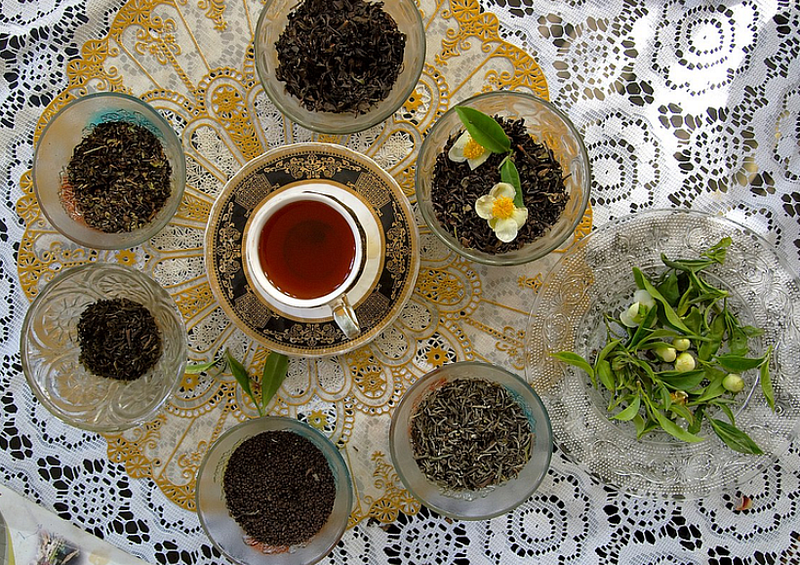
Darjeeling Tea Varieties by Vyacheslav Argenberg Wikimedia Commons Image License

Tea, a ubiquitous beverage of the modern era, has been enjoyed across centuries in a variety of ways. Old cookbooks provide insights into how people in the past prepared this fragrant drink.

Read on for 5 tea recipes from history for your next tea party for an authentically vintage tea drinking experience.
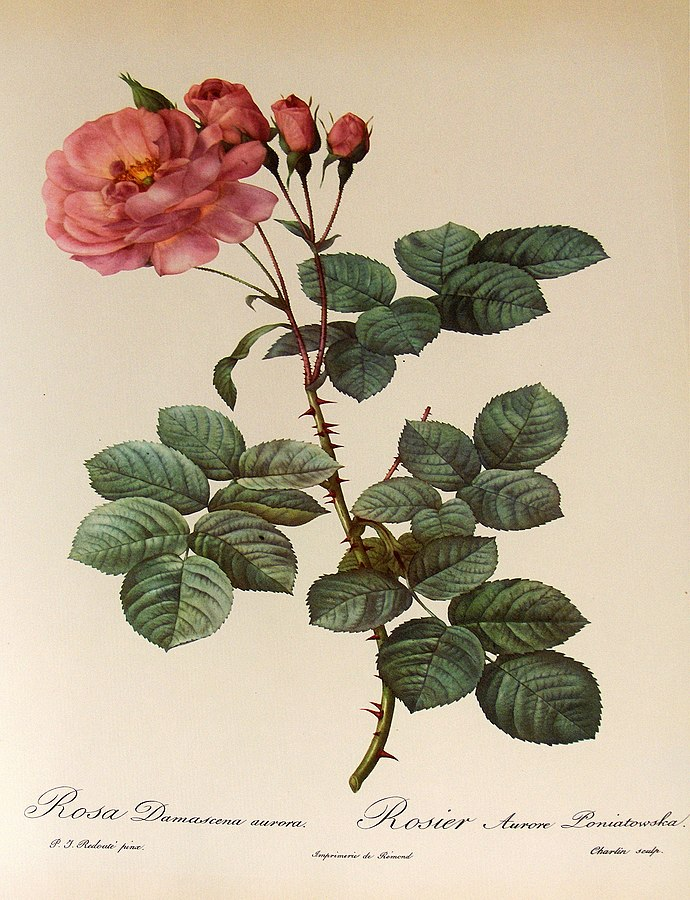
Rosa Damascena Wikimedia Commons Public Domain

#1 Rose Petal Tea

Rose petals flavored this 1920s tea recipe for hot or iced tea. The Turkish preserved rose petals recommended for flavoring the tea likely refer to rose petal jam. Roses were an important ingredient in Turkish food, drink and cosmetics. Preserving fresh rose petals with sugar to create a jam-like paste has a long culinary history, with roots in Indo-Persia as a form of medicine.

ROSE PETAL TEA. A novelty is to serve Turkish preserved rose petals with hot tea; or to drop 1 or 2 fresh rose petals in ice tea glasses. They will float when glasses are filled. (p. 22)
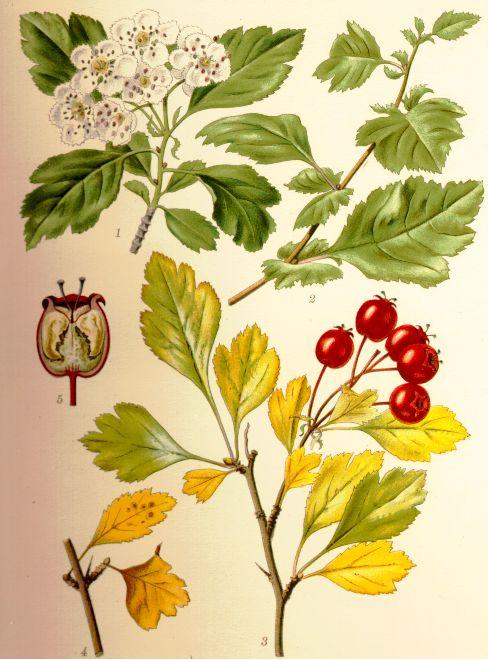
Hawthorn Wikimedia Commons Public Domain

#2 British Herb Tea

Herbal teas as a substitute for beverages made from the tea plant, camellia sinensis were commonly used for health and economic reasons. This British herb tea blend is a combination of culinary herbs — sage and balm with hawthorn leaves. Hawthorn, also known as mayflower, is a shrub from the rose family. Hawthorn tonics to treat heart conditions date back to 1st century Rome. American doctors in the 19th century used hawthorn to treat circulatory issues and respiratory diseases. The healing properties of hawthorn may be why this tea substitute is referred to as being beneficial for “nervous people.”

To make British Herb Tea. Take of hawthorn leaves, dried, two parts, sage and balm one part; mix these well together, and they will make an excellent and pleasant sanative tea, particularly wholesome to nervous people. (p. 196)
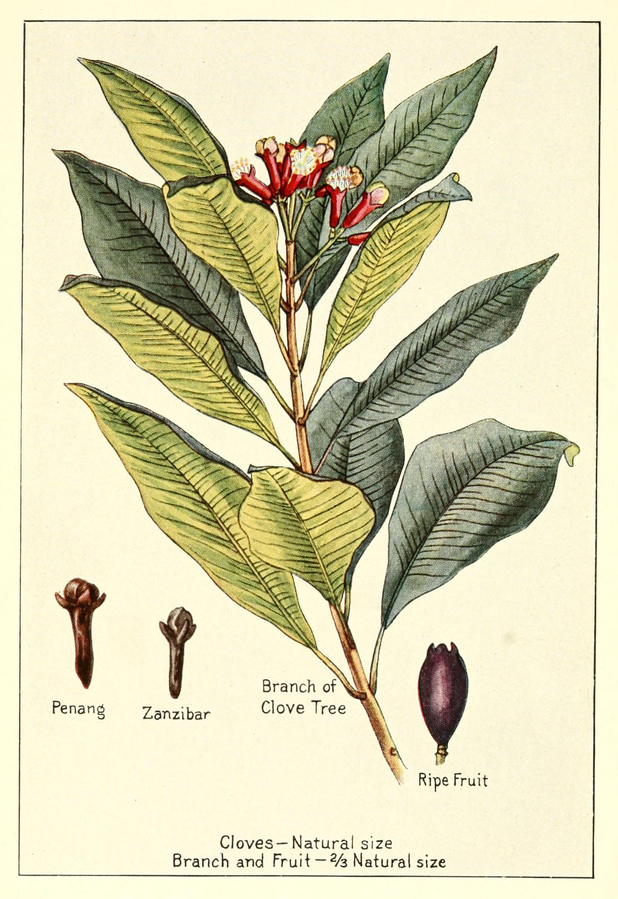
Cloves Wikimedia Commons Public Domain

#3 Tea with Cloves

Cloves have been added to beverages for centuries. Masala chai, which derives most of its flavor from cloves, began as an Ayurvedic tonic in an ancient royal court of modern-day India.

Cloves were also used to add flavor to black tea, according to this 1920s cookbook, which contains numerous suggestions for adding unique flavorings to tea using fruits, herbs and flowers.

Cloves. Stick in the lemon slices or put in the cup, 3 to a cup. (p. 61)
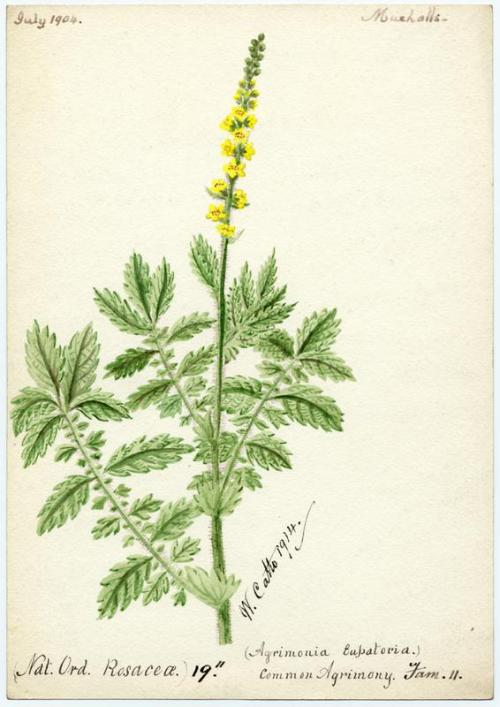
Common Agrimony Wikimedia Commons Public Domain

#4 Floral and Herb Tea

Flowers and herbs were also combined together to create flavorful tea substitutes. This 1850 recipe is a mixture of several herbs with roses and cowslip flowers. The herbs septfoil, also known as tormentil or potentilla, and agrimony feature as main ingredients in this tea. Agrimony has a mild, sweet, slightly astringent flavor, while potentilla leaves taste like cucumber with a hint of sage. These flavors must have lent themselves well to tea, since potentilla and agrimony were common additions to 19th century tea substitute recipes.

The following herbs are said to be agreeable, used for the same purpose:–Equal quantities of septfoil, balm, wild marjoram, and agrimony; one-fourth part of each of these — black currant leaves, cowslip flowers, and red roses. As each herb or flower is procured, cut them into small bits, and mix with the rest. Let them all be carefully and completely dried, and then put them into canisters for use. (p. 150)
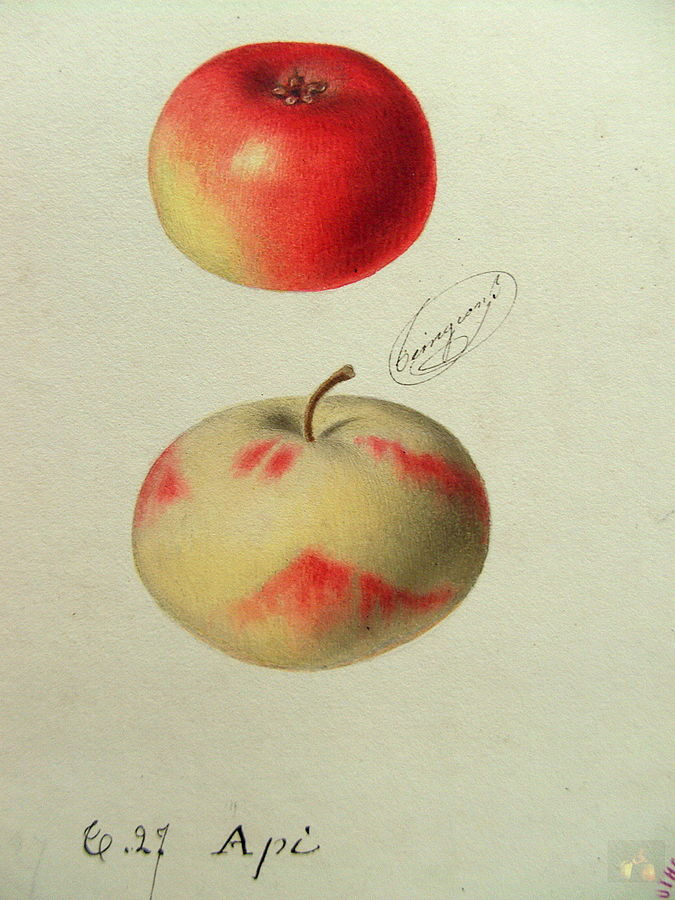
Lady Apple Wikimedia Commons Public Domain

#5 Lady Apple Tea

Fruit syrups were used to sweeten and flavor black tea. This 1865 recipe uses a syrup made from lady apples, a French heirloom variety of apple. First discovered in the forest of Api in Brittany, France lady apples were also called Pomme d’Api. These petite apples were not only used in food and drink, but were also incorporated in Christmas garlands and wreaths.

LADY-APPLE TEA. Pare, quarter, and core lady-apples; boil them for a few minutes in water, then take them out, let them drain, and throw them in sugar boiled to syrup ; then boil till they are cooked to conserves, then let them cool, and put them in jars, tightly closed. To obtain the infusion, make the quantity of tea required in the usual manner ; put a dessertspoonful of the prepared apples and syrup, for each cup, into a porcelain vessel ; pour the boiling tea over it ; let it cool a little, and serve. This is a refreshing beverage. (p. 318)

Whether your tea preferences are for traditional black tea, or unusual herbal blends, this look at historic ways of preparing teas reflects the culinary creativity of flavoring this timeless beverage.

Thank you for reading!

If you love history, plants or the history of plants, consider supporting Plant Based Past by buying me a coffee!

For more vegan, vegetarian, and botanical histories, follow Plant Based Past on Medium.

You can sign up for email alerts to receive the next story when it becomes available, just by clicking the envelope icon.

Next Week: Practical Necessity to Genteel Pastime: A Vegetarian History of Gardening

Vegan
Vegetarian
Tea
History
Herbal
Recommended from ReadMedium