avatarDanielle Herring

Free AI web copilot to create summaries, insights and extended knowledge, download it at here

4122

Abstract

the leaves of the plant. The French translation of the Latin name to dent de lion was eventually Anglicized to the more well-known name, dandelion.</p><blockquote id="f8c5"><p>FLOWER SOUP. Mix and beat together 5 ½ oz Young Cucumbers peeled and grated, Tomatoes peeled and macerated or Rhubarb juice, 1 oz Nasturtium Flowers Hyacinth, Bean Flowers or Dandelion Flowers minced, ¼ oz Parsley minced, 1 oz Pignolias or Peanuts flaked and at option ½ oz Olive Oil (spoonful) and serve. (p. 44)</p></blockquote><figure id="ed10"><img src="https://cdn-images-1.readmedium.com/v2/resize:fit:800/0*SorXFPWNJgidnOUH"><figcaption>Artichoke Grown in Castroville by Dana Payne <a href="https://commons.wikimedia.org/wiki/File:Globe_Artichoke.jpg">Wikimedia Commons</a> <a href="https://creativecommons.org/licenses/by-sa/3.0/deed.en">Image License</a></figcaption></figure><h1 id="dc69">#3 Artichokes À L’Italienne</h1><p id="eae8">While artichokes may seem like a surprising edition to this list, they are botanically the edible flower bud of a <a href="https://aggie-hort.tamu.edu/archives/parsons/publications/vegetabletravelers/artichoke.html#:~:text=The%20artichoke%20belongs%20to%20the,and%20thousands%20of%20other%20species">thistle</a>. Artichokes were first cultivated in western and central Mediterranean regions, and introduced to Egypt approximately 2000 years ago. Artichokes were originally cultivated for their leaves, eating the flower bud of the plant was a relatively more recent practice. This <a href="https://archive.org/details/frenchcookingfor0000ches/page/224/mode/1up">recipe</a> for herb-seasoned artichokes that dates to the 1920s is a vintage spin on this edible flower that feels completely modern.</p><blockquote id="15e5"><p>291. — ARTICHOKES À L’ITALIENNE (Artichauts à L’Italienne.) Boil some artichokes. Divest them of all their top leaves and take out the choke. The few remaining very tender leaves that are near the choke may have their tips cut down with scissors. Make a vinaigrette sauce. Finely chop a good spoonful of green capers, some chervil, chives, and parsley. Put these into a bowl, Add a spoonful of salt, and white pepper, a very large spoonful of French Dijon mustard, and a large spoonful of tarragon vinegar. Mix all well together and lay the artichokes in a deep entree dish — china or glass. Pour the mixture of herbs and seasoning over the artichokes placing a small green mound on each. Then very carefully pour four or five spoonfuls of very good olive oil over them. This dish may be served as a salad or a vegetable. (p. 224)</p></blockquote><figure id="49e5"><img src="https://cdn-images-1.readmedium.com/v2/resize:fit:800/0*mPdfMUynIdHZ7Ac9"><figcaption>Orange Blossom Flowers by LauraGh91 <a href="https://commons.wikimedia.org/wiki/File:Orange_Blossom_Flower.jpg">Wikimedia Commons</a> <a href="https://creativecommons.org/licenses/by-sa/4.0/deed.en">Image License</a></figcaption></figure><h1 id="b387">#4 Orange Flower Marmalade</h1><p id="307f">The culinary use of <a href="https://blog.metmuseum.org/cloistersgardens/2011/03/18/orange-blossom-special/">orange blossoms</a> dates to the 16th century in Europe, where orange blossom water added the flower’s delicate flavor to sweet recipes. <a href="https://specialtyproduce.com/produce/Orange_Blossoms_8808.php#:~:text=Orange%20blossoms%20were%20spread%20to,dishes%20at%20Versailles%20in%20France.">Orange blossoms</a> were incorporated into dishes served at the Palace of Versailles. Following this trend, 18th and early 19th century cookbooks featured recipes for <a href="https://www.google.com/books/edition/The_Complete_Confectioner_Or_Housekeeper/A34EAAAAYAAJ?hl=en&amp;gbpv=1&amp;dq=orange%20flower&amp;pg=PA87&amp;printsec=frontcover">candies</a> and <a href="https://www.google.com/books/edition/The_Complete_Confectioner_Or_Housekeeper/A34EAAAAYAAJ?hl=en&amp;gbpv=1&amp;pg=PA87&amp;printsec=frontcover">preserves</a> that included orange blossoms. This 1859 <a href="https://www.google.com/books/edition/The_household_encyclop%C3%A6dia_or_Family_di/SQMUAAAAQAAJ?hl=en&amp;gbpv=1&amp;pg=PA275&amp;printsec

Options

=frontcover">recipe</a> for an orange blossom marmalade reflects this edible flower’s continued popularity through the Victorian era.</p><blockquote id="8fa1"><p>ORANGE-FLOWER MARMALADE Take 1 lb of orange flowers and 2 lbs of sugar ; take the fibres¹ from the flowers, which throw into a saucepan of cold water. When all are done squeeze over them the juice of one large or two small lemons, and set this on the fire, constantly stirring till the flowers give to the touch ; then take them out, and lay them on a sieve, pouring cold water on them till they are quite cold ; put them into a mortar, and pound them to a sort of paste, with which mix the sugar, boiled to boulet²; boil them together a few times, then take it off, and mix with it 1 lb. of apple jelly. As soon as they are thoroughly incorporated the marmalade may be put into pots, which most not, however, be covered till cold. (p. 275)</p></blockquote><figure id="75f5"><img src="https://cdn-images-1.readmedium.com/v2/resize:fit:800/0*f_4yZdgyVw9k6Iin"><figcaption>Viola Tricolor by Arnstein Rønning <a href="https://commons.wikimedia.org/wiki/File:Viola_tricolor.JPG">Wikimedia Commons </a><a href="https://creativecommons.org/licenses/by/3.0/deed.en">Image License</a></figcaption></figure><h1 id="1e84">#5 Violet Balls</h1><p id="465c">Violets have been popular for their flavor and fragrance for centuries. <a href="https://www.shakespeare.org.uk/explore-shakespeare/blogs/sweet-sound-breathes-upon-bank-violets-meaning-violet-shakespeares-plays/">Violets</a> were Queen Victoria’s favorite flower, which sparked a 19th century craze for the flower in not only perfumes and cosmetics, but as a flavoring in candies and desserts. This <a href="https://www.google.com/books/edition/Home_Made_Candies_and_Other_Good_Things/wepEAQAAMAAJ?hl=en&amp;gbpv=1&amp;pg=PA60&amp;printsec=frontcover">recipe</a> for violet-coated almond candy is a Victorian-era example of how edible flowers were enjoyed in this era.</p><blockquote id="0646"><p>VIOLET BALLS. Grate a tea-cup of blanched sweet almonds, Make a smooth cream of two cups of white sugar, a pinch of cream of tartar, a little cold water. If it will form a soft jelly, when tried in cold water, remove from the fire and beat to a cream. Work in the grated almonds; flavor with heliotrope³, the kind also used for perfumery. Have ready a few preserved violet leaves⁴ mashed fine. Form the cream into balls, and roll each in the powdered violet leaves. Very choice. (p. 60)</p></blockquote><p id="8373">People today are still inspired by the color, fragrance, flavor and beauty of flowers. These recipes from history show that springtime’s floral flavors are timeless.</p><p id="30ad"><b>Notes:</b></p><ol><li><a href="https://dictionary.cambridge.org/us/dictionary/english/fibre">Fibres</a> UK spelling of <a href="https://dictionary.cambridge.org/us/dictionary/english/fiber">fiber</a>.</li><li><a href="https://www.exploratorium.edu/explore/cooking/candy-making-stages">Soft-ball</a> stage of sugar boiling in candy making.</li><li><a href="https://plants.ces.ncsu.edu/plants/heliotropium-arborescens/#:~:text=All%20parts%20of%20the%20plant,or%20when%20hay%20is%20contaminated.%5C">Heliotrope</a> is poisonous, if you want to try this recipe at home, you could replace the heliotrope with vanilla extract, which has a similar flavor.</li><li>Leaves in this context refers to the <a href="https://www.britannica.com/science/petal">petals</a> of the violet flower.</li></ol><p id="76ea"><b><i>Thank you for reading!</i></b></p><p id="4be4">If you love history, plants or the history of plants, consider supporting <i>Plant Based Past</i> by buying me a <a href="https://ko-fi.com/danielleherring">coffee</a>!</p><p id="380b">For more vegan, vegetarian, and botanical histories, follow Plant Based Past on Medium.</p><p id="6922">You can sign up for email alerts to receive the next story when it becomes available, just by clicking the envelope icon.</p><p id="0760"><b>Next Week: <i>Birds of a Feather: How the Audubon Society and Vegetarians Shaped the History of Millinery</i></b></p></article></body>

5 Vegan Edible Flower Recipes from the Past to Welcome Spring
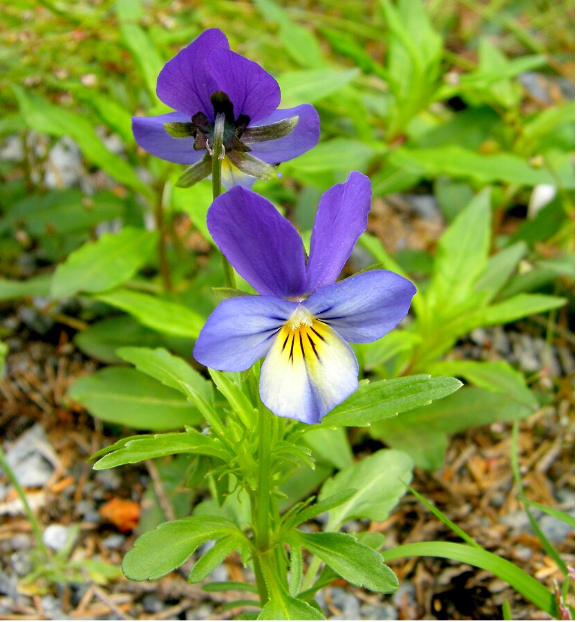
Viola Tricolor by Arnstein Rønning Wikimedia Commons Image License

Edible flowers are considered to be a growing trend in modern food among both professional chefs and home cooks. Incorporating flowers into cuisine isn’t a new concept at all, older cookbooks reflect the use of flowers in sweet and savory foods in earlier eras. Spring’s official start in the Northern hemisphere this year begins on March 19, and in celebration of the return of sunshine, warmer weather and blooming flowers, here are five recipes from the past featuring edible flowers.
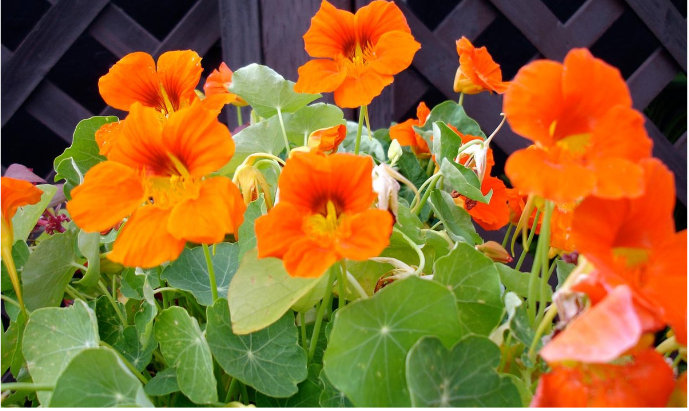
Tropaeolum majus by daryl_mitchell Wikimedia Commons Image License

#1 Nasturtium Salad

Peppery in flavor and bold in color, Renaissance era botanists named this flower nasturtium, meaning nose-twister because of its spicy fragrance. Native to South America, nasturtiums were first incorporated into salads by the ancient Incas. This salad recipe from 1896 combines nasturtium with two other plants indigenous to South America — tomatoes and potatoes.

Nasturtium Salad. Slice cold boiled potatoes and ripe tomatoes in equal quantities, lay in a salad bowl in alternate layers, sprinkling over each a little chopped chives. Around the edge of the bowl lay a border of nasturtium leaves and blossoms allowing the long stems to reach the bottom of the bowl. Be sure no insects remain on the blossoms. Pour over them a dressing of oil and diluted lemon-juice, and set on ice for at least two hours. When ready to serve toss all lightly together. (p. 160)
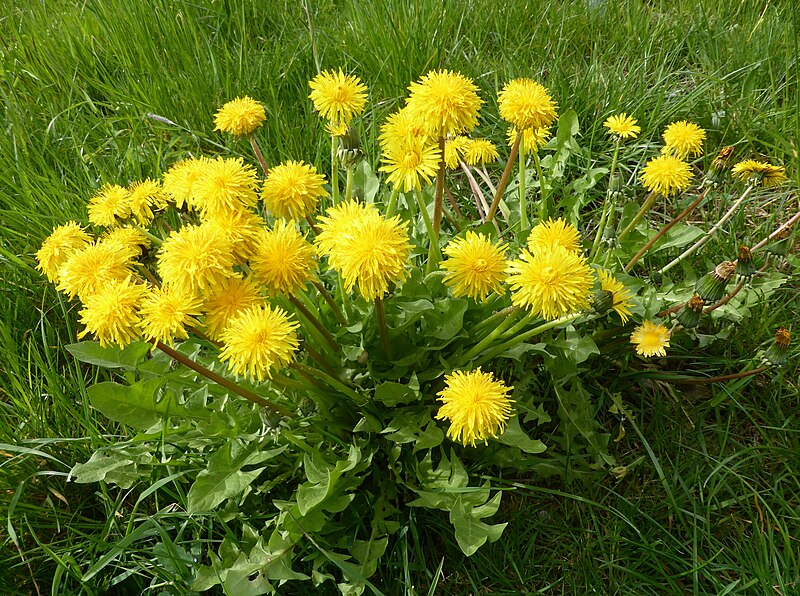
Dandelions by Rosa-Maria Rinkl Wikimedia Commons Image License

#2 Flower Soup

Dandelions, a suggested garnish for this soup recipe from 1912, have long been used in medicine and food across Asia and Europe where Taraxacum officinale originated. The name dandelion originated from Latin — Dens Leonis, meaning lion’s teeth, likely inspired by the shape of the leaves of the plant. The French translation of the Latin name to dent de lion was eventually Anglicized to the more well-known name, dandelion.

FLOWER SOUP. Mix and beat together 5 ½ oz Young Cucumbers peeled and grated, Tomatoes peeled and macerated or Rhubarb juice, 1 oz Nasturtium Flowers Hyacinth, Bean Flowers or Dandelion Flowers minced, ¼ oz Parsley minced, 1 oz Pignolias or Peanuts flaked and at option ½ oz Olive Oil (spoonful) and serve. (p. 44)
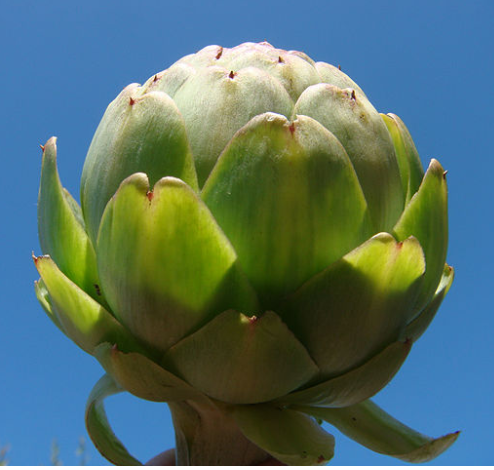
Artichoke Grown in Castroville by Dana Payne Wikimedia Commons Image License

#3 Artichokes À L’Italienne

While artichokes may seem like a surprising edition to this list, they are botanically the edible flower bud of a thistle. Artichokes were first cultivated in western and central Mediterranean regions, and introduced to Egypt approximately 2000 years ago. Artichokes were originally cultivated for their leaves, eating the flower bud of the plant was a relatively more recent practice. This recipe for herb-seasoned artichokes that dates to the 1920s is a vintage spin on this edible flower that feels completely modern.

291. — ARTICHOKES À L’ITALIENNE (Artichauts à L’Italienne.) Boil some artichokes. Divest them of all their top leaves and take out the choke. The few remaining very tender leaves that are near the choke may have their tips cut down with scissors. Make a vinaigrette sauce. Finely chop a good spoonful of green capers, some chervil, chives, and parsley. Put these into a bowl, Add a spoonful of salt, and white pepper, a very large spoonful of French Dijon mustard, and a large spoonful of tarragon vinegar. Mix all well together and lay the artichokes in a deep entree dish — china or glass. Pour the mixture of herbs and seasoning over the artichokes placing a small green mound on each. Then very carefully pour four or five spoonfuls of very good olive oil over them. This dish may be served as a salad or a vegetable. (p. 224)
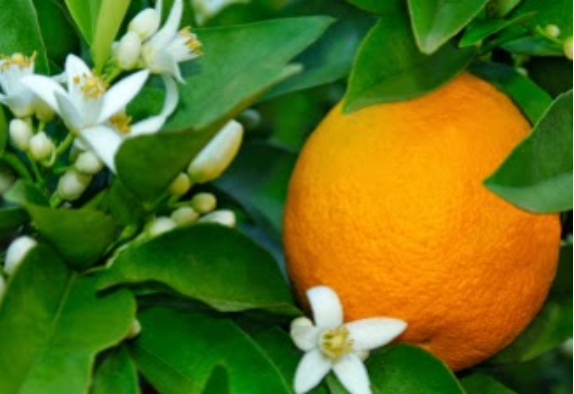
Orange Blossom Flowers by LauraGh91 Wikimedia Commons Image License

#4 Orange Flower Marmalade

The culinary use of orange blossoms dates to the 16th century in Europe, where orange blossom water added the flower’s delicate flavor to sweet recipes. Orange blossoms were incorporated into dishes served at the Palace of Versailles. Following this trend, 18th and early 19th century cookbooks featured recipes for candies and preserves that included orange blossoms. This 1859 recipe for an orange blossom marmalade reflects this edible flower’s continued popularity through the Victorian era.

ORANGE-FLOWER MARMALADE Take 1 lb of orange flowers and 2 lbs of sugar ; take the fibres¹ from the flowers, which throw into a saucepan of cold water. When all are done squeeze over them the juice of one large or two small lemons, and set this on the fire, constantly stirring till the flowers give to the touch ; then take them out, and lay them on a sieve, pouring cold water on them till they are quite cold ; put them into a mortar, and pound them to a sort of paste, with which mix the sugar, boiled to boulet²; boil them together a few times, then take it off, and mix with it 1 lb. of apple jelly. As soon as they are thoroughly incorporated the marmalade may be put into pots, which most not, however, be covered till cold. (p. 275)
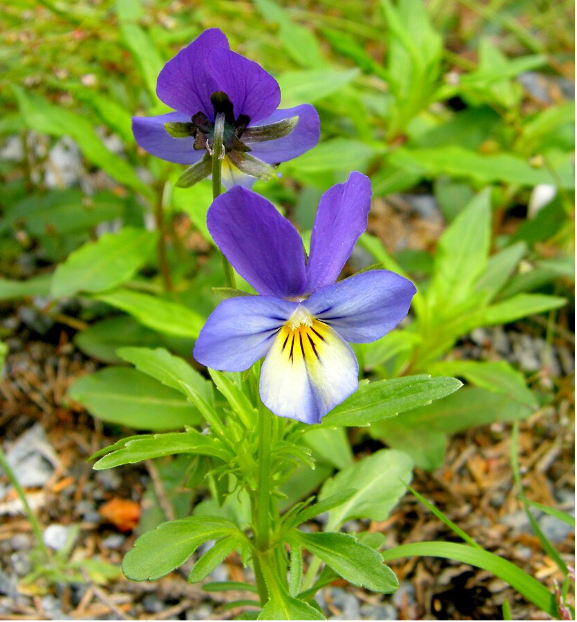
Viola Tricolor by Arnstein Rønning Wikimedia Commons Image License

#5 Violet Balls

Violets have been popular for their flavor and fragrance for centuries. Violets were Queen Victoria’s favorite flower, which sparked a 19th century craze for the flower in not only perfumes and cosmetics, but as a flavoring in candies and desserts. This recipe for violet-coated almond candy is a Victorian-era example of how edible flowers were enjoyed in this era.

VIOLET BALLS. Grate a tea-cup of blanched sweet almonds, Make a smooth cream of two cups of white sugar, a pinch of cream of tartar, a little cold water. If it will form a soft jelly, when tried in cold water, remove from the fire and beat to a cream. Work in the grated almonds; flavor with heliotrope³, the kind also used for perfumery. Have ready a few preserved violet leaves⁴ mashed fine. Form the cream into balls, and roll each in the powdered violet leaves. Very choice. (p. 60)

People today are still inspired by the color, fragrance, flavor and beauty of flowers. These recipes from history show that springtime’s floral flavors are timeless.

Notes:

  1. Fibres UK spelling of fiber.
  2. Soft-ball stage of sugar boiling in candy making.
  3. Heliotrope is poisonous, if you want to try this recipe at home, you could replace the heliotrope with vanilla extract, which has a similar flavor.
  4. Leaves in this context refers to the petals of the violet flower.

Thank you for reading!

If you love history, plants or the history of plants, consider supporting Plant Based Past by buying me a coffee!

For more vegan, vegetarian, and botanical histories, follow Plant Based Past on Medium.

You can sign up for email alerts to receive the next story when it becomes available, just by clicking the envelope icon.

Next Week: Birds of a Feather: How the Audubon Society and Vegetarians Shaped the History of Millinery

Food
History
Vegetarian
Vegan
Flowers
Recommended from ReadMedium