
5 Unusual Ways Coffee is Voting For You
Coffee is the perfect metaphor for life.
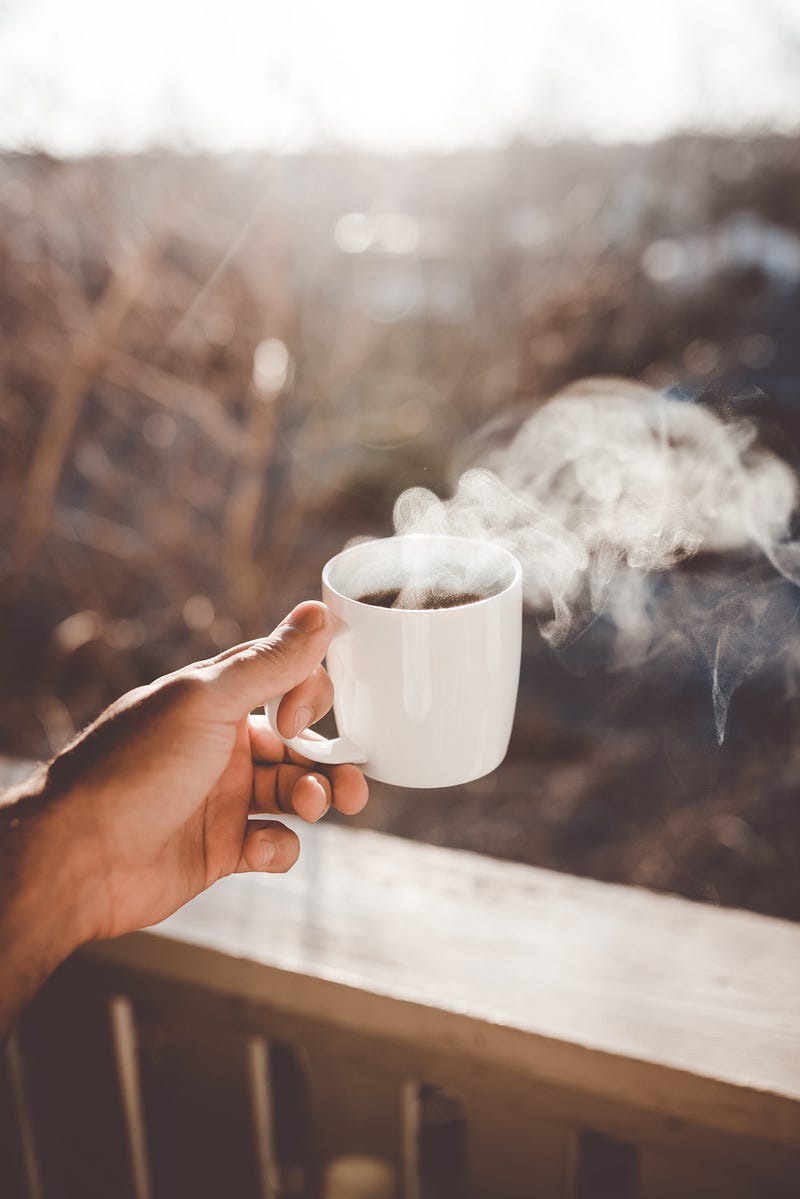
I recently pitched to write for a small coffee grower here in Australia. I had to do some research before pitching them as my knowledge about coffee is:
“Good morning Gail, can I have a piccolo, followed by a small oat milk latte and an almond croissant, please.’
I change it up occasionally, to remain windswept and interesting. I sometimes order a short black, a long black or no latte. Yes, I am that kind of renegade.
My research has been thought-provoking and is in danger of making me stop drinking my favourite libation. I love that word, libation, say it with me libation.
Coffee apart from being delicious, is a drug, an economic leveller, an environmental destroyer, a personality gauge and part of colonization history that is frankly, horrifying.
My morning cup of joe has just gotten a whole lot more interesting.
Coffee is not just refreshment. It has taken on a symbolic value as part of our day to day living of life.
The ritual associated with coffee-drinking is much more important than the simple act of drinking coffee.
For me, my morning cup of coffee is the centre of my personal routine, it’s the way I start most days.
My morning coffee is usually followed by my later in the day coffee. I meet my friends and family for coffee at least 3 or 4 times a week. This is the primary way I socialize these days, and I am much more interested in talking to my friends than I am in drinking the coffee.
But we socialize around the ritual of having coffee.
Coffee is a drug because it contains caffeine, and is the most popular psychoactive drug in the world. There is rigorous scientific evidence to back up caffeine's stimulating effect on the brain.
Most coffee drinkers do not need science to tell them that. Over 90% of Americans aged over 18 drink one cup or more of coffee every day.
Coffee is a habit-forming substance, but I don’t think of myself as a drug user. I interrogated my mother at lunch this afternoon, as to her drug addiction habits. She also drinks coffee every day.
“So mum, can I hook you up with your drug of choice with Lunch today” She looks at me strangely then whispers.
“Alex I don’t take drugs” She gives the guy at the table next to us the side-eye just in case he has heard me offering her ‘drugs’.
“Oh, yes, you do. You are a drug user. I have been researching a piece I’m writing, and I am delighted to tell you, you take drugs on the daily” I pause for dramatic and immature effect.
“You’re like the urban housewife equivalent of a crack whore” My sweet, gentle Salvos volunteer mother looks at me horrified.
“A what? Brian (that’s my father), are you listening to this?
She looks at my dad, who is busy trying to answer a text message. He looks up startled and says:
“Yes, yes darling, crack whore’. Clearly doing the opposite of listening.
“Do you like being married to a crack whore Brian? she stops. “Is that fun for you, Brian?”
“Yes, yes, darling, its great fun. Alex, how do I reply to this message, I appear to have sent it to everyone on my contact list a picture of my ingrown toenail?” He looks at me, pleadingly.
“Dad, your wife is concerned that you find her recently minted title of crack whore, unalarming,” I emphasise, taking the phone from him.
He looks over at my mother “Whats a crack whore?”
I love having lunch with my parents. My Dad is in his late 70’s, and here we are sitting in a posh restaurant talking about my mother ‘the crack whore’.
“Mum is addicted to coffee, it’s ok lots of people are” I explain “I was just comparing her to a crack whore. A crack whore is a not nice term for someone who has sex for money, in order to buy cocaine” I finish.
“Alex, your mother does not have sex for cocaine.”
Well, I’m glad he cleared that up.
In Australia and most of the western world, alcohol and coffee are socially acceptable drugs. Cocaine is not.
We tolerate mind-altering drugs such as caffeine and alcohol, but many societies don’t. I begin to wonder if they made coffee illegal would I become that person, sneaking down some dark alley in the rain to get my fix.
“Gail, do you have any of the dark single roasted, organic fair trade arabica blend” I’d ask in hushed tones.
“I’ve only got Nescafe powdered instant, its $50 for a tablespoon.”
“I’ll take it” I’d say, handing her my grubby fifty dollar note
I would. I definitely would be that person.
When I drink coffee, I am part of a are elaborate set of global social and economic interactions. There is a vast global production chain associated with coffee. It’s grown in poorest parts Asia, Africa and Latin America, by farmers that are at the mercy of huge multinational corporations. Many of these growers earn less than 1 cent per cup of coffee.
Once brought from the growers at rock bottom prices in is then shipped to wealthy Western Countries where it is roasted, ground, packaged and branded.
Then to be transported again to coffee shops all over the world.
As you can imagine . . .
It gets worse or better depending on who your batting for.
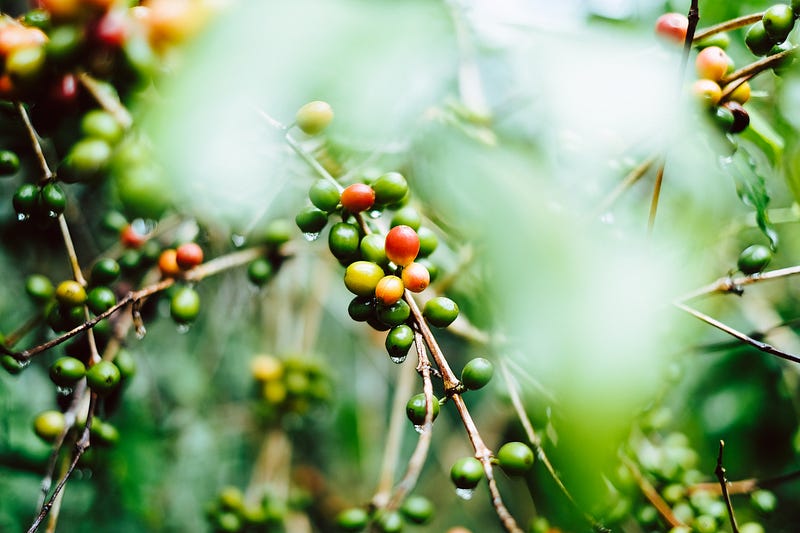
Historically, the production and consumption of coffee all started with colonialism. A period in history where European powers invaded Asia, Africa and Latin America and set up ‘colonies’ which specialized in particular crop production. Tea, coffee, sugar, and bananas were grown using colonised largely slave labour.
These goods were then transported back to the ‘mother countries’ — the fact that coffee is grown in considerable quantities in countries such as Colombia and Indonesia is a legacy of the colonial era.
Drinking coffee ties us into relations with some of the world’s largest Corporations — such as Nestle and Starbucks .
These corporations have been accused of exploiting coffee pickers by paying very little for the coffee they buy to maximize their profits. So ‘coffee as usual’ perpetuates global capitalism.
There is now ‘fair trade coffee’, so purchasing coffee involves making ethical choices about whether you go for the cheapest cup or pay extra to give the farmers a chance of a decent wage.
There are concerns about the environmental impact of growing coffee.
When any product is ‘factory farmed’, it depletes the soil and reduces biodiversity in a local area. Not to mention to pollution associated with shipping the product several thousand miles around the globe.
Then, of course, the disposable cups, single-use pods and the greenhouse effects of animal produced milk.
Well, it all starting to put me off my favourite drink.
I wish I had never offered to write for this company now.
I am not about to give up coffee, apart from alcohol, chocolate, binging Netflix, never exercising, procrastinating and a mild addiction cat videos on youtube it's my only vice!
But I am definitely going to use a reusable cup.
Most takeaway coffee cups are lined with a waterproof plastic called polyethene, not only making them non-recyclable but also a contaminant. That gets sent to landfill.
In Australia alone, 50,000 coffee cups go into landfill every 30 minutes.
If just 2 million people choose to reuse their cup only once a week, it will save 104 million cups a year from landfill.
The ‘recycling’ thing I realise now is a way to make me, the consumer feel better. Righteous even.
“Look at me, I am all woke and everything. I recycle.”
Recycling still takes carbon water and raw materials. Compostable is the new recycling.
You can also . . .
Drink your coffee black, or with plant-based milk.
Where you buy coffee, ask the owner where they source their beans or choose somewhere they serve fair trade ethically sourced coffee.
Drinking coffee is globally impactful, and your decisions reflect your position within the wider society. Every choice you make is a vote for how the world should be.
Vote wisely. On that very sober note, I am off to have dinner with my sister.
She phoned me an hour ago:
“Alex, Come and have dinner with me and the kidlets. Don’t talk about mum being a crack whore. Eddie ( my five-year-old niece) still asks me why daddy has to go to prison every two weeks”.
That my friends is another story:)


