
5 Types Of Narcissists To Use In Your Next Story
Spice up your novel that no one will be able to put down
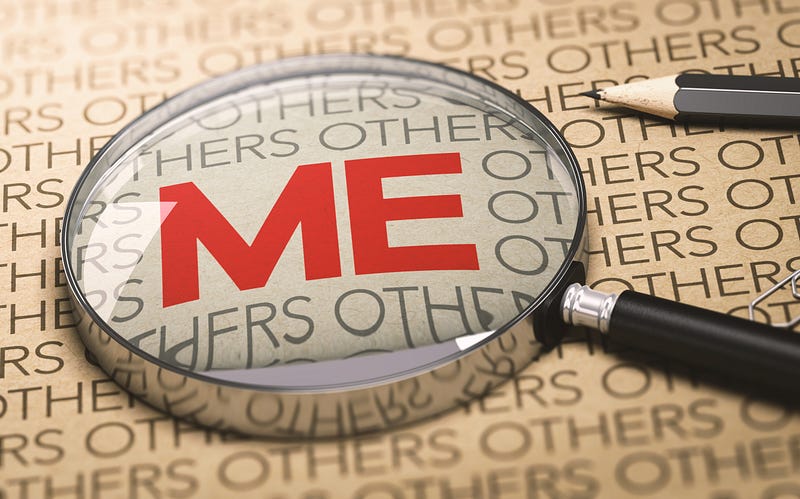
Let’s face it. Is there anything more delicious than an anti-hero? A controlling personality? Fabulous narcissists?
Of course not. We love these characters. Or do we say we love to hate them?
However, the term ‘narcissist’ can be over-used, a catchall phrase for any selfish behavior.
Yes, we can all have some of these characteristics. Have you ever let slip a remark you wish you could take back as soon as you said it?
A true narcissist has taken the art of self-obsession to the next level.
This type of personality rarely shows any empathy or shame. They never consider anyone’s feelings. Sometimes, this type of disorder makes them downright dangerous.
Sure, some sense of self-importance is healthy. It keeps people from walking all over us. However, the narcissist has delusions of grandeur.
A typical narcissist is a master (or mistress) at manipulating and exploiting others. They can cause anything from financial ruin to sexual devastation.
Prominent American psychiatrist Dr. James F. Masterson once wrote that “for the narcissist, other people exist only the way a hamburger exists for them — to make them feel good. They may charm you and manipulate you to see how wonderful they are, he said, but as soon as they get your admiration, they’ll drop you.”
You may have encountered a narcissist in real life. In fiction, however, they have to be a little more over the top. Not only must they be extraordinary, but they must also match the theme or genre of your book.
Iconic Narcissists
1. What would you do differently if you knew there was no consequence? This is the powerful premise of a classic novel. In The Picture of Dorian Gray, Oscar Wilde creates a character who remains ageless while his portrait withers in an attic. He uses this ‘device’ to allow the main character to act out his pleasures and indulgences — even murder — with impunity.
2. Think of the character Patrick Bateman in American Psycho, The handsome young Wall Street broker’s singular pursuit of violence and sex becomes an unrestrained metaphor for materialism.
Of course, the narcissist isn’t just used in thrillers or moral fables.
1. The camp and vainglorious Gaston in Disney’s Beauty and the Beast adds a dash of humor to the story. Luke Evans played the character in the live-action remake.
2. The miserable and selfish mother in August: Osage County, is a character many adult children can relate to.
7 Types of Narcissists To Use In Your Next Story
It’s irresistible to include a narcissist in your story or book. Try these on for size.
1. What Lies Beneath
The covert narcissist hides in the shadow. The character uses stealth and cunning to manipulate events and characters in the story.
On the surface, they appear quite ‘normal’. They can be charming and successful, or appear to be shy and sensitive.
2. Mommy
This person doesn’t have to be a stranger or romantic interest. The parent as a narcissist is another character to explore.
The narcissistic mother, father, or caregiver can be a dominant character in the fictional family. They see them as extensions of their personality. Sometimes they will use words as weapons in cruel warfare. They have no boundaries when it comes to their children.
3 A Smooth Criminal
This criminal narcissist is a wonderful character. How do you get inside their head — and see the world from their viewpoint? Their lack of conscience makes them perfect for the role of a nasty person.
It could be an ice-cold and remorseless assassin or a feared and notorious mafia member. It could be the rapist who sees his victim as an object there to experience their power.
5. When Romeo Becomes a Stalker
Now we have the romantic narcissist. This person who suffers from the Don Juan syndrome can be a man or woman who must conquer many lovers to validate their worth. In this story, you could have a narcissistic girlfriend or boyfriend. Their traits may show in emotional manipulation or physical abuse.
4. It’s Just Child’s Play
Kids who are evil or unbalanced make for great stories. While children, we must learn to separate from our parents and forge independence. However, the narcissistic child doesn’t do this. They will cling to their mother or father at all costs.
Often they can be golden and adored only (or adopted) children — and their parents unintentionally foster the child’s narcissism. The parents themselves may be narcissists.
6. Those Awful, Horrible Bosses
Have you had an encounter with the narcissistic boss? For most of us who spend eight hours a day in the workplace, you may much to draw on here. Now you have the opportunity to create a nasty manager or power-mad CEO.
Often this character can be a misogynistic man or a female megalomaniac.
7. Dangerous and Famous
These celebrities who cling to fame, are hungry narcissists and great characters. Whether it is the movie or music studio, this character feels a sense of self-importance and entitlement.
Dangerous Duos
You can also create a scenario where there is more than one narcissist in your story. What a kick to have two of these folks running around?
Play with these types and see how they can spice up your story or novel.
.


