avatarDanielle Herring

Free AI web copilot to create summaries, insights and extended knowledge, download it at here

3279

Abstract

amp;newbks=0&pg=PA290#v=onepage&q&f=false">vegetarian cookbook</a> recommends using molasses on toast to “supply well the deficiencies of the bread,” (p. 290) Modern nutritional science may agree with this claim, finding <a href="https://www.healthline.com/health/food-nutrition/benefits-blackstrap-molasses#1.-More-nutritious-than-refined-sugar">blackstrap molasses</a> to contain high levels of iron, calcium, magnesium, potassium and phosphorus.</p><blockquote id="066d"><p>MOLASSES TOAST. — Boil good molasses, strain it through a hair sieve¹ or a thin cloth; let it boil five minutes slowly, with two spoonfuls of oil to a pint; of the toast is dry and hard, dip it quickly in hot water, and then in the molasses; if fresh, in the molasses only.²</p></blockquote><h1 id="85b8">#3 Lentil Toast</h1><figure id="da35"><img src="https://cdn-images-1.readmedium.com/v2/resize:fit:800/0*uudKU2hBC2kdS3hF"><figcaption>Puy Lentils Wooden Bowl by Jessica Spengler <a href="https://commons.wikimedia.org/wiki/File:Puy_lentils_wooden_bowl.jpg">Wikimedia Commons</a> <a href="https://creativecommons.org/licenses/by/2.0/deed.en">Image License</a></figcaption></figure><p id="96c7"><a href="https://www.npr.org/2009/01/07/99054419/lentils-a-legume-for-the-ages">Lentils</a> have been cultivated as a food crop since approximately 8000 B.C. Dried lentils have even been found in ancient Egyptian tombs. <a href="https://archive.org/details/guidefornutcooke00lamb/page/395/mode/1up">Lentils</a> on toast was one late-Victorian era option for serving this ancient legume.</p><blockquote id="4f14"><p>LENTIL TOAST. Cook lentils until perfectly tender, and rub through a colander. To 1 pint of sifted lentils add ½ cup of nut cream and a little salt. If too thick, add more nut cream; but if too thin, thicken with a little flour rubbed smooth in cold water. Put a few spoonfuls of this lentil dressing on moistened slices of zwieback³. (p. 395)</p></blockquote><figure id="310b"><img src="https://cdn-images-1.readmedium.com/v2/resize:fit:800/0*mabCWOrGE1ckYMyf"><figcaption>Rhubarb by Øyvind Holmstad <a href="https://commons.wikimedia.org/wiki/File:PermaLiv_rabarprapai_22-06-20_1.jpg">Wikimedia Commons</a> <a href="https://creativecommons.org/licenses/by-sa/4.0/deed.en">Image License</a></figcaption></figure><h1 id="a193">#4 Rhubarb Toast</h1><p id="6880"><a href="https://www.smithsonianmag.com/history/sweet-sticky-history-the-date-180980983/">Dates</a> have been a revered fruit since antiquity in the Middle East and North Africa. Depictions of date palms can be found in the art and decor of ancient cultures from these regions of the world including on the walls of <a href="https://sites.middlebury.edu/museumvisualdescriptions/winged-genie-pollinating-the-date-palm/">Assyrian palaces</a>. Stewed rhubarb, sweetened with dates and English currants in the topping in this 1874 toast <a href="https://archive.org/details/hygeianhomecookb00tral/page/20/mode/2up?q=The+Hygeian+Home+Cookbook">recipe</a>.</p><blockquote id="83e3"><p>RHUBARB TOAST. Peel, and cut the stalks in pieces, put them in a stew pan, add a little water, some stoned dates, and a few English currants well picked and washed; let them all cook until done, and then pour them over the toasted bread.

Options

(p. 20)</p></blockquote><figure id="a9e3"><img src="https://cdn-images-1.readmedium.com/v2/resize:fit:800/0*4F0NdCrmALqF2-p3"><figcaption>Fruit Bowl by Yosarian <a href="https://commons.wikimedia.org/wiki/File:Fruit_bowl.jpg">Wikimedia Commons</a> <a href="https://creativecommons.org/licenses/by-sa/3.0/deed.en">Image License</a></figcaption></figure><h1 id="7781">#5 Fancy Fruit Toast</h1><p id="4195">Fruit is one of the most common toast toppings in vegetarian cookbooks from the Victorian era. <a href="https://archive.org/details/everydaydishesev00kell/page/134/mode/2up">Apples</a>, <a href="https://archive.org/details/everydaydishesev00kell/page/136/mode/2up">apricots</a>, <a href="https://archive.org/details/friendinkitcheno00colc/page/26/mode/2up">berries</a>, <a href="https://archive.org/details/guidefornutcooke00lamb/page/394/mode/2up">figs</a> and <a href="https://archive.org/details/guidefornutcooke00lamb/page/396/mode/2up">peaches</a> were some popular options. This <a href="https://www.google.com/books/edition/Vegetarian_Cook_book/xCZpsgip6RcC?hl=en&amp;gbpv=1&amp;pg=PA273&amp;printsec=frontcover">recipe</a> for “fancy fruit toast” is flexible in what kind of fruit is used, but instead includes instructions to create unique bread cutouts for serving any kind of stewed fruit.</p><blockquote id="fe80"><p>FANCY FRUIT TOAST From a two-pound loaf of white bread, cut slices. With a cutter made by having the rough edges melted from a quart tin can, cut a circle, and remove its center by means of a small cookie cutter. Toast these in a slow oven, and serve with whole fruit, the juice of which has been thickened with corn-starch. In serving this, place the toasted bread on the dish, and pour the fruit into the hollow center, and the juice around the outside. (p. 18)</p></blockquote><p id="e754">Toast has been a culinary staple across many cultures. These recipes are historical examples of how a popular food trend was adapted and incorporated into plant-based diets. The next time you’re out of avocados, take some inspiration from history for a unique breakfast or snack with these 5 vegan toast recipes from the past.</p><p id="befd"><b>Note:</b></p><ol><li>A fine mesh <a href="https://www.manuscriptcookbookssurvey.org/glossary/hair-sieve/">sieve</a>, originally made from horse or camel hair, now typically made from metal.</li><li>Vegetarian version of the recipe using dairy butter omitted from transcription.</li><li>19th century American English refers to <a href="https://www.google.com/books/edition/A_Friend_in_the_Kitchen/1MlQAQAAIAAJ?hl=en&amp;gbpv=1&amp;pg=PA26&amp;printsec=frontcover">zwieback</a> as a form of dry toast.</li></ol><p id="94ed"><b><i>Thank you for reading!</i></b></p><p id="cd97">If you love history, plants or the history of plants, consider supporting <i>Plant Based Past</i> by buying me a <a href="https://ko-fi.com/danielleherring">coffee</a>!</p><p id="d094">For more vegan, vegetarian, and botanical histories, follow Plant Based Past on Medium.</p><p id="efd9">You can sign up for email alerts to receive the next story when it becomes available, just by clicking the envelope icon.</p><p id="3305"><b>Next Week: <i>Illuminated by Plants: The History of Plant-Based Lighting</i></b></p></article></body>

5 Toast Recipes from the Past for When You’re Out of Avocados
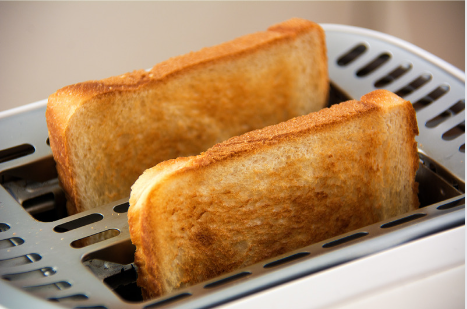
Slices of Toast in a Toaster by CordMediaDigitalServices Pixabay Image License

Avocado toast is trendy in this century, but its contentious history points to earlier origins.

Throughout history toast has been prepared in a variety of ways, its popularity rising 150 years ago in Victorian England. Vegetarians and vegans in the 19th and early 20th century were also fans of toast, evidenced by the numerous instructions on preparing toast found in vegetarian cookbooks and periodicals. Here are five vegan recipes for toast from the past.
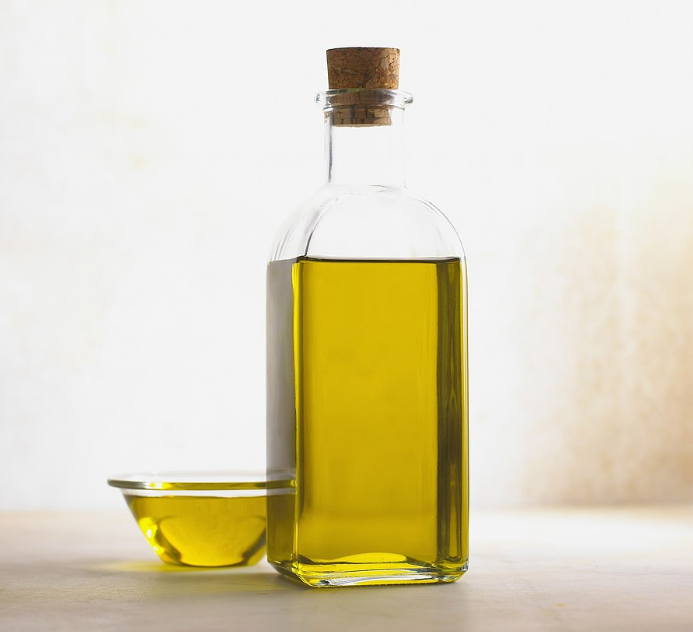
Bottle of Olive Oil by margenauer Wikimedia Commons Public Domain

#1 Oil Toast

Putting olive oil on toast has ancient Roman and Etruscan roots in the Tuscan recipe for fettunta, which literally translates to “oily slice.” Olive oil was a popular substitute for butter among Victorian era vegans and vegetarians. This 1883 recipe for olive oil toast was found in an issue of the vegetarian periodical The Dietetic Reformer.

THE BEST SUBSTITUTE FOR BUTTER I know is olive oil. Hot oil toast, with pepper and salt, is as good as fresh butter. The toast must be made of whole-meal bread, and oiled a little time before it is eaten. (p. 139)

#2 Molasses Toast
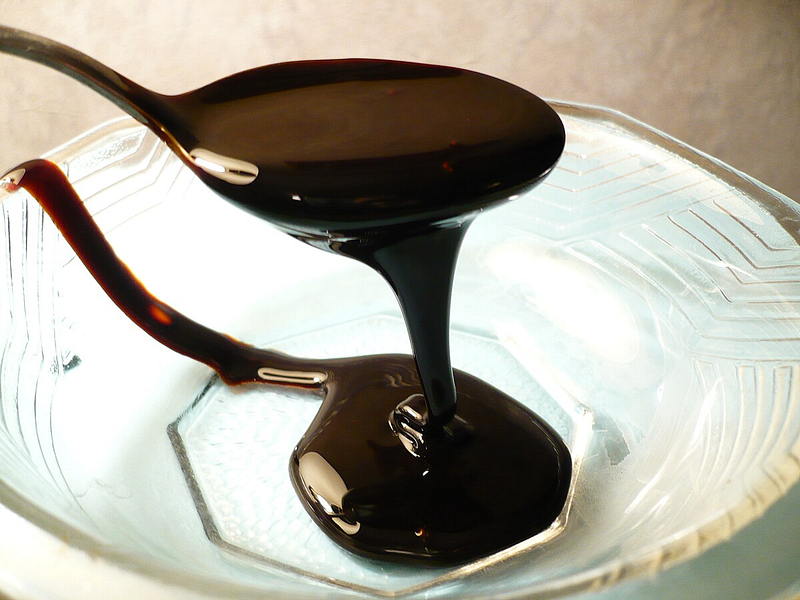
Black Strap Molasses by Badagnani Wikimedia Commons Image License

The process of extracting molasses from sugar cane was first developed approximately in the year 500 BCE, in India. This 1917 vegetarian cookbook recommends using molasses on toast to “supply well the deficiencies of the bread,” (p. 290) Modern nutritional science may agree with this claim, finding blackstrap molasses to contain high levels of iron, calcium, magnesium, potassium and phosphorus.

MOLASSES TOAST. — Boil good molasses, strain it through a hair sieve¹ or a thin cloth; let it boil five minutes slowly, with two spoonfuls of oil to a pint; of the toast is dry and hard, dip it quickly in hot water, and then in the molasses; if fresh, in the molasses only.²

#3 Lentil Toast
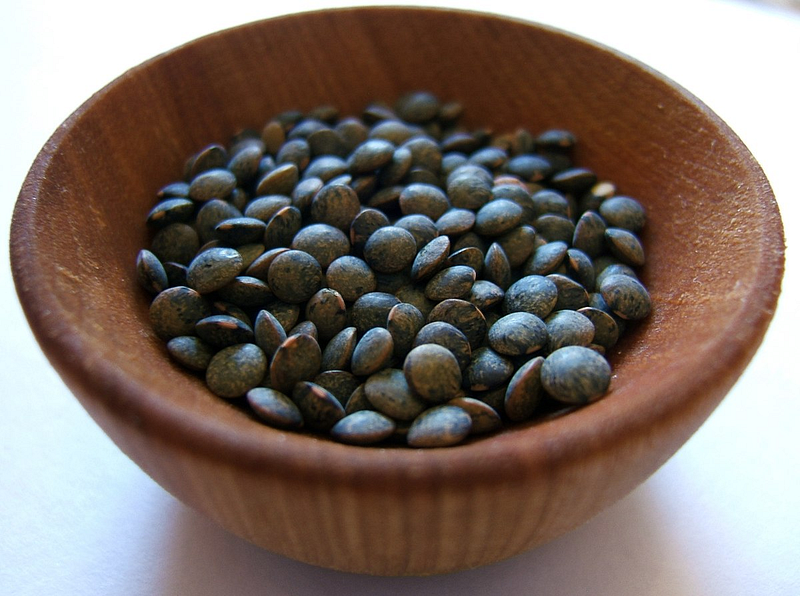
Puy Lentils Wooden Bowl by Jessica Spengler Wikimedia Commons Image License

Lentils have been cultivated as a food crop since approximately 8000 B.C. Dried lentils have even been found in ancient Egyptian tombs. Lentils on toast was one late-Victorian era option for serving this ancient legume.

LENTIL TOAST. Cook lentils until perfectly tender, and rub through a colander. To 1 pint of sifted lentils add ½ cup of nut cream and a little salt. If too thick, add more nut cream; but if too thin, thicken with a little flour rubbed smooth in cold water. Put a few spoonfuls of this lentil dressing on moistened slices of zwieback³. (p. 395)
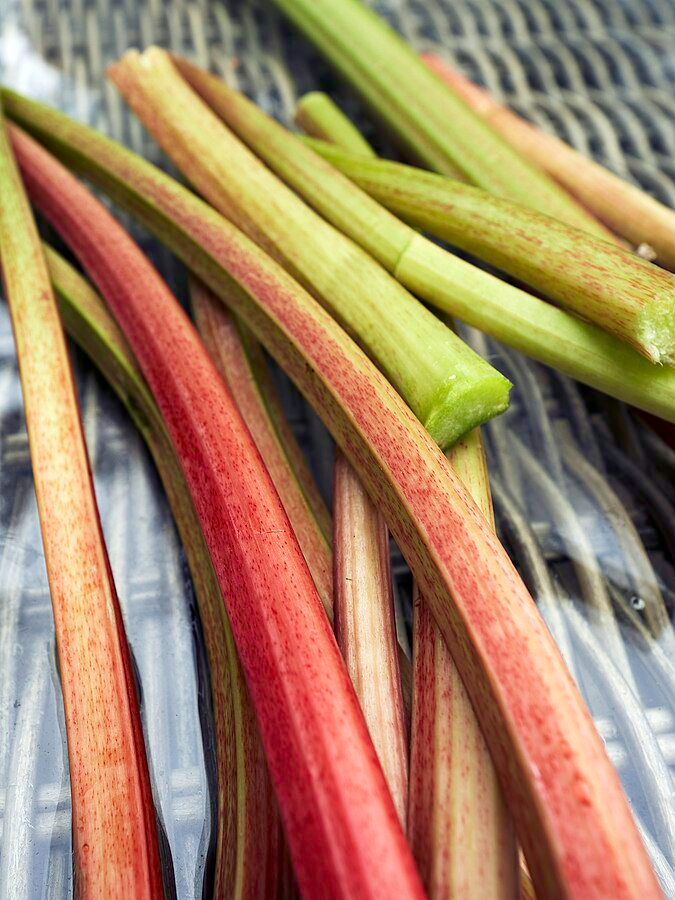
Rhubarb by Øyvind Holmstad Wikimedia Commons Image License

#4 Rhubarb Toast

Dates have been a revered fruit since antiquity in the Middle East and North Africa. Depictions of date palms can be found in the art and decor of ancient cultures from these regions of the world including on the walls of Assyrian palaces. Stewed rhubarb, sweetened with dates and English currants in the topping in this 1874 toast recipe.

RHUBARB TOAST. Peel, and cut the stalks in pieces, put them in a stew pan, add a little water, some stoned dates, and a few English currants well picked and washed; let them all cook until done, and then pour them over the toasted bread. (p. 20)
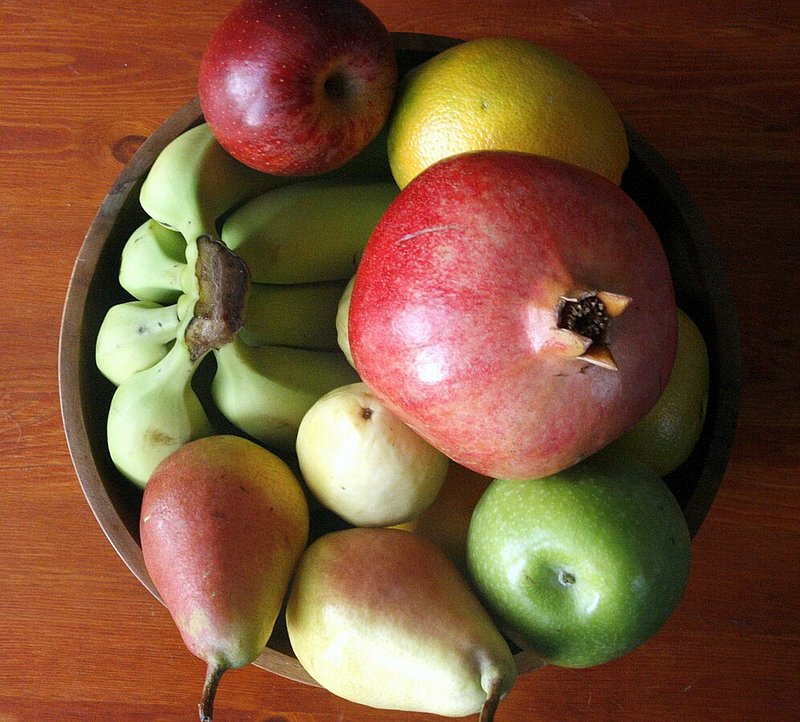
Fruit Bowl by Yosarian Wikimedia Commons Image License

#5 Fancy Fruit Toast

Fruit is one of the most common toast toppings in vegetarian cookbooks from the Victorian era. Apples, apricots, berries, figs and peaches were some popular options. This recipe for “fancy fruit toast” is flexible in what kind of fruit is used, but instead includes instructions to create unique bread cutouts for serving any kind of stewed fruit.

FANCY FRUIT TOAST From a two-pound loaf of white bread, cut slices. With a cutter made by having the rough edges melted from a quart tin can, cut a circle, and remove its center by means of a small cookie cutter. Toast these in a slow oven, and serve with whole fruit, the juice of which has been thickened with corn-starch. In serving this, place the toasted bread on the dish, and pour the fruit into the hollow center, and the juice around the outside. (p. 18)

Toast has been a culinary staple across many cultures. These recipes are historical examples of how a popular food trend was adapted and incorporated into plant-based diets. The next time you’re out of avocados, take some inspiration from history for a unique breakfast or snack with these 5 vegan toast recipes from the past.

Note:

  1. A fine mesh sieve, originally made from horse or camel hair, now typically made from metal.
  2. Vegetarian version of the recipe using dairy butter omitted from transcription.
  3. 19th century American English refers to zwieback as a form of dry toast.

Thank you for reading!

If you love history, plants or the history of plants, consider supporting Plant Based Past by buying me a coffee!

For more vegan, vegetarian, and botanical histories, follow Plant Based Past on Medium.

You can sign up for email alerts to receive the next story when it becomes available, just by clicking the envelope icon.

Next Week: Illuminated by Plants: The History of Plant-Based Lighting

Vegan
Food
History
Toast
Food History
Recommended from ReadMedium