
Get Your Child Talking
5 Tips to improve your child’s language development

Communication is multimodal- speech, nonverbal communication, gestures, sign, and augmented alternative communication are all methods of expression.
As parents, caregivers, and educators, there are various ways we can support children in their language journey.
Here are five tips to help a child develop language skills:
Tip 1: Early intervention
Language begins at birth even when in utero. Babies are sensitive to the rhythm and melody of speech, so use a soothing and melodic tone when communicating. Infant-sucking patterns reveal a preference for their mother’s voice.

Tip 2: Read Aloud
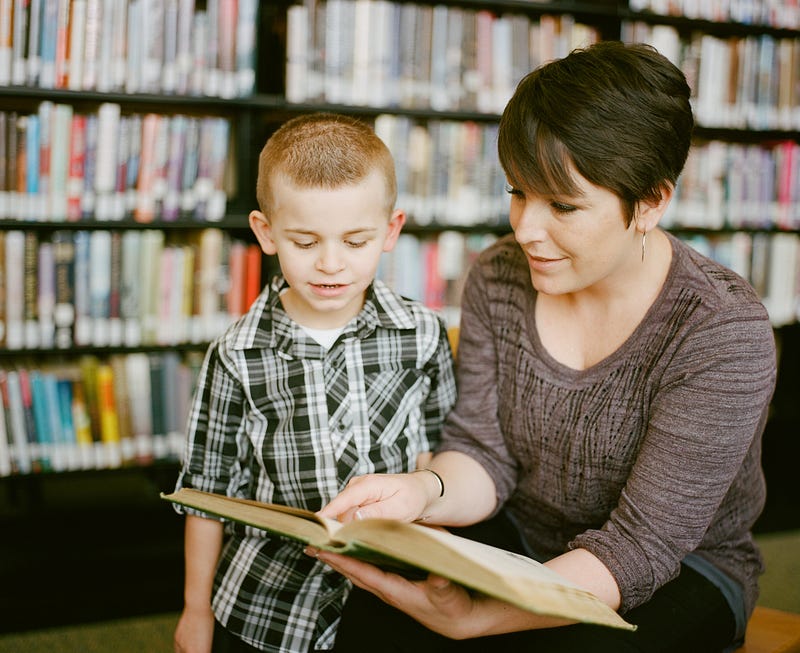
Reading is a daily habit that has a direct impact on language development. By reading aloud, you naturally point to pictures, labeling common nouns and concepts. You describe the events and ask context-specific questions. Rereading the same story numerous times provides a child with repetition of words and phrases which encourages imitation.
Tip 3: Engage in conversations
Ask your child simple yes/no questions to receive a concrete response.
“Is this a dog?”
Then increase the linguistic complexity of the questions. Ask your child open-ended questions to encourage them to express their thoughts and feelings.
“What is he doing?” “ What does he feel?”

Tip 4: Use self-talk
Self-talk is when you narrate your actions and routines. When you are washing the dishes, you would describe the items and sequence of tasks. This is highly repetitive, however, it creates great modeling opportunities and the child will improve their receptive language and understanding of routines. Additionally, they will imitate expected phrases.
Tip 5: Use gestures and facial expressions
Nonverbal language development is critical for language development. By using gestures, facial expressions, and body language to enhance your child’s understanding of words and phrases. This also helps them learn the emotional nuances of language.

Conclusion
To conclude, language development is an essential part of parenting. By incorporating these five tips into your daily interactions and routines, you can provide a solid foundation for your child’s language skills, setting them up for success in communication and learning throughout their life. Remember that every child develops at their own pace, so be patient and supportive throughout their language journey.
Want to learn more? Share, follow or comment on this article to keep the conversation going!
Hi! I am Lindsay, a speech pathologist. I write about life, mindfulness, my career, and financial literacy. Want to see more stories on your feed? Follow me!


