
5 Tips to Finding the Best Daily Habits for You
Lessons I learned adding 30 new habits and keeping them for a month
Winning is habit. Unfortunately, so is losing.
Are you looking to add some new positive habits to your life? You already recognize habits as a powerful force for positive change but you aren’t sure where exactly to start. What habits will give you the most benefit for the least effort?
I just finished a two-month challenge of daily habit formation. In the first month, I started a new habit every day. In the second month, I continued each habit until it reached the 30-day mark then evaluated whether I wanted to keep it or ditch it.
In total, I started 30 habits, practiced each one for at least 30 days, and decided to keep doing 20 out of the 30 habits.
What habits will work for you is a highly personalized question. However, there are some universal principles I found. If you are looking to add some positive habits into your own life here are some tips based on my experience.
Choose habits that will:
Give you some bang for your buck
My favorite new habits were the ones that were fast and easy to do while providing a tangible benefit.
Making my bed takes less than a minute but it remains done and nice-looking all day. A set of pushups in the morning before starting work is a huge ego boost. The “I’m the sort of person who casually does pushups” glow lasts me all morning.
Planning and doing necessary prep for tomorrow’s dinner while cleaning up from today’s takes only a few minutes but saves a huge amount of stress and time the next day. Future me always thanks past me for this gift. And the whole family eats better and healthier as a result. Win, win, win.
Energize you
Habits you can keep are ones that energize you rather than drain you.
One habit I happily dropped after a month was dancing daily. While I often dance around naturally while cooking and listening to jamming jives, making myself do so made me feel silly. At the end of a forced dance, I was able to put a tick mark in my spreadsheet but I felt drained.
On the other hand, holding a plank for 30 seconds every time I got up from my computer tickled my fancy. Look at me sneaking in exercise without going to the gym or even changing clothes. It breaks up the monotony of sitting at a desk all day.
Fit well into your existing routine
Even fun habits like watching the sunset are hard to keep if they don’t fit well into your routine. The easiest habits for me to remember and stick to were ones that I was able to tack on to something I was already doing regularly.
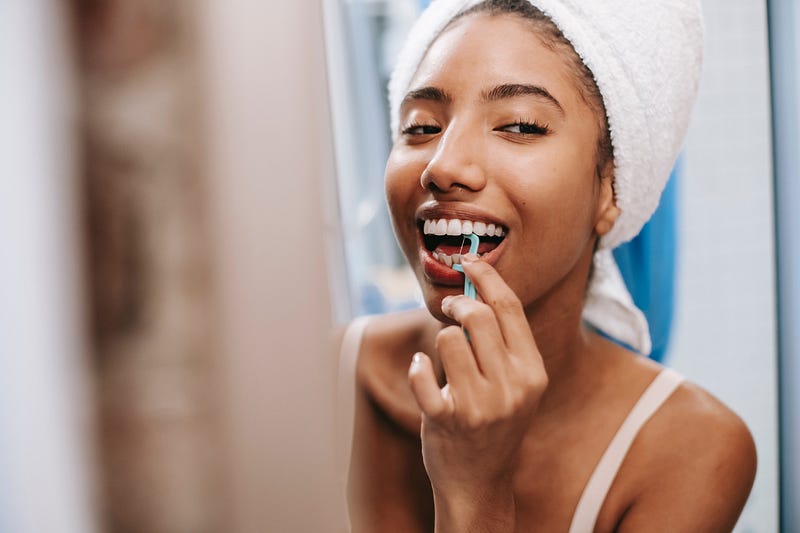
Adding flossing to daily tooth brushing was no big deal. There was already the perfect slot for it. I need a brief mental break after my first big writing push of the day so prayer and Bible reading in a different room of the house is perfect. I wait every morning for the water to boil and then the tea to steep giving me an ideal time slot for a quick morning kitchen tidy.
With any new habit, figure out where it could naturally fit into your existing schedule. The better the fit, the more likely you are to be successful.
Break up a big goal
I had been trying to get myself back into a regular workout habit for over a year. I’d be all gung-ho for a week or two then slowly slide back into slothfulness. So when I started adding in new habits, many of them involved exercise but in small doses sprinkled throughout my day.
I now do pushups in the morning, planks several times a day, take the stairs every time I need the toilet, take a daily walk, and do squats and dumbbell lifts while watching the local news. This all adds up to a nice little workout especially when you compare it to my mostly sedentary lifestyle just previous to my challenge.
Experiment for your best fit
You can read about all the habits I tried at 30 habits 30 days but the best habits for you will differ from mine. The best way to find the habits that will lead to a happier, healthier, more productive you is to experiment. Consider the principles listed above and then dig in.
If something is not working for you, change it up or stop doing it. One of my biggest surprises in the challenge was how quickly a good fit habit melded into my life and how stubborn a bad fit habit was about not working.
I thought I needed 30 days to cement each habit. Nope. Within a week or less I usually knew which habits could work and which wouldn’t. I gave it the full month because that was the challenge I had set myself, but there wasn’t a single habit that I disliked after a week which I didn’t discard at the end of 30 days.
There were a few habits I expected to hate like flossing and making my bed which I quickly learned to appreciate. So don’t be so certain you know ahead of time what will and won’t work for you. Try, evaluate and try again.
This journey proved to me I can make a big difference in my life through small changes. Adding new habits into your life is more about finding the right fit for you and your routines and not about forcing yourself to do something for some arbitrary length of time.
I encourage everyone to evaluate their current patterns. Are their little habits you can sneak in for outsized results? You won’t know without trying.
Would you like an email notification every time I publish a story? Sign up here. Join Medium to read not just my stories but all the other fantastic content lurking around every corner. Use this link and I’ll get a small commission when you sign up


