
5 Things You Need to Know About Navigating Rare Cancer
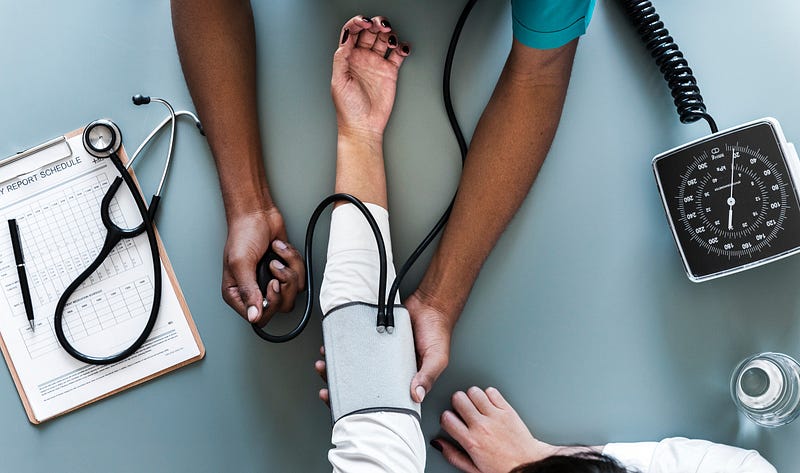
Rare disease: sounds like hardly anyone gets it, right? Turns out that one in ten people will be affected by it, to the tune of 30 million people in the U.S. and 350 million worldwide. Half of these are children. One of them is me.
Last year, I made it into the wrong 1%. An otherwise healthy woman with a weakness for houseplants and vintage china, I learned that I had a ten-centimeter tumor touching my liver, kidney, adrenal gland, and the primary vein in my body. Sarcomas make up 1% of all adult cancers; I was diagnosed with a subtype called leiomyosarcoma (LMS), a cancer of the smooth muscle tissue. It makes up about 0.2% of cancers.
Where you start treatment matters — a lot
Like most people, I started my provider search by asking the doctor at the general hospital where I had my biopsy for a referral. Luckily, a doctor friend did some research and found that the survival rates of patients who were treated at high-volume sarcoma centers were drastically higher than those who were not — which led me to a completely different medical center.
It makes sense if you think about it: when you’re treating a disease that most people haven’t seen, you’re likely to get better results if you go to someone who has seen at least some of it before. For sarcoma, a hospital qualifies as a high-volume center if it has an average annual volume of just ten cases per year. Which leads me to my next point.
Get more than one opinion
Because these diseases are rare, there isn’t always agreement on how to treat them. LMS research, for instance, is sorely under-funded. Often times, studies mix LMS patients with those with other sub-types — even though each of these cancers behave differently. As a result, there aren’t a lot of studies that provide meaningful, actionable insights. Which means that patients like me, who are not even qualified to play a doctor on TV, have to make a call on which treatments to pursue.
It can be tempting to jump right into treatment — especially if you’re faced with something aggressive like cancer, where there’s a sense of urgency. But you won’t be able to make an informed decision on how to get treated without hearing how different experts are thinking about solving the problem. The idea of traveling to another city for an opinion was new and scary to me, but it was completely worthwhile and taught me a ton about my disease.
Join an online support group
One of the best things about the internet is the way it can be a forum for shared interests. Search for your disease on Facebook, and chances are that you’ll find a group of people who are faced with the same disease.
The online groups I joined were a great way to fast-track my learning, especially from people who have battled the disease for longer than I have. Patients often share what they’ve found about current research, clinical trials and managing treatment. Having access to this information helps you to be your own advocate: you can ask your doctors their opinions on the latest developments or trials and whether they’re right for you.
Online support groups can also be a source of encouragement: learning that someone has been living with LMS for seventeen years gave me hope that I would live to see my kids graduate, and maybe even get to retire at an old folks’ home.
Focus on what you can control
One of the hardest things about having a rare disease is not really knowing what comes next. I found it helpful to work on staying alive by treating it like a job. I zeroed in on the things I could control, like food, exercise and sleep. Meditation and prayer were part of my daily routine, and I tried to read as much as I could on new developments in treatment of LMS.
I made sure to spend time outside of thinking about disease too. I worked throughout treatment, which forced me to focus on other things, took walks with friends, and tried to retain as much of my day-to-day mundane tasks as possible.
Get involved
Rare diseases don’t have the luxury of big, lucrative markets with large research budgets. 95% of rare diseases have not even a single FDA approved drug available to them.
You can create awareness for your disease simply by sharing that you have it: diseases become a lot more personal when people can put a face to the name. There are easy ways that you can fundraise for a cause; on my birthday I set up a Facebook fundraiser and, through the generosity of friends, family and even strangers, was able to raise nearly $15,000 within a week. Disease-specific awareness days and anniversaries of diagnoses are other logical times to fundraise. People really want to help — especially if you make it easy.
You can also choose to apply your unique skills toward making a difference. Some patients I’ve met are experienced event planners, and host fundraising events; some have backgrounds in analytics and offer to collect and work with data. Others participate by offering donations: I’m particularly excited about work being done at UCSD that has the potential to transform treatments for rare disease and cancer at large (if you are too you can help here). In the sarcoma community, the National LMS Foundation, Sarcoma Alliance and LMS Support and Direct Research Foundation are some of the organizations that offer invaluable patient resources and funding for research.
No one is born knowing how to manage a rare disease. The medical system can feel like a maze. Remember that your care is nobody’s number one priority but yours. Having a roadmap in mind and taking advantage of the resources available to you helps you to be your own best advocate — bringing you one step closer to getting the best treatment.


