
5 things to watch for understanding why exactly Black lives matter
4. Selma
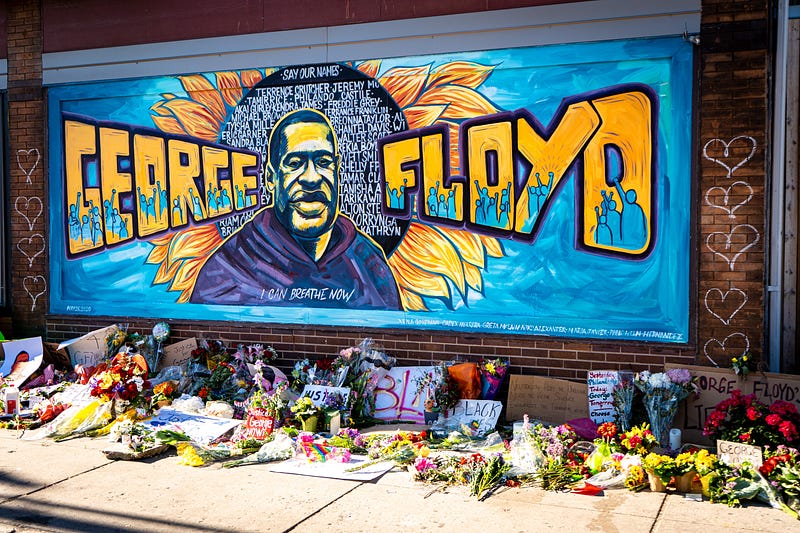
On May, 25th, an innocent Black man from Minneapolis, Minnesota, George Floyd, was arrested on the allegation of using a counterfeit 20 dollars bill and was then brutally murdered by a white policeman, Derek Chauvin. Derek Chauvin knelt on his neck for about nine minutes while George Floyd kept reiterating, ‘I Can’t Breathe!’
It wasn’t the first time, an event like this happened. African-American history is full of such accounts of systematic racism, police brutality and injustice. To make things worse, with exception of the few, throughout the 400 years long struggle of African-Americans, people in higher offices have mostly failed to eliminate this systematic racism and put an end to police brutality against the people of color.
However, irrespective of the deep-rooted racism and failure of the system to provide them with equal rights, African-Americans have never backed down, proving themselves to be a resilient and a courageous nation.
Thus, most of us thought that like old times, it would certainly result in resentment among African-Americans and they would be out in the streets, demanding justice for their brother George Floyd.
We all had some idea that this act will result in spurring a new movement of resistance but little did we know that this time, African-Americans will not stop without getting the long overdue justice for their brothers and sisters, whose arrests were racially motivated and who had lost their lives to systematic and institutional racism.
Consequently, this murder — yes, I’m using the word murder because there isn’t any other word to describe it — revitalized the movement against police brutality and reinvigorated Black Lives Matter campaign, resulting in country-wide protests, which later transcended the national boundaries as well.
Now, the whole world is watching as African-Americans are fighting against systematic racism, political incompetence and police brutality.
Nonetheless, most of us — Asians and people from other regions — who don’t have African-American roots and aren’t even US citizens, are finding it difficult to absorb that why the slogan is Black Lives Matter, instead of All Lives Matter.
Now, the thing is, it can be only understood by having some idea about African-Americans struggle for equal rights. And as a student of US History, I think it’s my responsibility to give your guys some idea about African-Americans struggle for equal rights. Thus, in the following passages, I have tried to summarize the history of African-Americans’ struggle and have also listed five things — movies, TV series and documentaries — which can help you in wrapping your head around this new wave of protests against police brutality.
African-Americans struggle, which goes back to 1619, when 20 some Angolans were kidnapped and then brought to the English colony of Virginia, is spread across four centuries.
After the shipment of the Angolans, English colonists bought them, thus establishing the evil institution of slavery. This enslavement of humans mainly benefited the agrarian economy of the Southern colonies, where these slaves were used for plantation and other purposes. Moreover, Southerners viewed slaves as their property, depriving them of human status.
However, Northerners were not of the same view, as their economy wasn’t dependent on plantation and they were not in favor of enslaving humans. So, they stood against this evil institution and abolished slavery before the end of 18th century.
Sequentially, in the early 19th century, slaves started revolting against their masters and with help from the Northern colonies, the abolition movement started gathering pace. Moreover, events like Nat Turner’s Revolt, Dred Scott Case, John Brown’s Raid, resulted in dividing the nation across geographical lines and aggravated North vs. South tussle, which ultimately escalated in the form of American Civil War.
Fortunately, Abraham Lincoln’s effort to promulgate 13th Amendment bore fruit and the American Civil War ended with the abolition of slavery. Nonetheless, slavery was only abolished in the name; it kept existing in its character. 13th Amendment has its own loopholes, which gave white supremacist another chance to enslave African-Americans in other ways and deprive them of equal rights.
Thus, African-Americans started another movement for civil rights, which was later led by Dr. Martin Luther King Jr., and ultimately ended with equal voting rights for African-Americans. But again, even after the acquisition of equal voting rights, African-Americans were far from being considered equal part of the society. Racism was still there, evolving and spreading in different forms. Even today, it is still prevalent and the murder of George Floyd tells us exactly how it is operating in the US society in a systematic manner.
In short, Black history is loaded with countless events and movements, suggesting only one thing that in the US, black lives don’t matter. Therefore, the need of the hour is to emphasize the value of Black lives, not all lives.
It is also important to acknowledge and recognize the efforts of writers, artists, sports and showbiz figures, who throughout this movement, played and are still playing a quite pivotal role, in terms of fighting for equal rights for the African-Americans.
Thankfully, there is a plethora of books, movies, TV shows, documentaries, which can help us in getting a better sense of why black lives matter.
So, I have made a humble effort to list five of the movies, TV series and documentaries, which can help you understand why after four centuries of struggle, African Americans are yet to enjoy equal rights.
13th
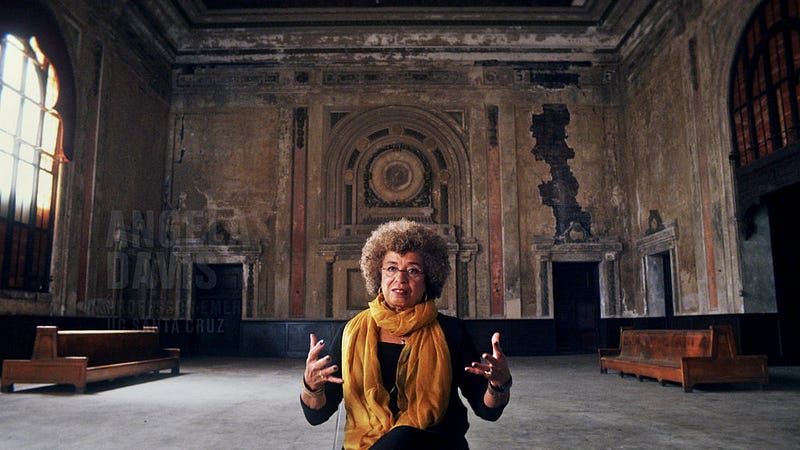
Slavery, 13th Amendment to the US Constitution, African Americans Civil Right Movement, socio-political adventurism of American Presidents in later part of 20th century and in the early years the 2000s and disproportional population of African Americans in the American prisons, 13th talks about all these issues in an incredibly short time of 1 hour and 40 minutes.
Filmmaker Ava DuVernay deserves all sorts of praise for creating this masterpiece and addressing such an imperative topic in socio-political landscape of the US. She has not only educated her viewers but has also motivated them to take a stand against this racial injustice against the African Americans.
With a budget of only 1 million $, this documentary has also showed us how quality content can make your product great, even if the financial backing is not so strong.
A must-watch, especially for those who have keen interest in the African Americans history.
Glory
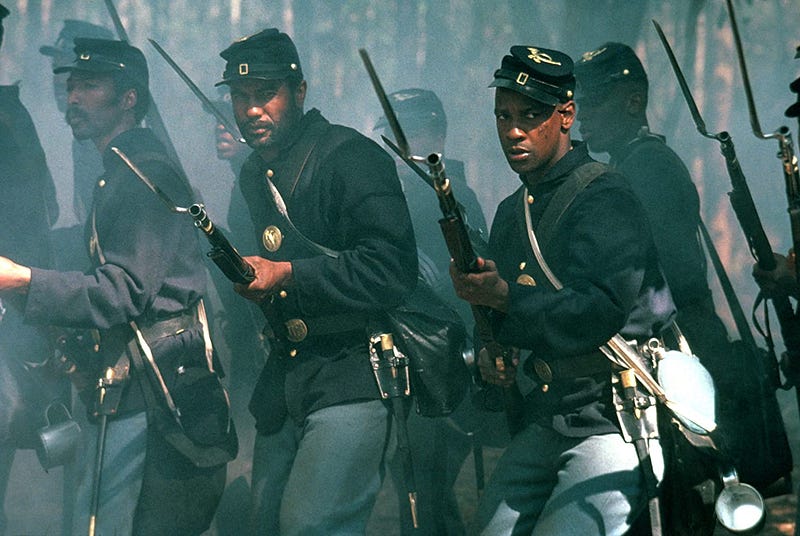
American Civil War is one of the most pivotal moments in regard to African-Americans history and this movie is another attempt to showcase that what actually transpired during the war, that led to the abolition of slavery and the admission of Black Americans as an equal part of the society.
Starring the very likes Denzel Washington, Morgan Freeman and Matthew Broderick, Glory tells us the story of Robert Shaw, a white officer, who leads first all-black volunteer company in the American Civil War, amidst criticism and opposition from his own army and the enemy.
Directed by Edward Zwick, Glory teaches us that it wasn’t easy for those white Americans who wanted to expedite the abolition movement — be it Abraham Lincoln or Robert Shaw — to help African-Americans in getting equal rights.
Glory is a breathe-taking cinema and even after all these years, this movie is still as relevant as it was in 1989.
12 Years A Slave
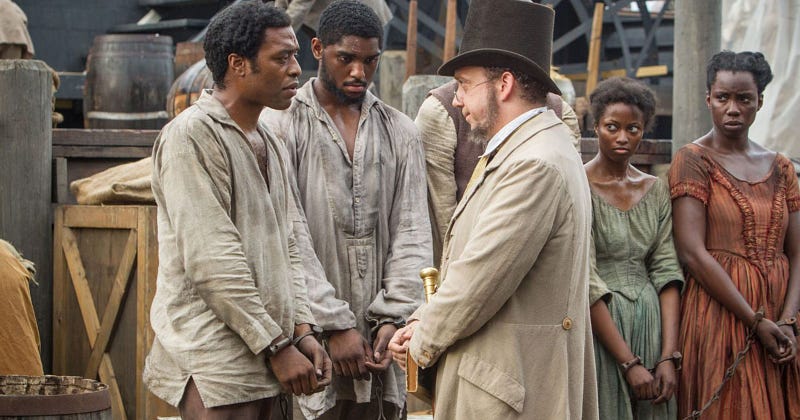
Directed by Steve McQueen, 12 Years A Slave is centered on Solomon Northup, a free African-American, abducted through a promise of job and then sold into slavery.
Chiwetel Ejiofor, who won the Academy award for the portrayal of Solomon Northup, delivered a powerful performance, making us all feel the wrath and evil of this institution of slavery.
12 Years A Slave is a fascinating drama and explores the lives of those African-Americans, who were thrown into slavery and were made to feel it as their undeniable fate.
Being an astounding story of cruelty, oppression and injustice, 12 Years A Slave is a gut-wrenching and compelling cinema.
Selma
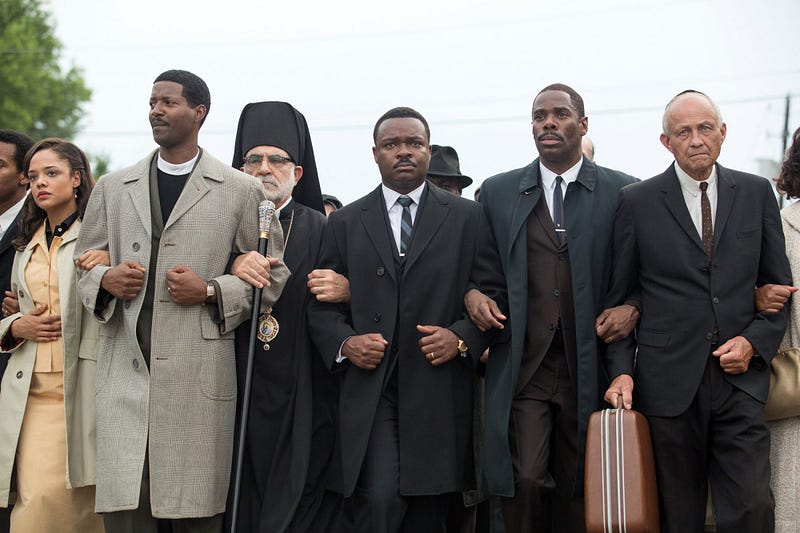
Through Selma, filmmaker Ava DuVernay has made a great effort to give us some idea about Dr. King’s contribution vis-à-vis African-American Civil Rights Movement in the 1960s.
Selma tells the story of the historic march from Selma to Montgomery, led by Dr. King, and gives us bits and pieces of how African-Americans got the equal rights of voting in 1965.
Revolving around Dr. King’s campaign to secure equal voting rights through this historic march from Selma to Montgomery, Alabama, Selma is a heart-wrenching — yet powerful — account of how African-Americans had to strive and struggle for their rights in the early and mid-1960s.
Although no movie or TV series can do justice to Dr. King’s contributions to African-Americans Civil Rights Movement, yet Selma at least teaches us the Dr. King’s campaign for Civil Rights Act of 1964, Voting Rights Act of 1965 among others, proved to be quite significant in shaping the character of a nation.
When They See Us
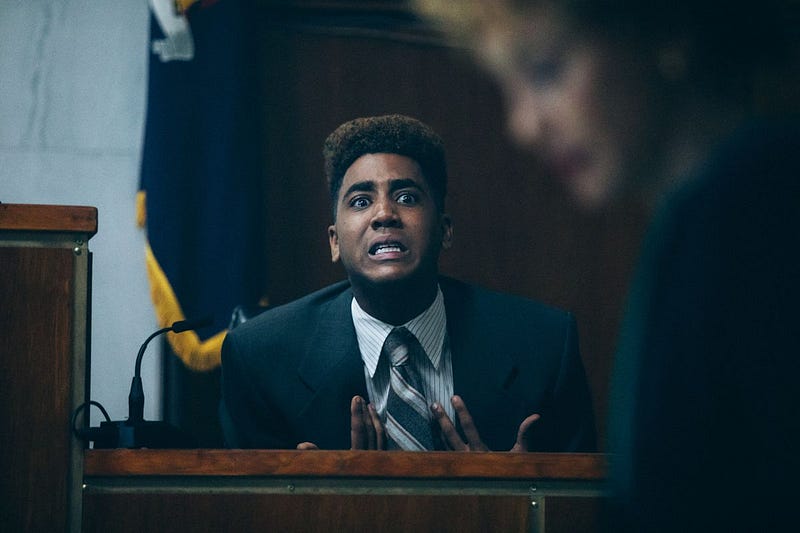
I must confess that I’ve not seen more powerful — yet emotionally-draining — TV series in quite a long time.
Directed by Ava DuVernay, When They See Us is a mini TV series, which chronicles the events of 1989, when five innocent black teenagers from Harlem were trapped and subsequently charged for the rape of a white female jogger in Central Park, New York.
This limited series is spread over a quarter of a century, from 1989 to 2014 and tells us the story of systematic racism, police incompetence and injustice against Black community.
Spoilers Alert: It took these boys about 13 years to absolve themselves of the crimes, they never committed and they were finally awarded with a compensation of $41 million in 2014.
With such a stellar cast of Michael K. Williams, John Leguizamo, Felicity Huffman, and Blair Underwood, When They See Us succeeded in galvanizing a large number of viewers and getting critical acclaim as well.
In short, When They See Us is an infuriating retelling of the Central Park Five and 1989 Joggers Case.
So, that’s the list. Hopefully, this list will help you in getting a better sense of why exactly Black lives matter.
Honorable Mentions:
- Free Angela & All Political Prisoners
- Get Out
- Lincoln
- The Hurricane
- The Great Debaters