
5 Things To Know Before Moving To London
Everything you need to know and do before and after moving to London
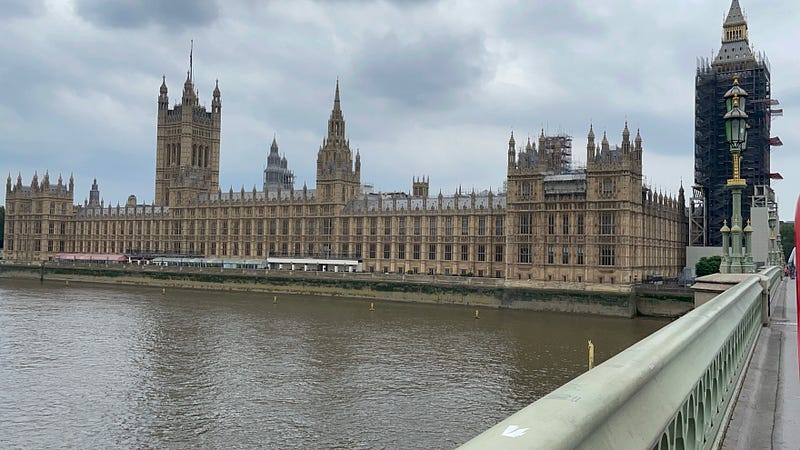
Are you thinking about relocating to London?
Settling into a new country is quite challenging, but with the right planning, it’s completely possible. London is one of the most multicultural cities in the world. London has world-class restaurants and museums to a wide range of job opportunities in almost all sectors- tech, media, finance, and hospitality.
If any of you are thinking about moving to London or to the UK to live and work but you are unsure where to start, this guide should be helpful.
Here are 5 things you should know before moving to London.
London Weather is Unpredictable
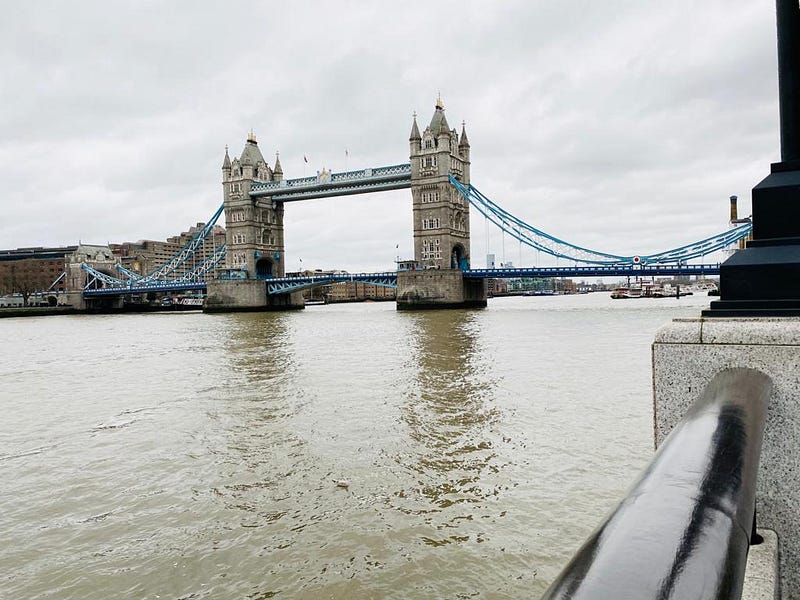
The weather in London is very unpredictable. It is almost impossible to predict how your day will start and end. Generally, the weather in England changes very quickly. You might start your day with a dry and sunny day and end up with rainy, wet, and strong winds.
It's been almost a year for us and it's actually quite impossible to predict the weather for the day in London. And it frustrates many people. Sometimes we need to look at the weather forecast for London several times in one morning to plan our day ahead because it can change very quickly.
The summertime in London can be warm but also can be grey and rainy. You get bright sunshine one day and next few days you can expect non-stop rains. There is no doubt the weather can be depressing, but it is something many people in London accept because they cannot imagine living somewhere else.
But the unpleasant weather does not stop people from doing what they want. London has acres of green space and canals scattered all over London. This is the best thing about London that it has so much greenery. Even on wet days, we can walk through parks and open green spaces.
The weather does not stop people from enjoying the live music shows in London central or visiting some of the most excellent museums and galleries in the world, and for free of charge. Check out my post about the Top 10 Free things to do in London.
London is an expensive place to live
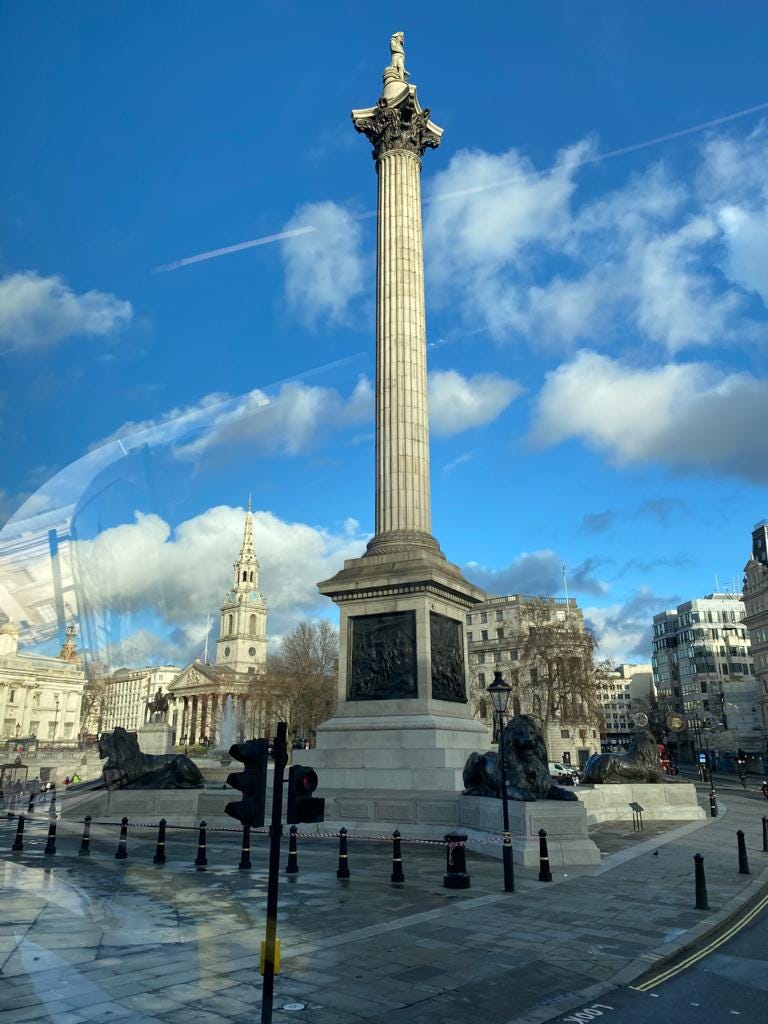
The cost of living in London is very expensive. Your rent and travel costs are most likely to be your most significant expenses. London housing and rental prices are among the highest in the world and can eat up to 50% of your after-tax income. Here are some rental prices for individual apartments, but they can vary from borough to borough.
Monthly Rental Prices in London Approximately-
I would suggest don't pay the deposit amount until you have seen the property because in the pictures they look completely different. I am sharing my personal experience that after moving to London I have seen few houses which looked very beautiful in pictures but when we went for viewing the houses were very small and old.
- 1 bedroom apartment outside of the city- £950+
- 1 bedroom apartment in London Central- £1,200+
- 2 bedroom apartment in City- £1,800+
- 2 bedroom apartment outside of London Central- £1,300+
The cost of living in London is very high after all, it is one of the largest global capital. Apart from these, here are a few things you will need to add this extra expense to your monthly budget.
- Council Tax- Everyone has to pay council tax on their property it can be anywhere from £500 to £1,200 a year in London.
2. Television tax- You need to pay for a television license. This costs £159 a year.
3. Utilities- For gas, electricity, water, and the internet we need to pay between £160 and £210 a month.
4. Public Transport- Public transport can be fairly priced in London, especially if you are using an Oyster card.
5. Groceries -London has big brand stores, including Waitrose, M&S, but there are cheaper options available like Tesco, Lidl, Poundland, Morison for daily groceries.
Oyster Card is very beneficial
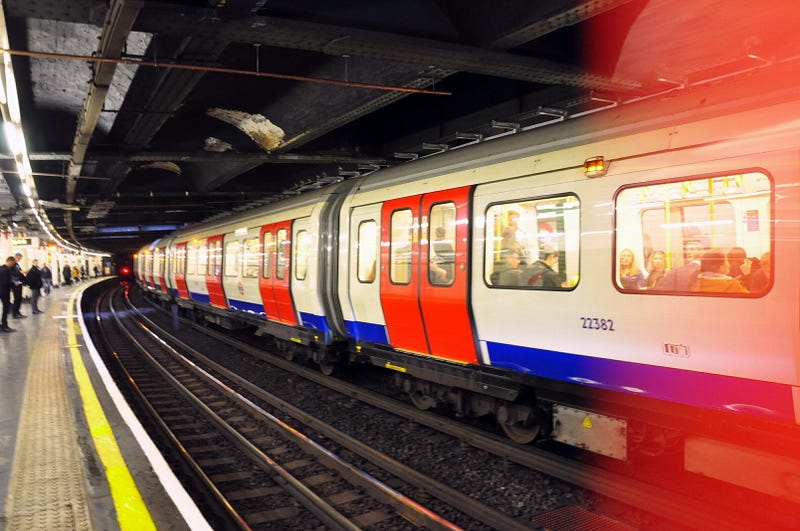
After moving to London, I have realized that driving in London is a nightmare with loads of traffic, small parking spaces, roadworks, and congestion charges. And you probably won't need a car in London. Many people don't have cars because of the excellent transport facility.
London has one of the biggest public transport networks in the world, with integrated bus, river, and road systems. Check out the London tube map.
London has the best tube network in the world. There are a total of 11 tube lines and the underground is divided into nine zones. Tube fare depends on how far you travel, time of day, and how you pay. All you need is Oyster or contactless payments they are the cheapest ways to pay for single fares.
There are many discounts available for students, elderly travelers and children, on the London subway.
Free NHS Health Care

The UK has a free publicly funded healthcare system — the National Health System (NHS). The NHS is different from many healthcare systems from anywhere else, as it is funded through taxation rather than health insurance. There is also a smaller private healthcare sector that people can choose from.
There is also the option to take private health insurance in the UK, which can offer quicker access to specialists, better facilities, and shorter waiting times. I personally use NHS and in an emergency, we have private health insurance.
Using NHS one disadvantage is it can be difficult to get doctor's appointments- We usually have to book a few weeks in advance.
If you need to see someone urgently, the best thing to do is go to a walk-in center, where you might have to wait for an hour or two but you will always be seen that day.
Select your borough first
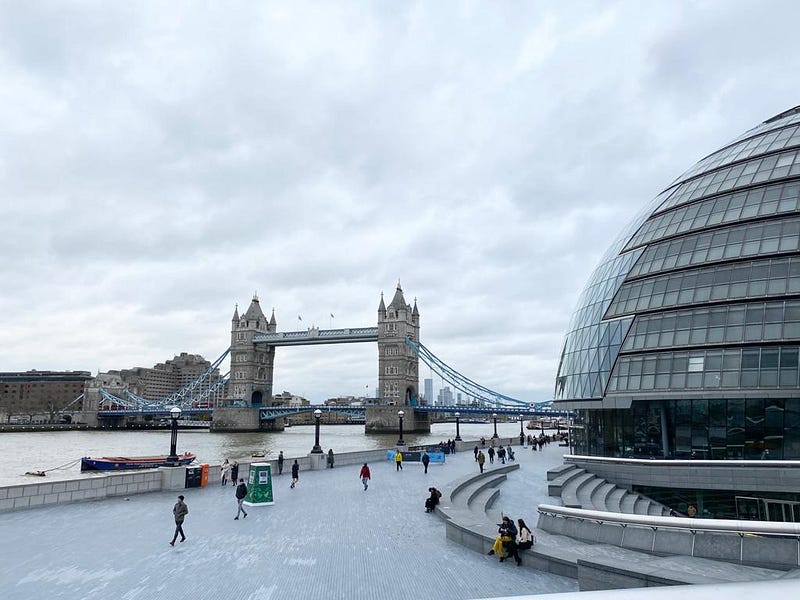
London has small little towns known as boroughs. Each borough has its own council, local government, and libraries. There are about 32 boroughs and I would suggest if you choose which suits you best in terms as per your own interests and priorities.
If you are moving with family and kids, start looking at schools. All public schools have a catchment area, which means children who live closer to certain schools get priority over other kids. All public schools have their ratings in the UK. We decided to move to an area where schools are outstanding ratings. And sometimes there can be waiting in an outstanding school and the council can put your child in some other closest school.
It's really difficult to find a house while not being there. It's always best to actually go and see the different options and you can check the neighborhood as well. I would suggest staying in Airbnb until you decide on your house.
Hopefully, the tips and costs above are helpful.
Conclusion- London is a nice place to live, and it's a multicultural city -full of history and culture. People from all over the world now call the city home. There are few other things I would suggest after you move- Apply for your National Insurance Number, Get a UK SIM for your phone, open a bank account, Register in NHS.
Thanks for Reading!!
Read more from Niharika Chhabra,


