
5 Things to Do This Winter When Planning a Garden for Spring
The work begins now
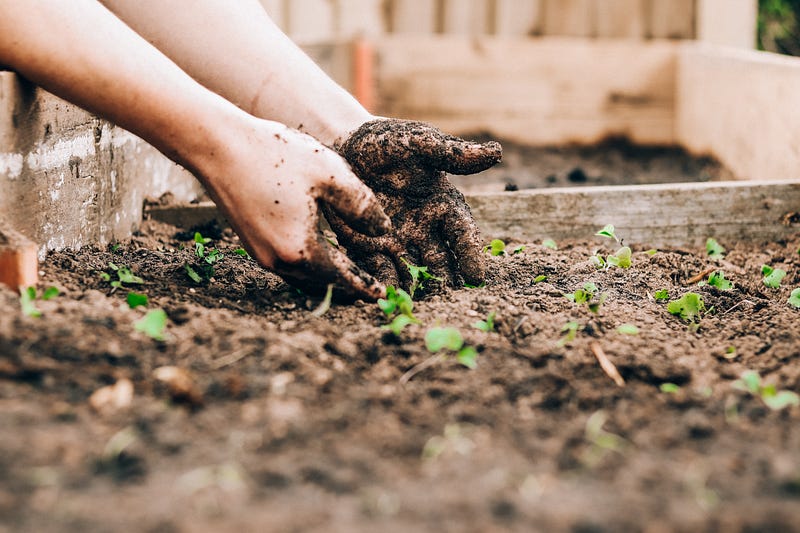
It’s still winter, I tell myself as I look longingly out the window at my garden space. It doesn’t feel like winter though. I live in Georgia, and while I know another cold snap is coming, it’s positively spring-like today. But I’ve learned the hard way that I can’t start planting a garden too soon unless I want to lose all my plant babies to the frost.
5 Things to Do This Winter to Get Ready for Spring
But there are some things we can do as early as January to get ready for our spring gardening adventures. I’m aware that there are many different growing zones around the world and even within the United States. For that reason, I won’t offer suggestions for what to plant or when to plant it. Instead, I’ll give some ideas that any gardener in any location can do during the winter to prepare for spring.
1. We Can Make a Plan
The first thing we’ll need to do is make a plan. I took some advice from an Instagram account and got a shot of my house courtesy of Google Earth.
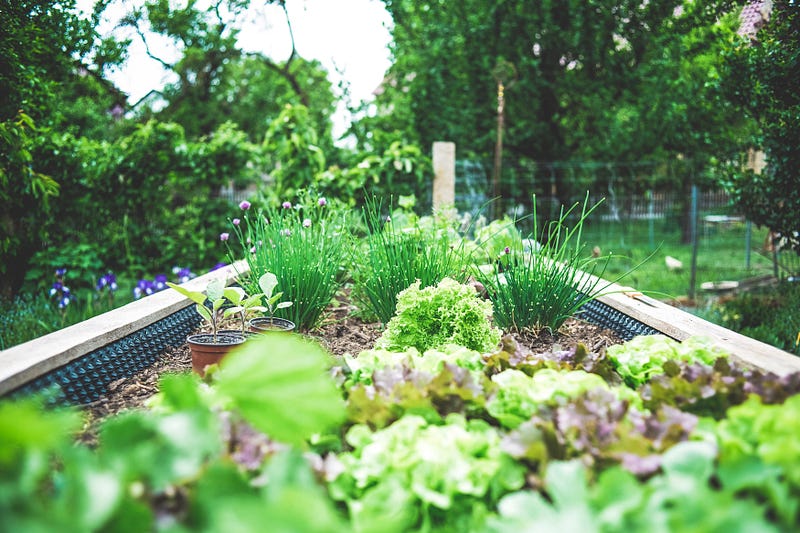
Then, I painstakingly planned out how to better use my space. I decided that this year I’m going to try a potager garden near my kitchen. A potager garden is a French kitchen garden that incorporates vegetables, herbs, fruit, and flowers together. It usually has many colors and textures. The garden beds are laid out to form geometric patterns for aesthetic appeal. I’m going to try to use the no-dig method, which is new for me. I’m also going to continue with the raised beds I’ve used before and add some new plants to my garden. While I’m planning for vegetables and fruit, I’m also working flowers into the landscape — particularly ones that repel pests.
My plan also includes a tiny frog habitat and a water feature for wildlife. I’ve ordered The Real Milk Paint to protect the trunks of my trees, and I’ve made notes to clean and sanitize my birdfeeder for spring. There’s lots to do just in the planning stages — particularly plotting what we’ll do and how we’ll do it.
2. We Can Assess Our Supplies and Needs
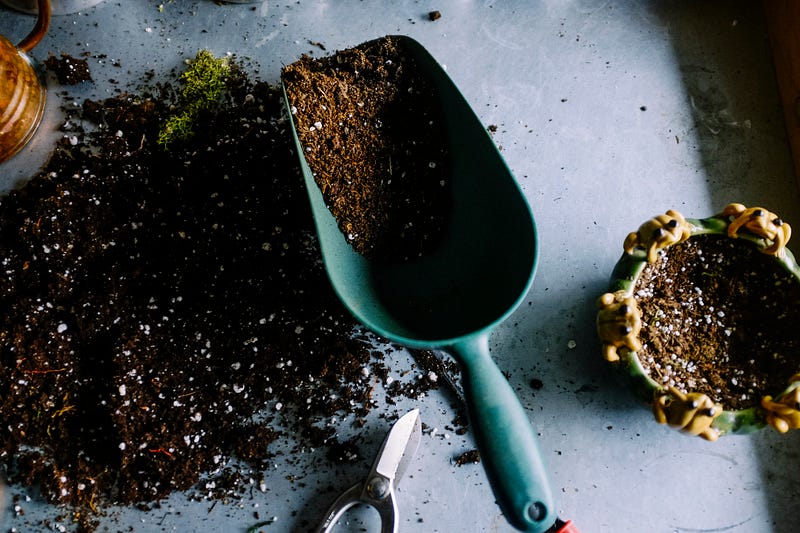
I’ll be honest: I spent a lot of time last year borrowing the tools I needed because I wasn’t adequately prepared. This year, I’ve made a list of everything I need to create my springtime garden. I can make sure that all my tools are in order, and I can purchase tools that I’m missing. January is a great time to get our ducks in a row when it comes to gardening supplies — we might even find some of them on sale!
I’ve also spent time on Pinterest looking at gardening hacks I hadn’t considered before. For example, cattle panels can be used to create a garden trellis. These galvanized wire panels can be molded into an arch and used to support climbing plants. Mushrooms can be grown in a bag. An old trampoline frame can become a trellis or shaped into chicken run. Old swing set frames are turned into greenhouses or chicken coops. We might be able to upcycle something old and make it new again.
3. We Can Compost
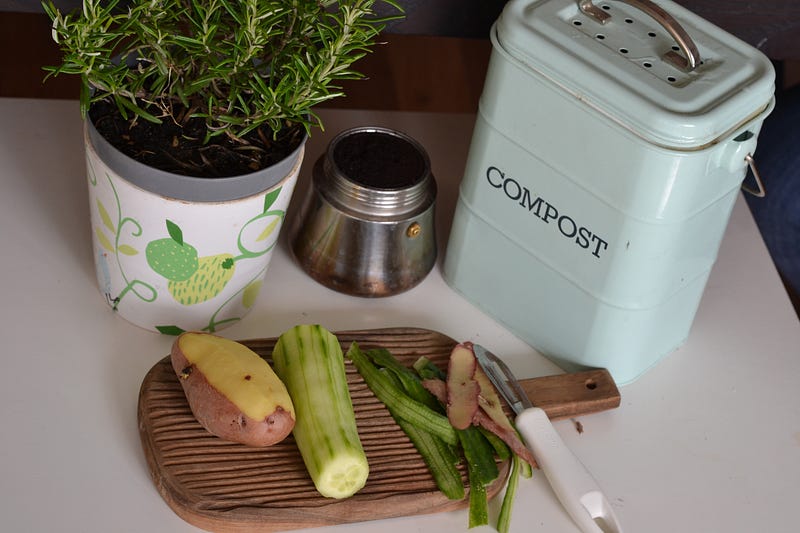
Regardless of the time of year, we can continue our composting efforts — or begin if we haven’t started. We can start small, if necessary, by composting eggshells, coffee grounds, cardboard, paper, and leaves left over from the fall. Compost can be purchased, but we can also make it at home. It will help our gardens thrive in the coming season.
4. We Can Get Our Garden Fix Indoors
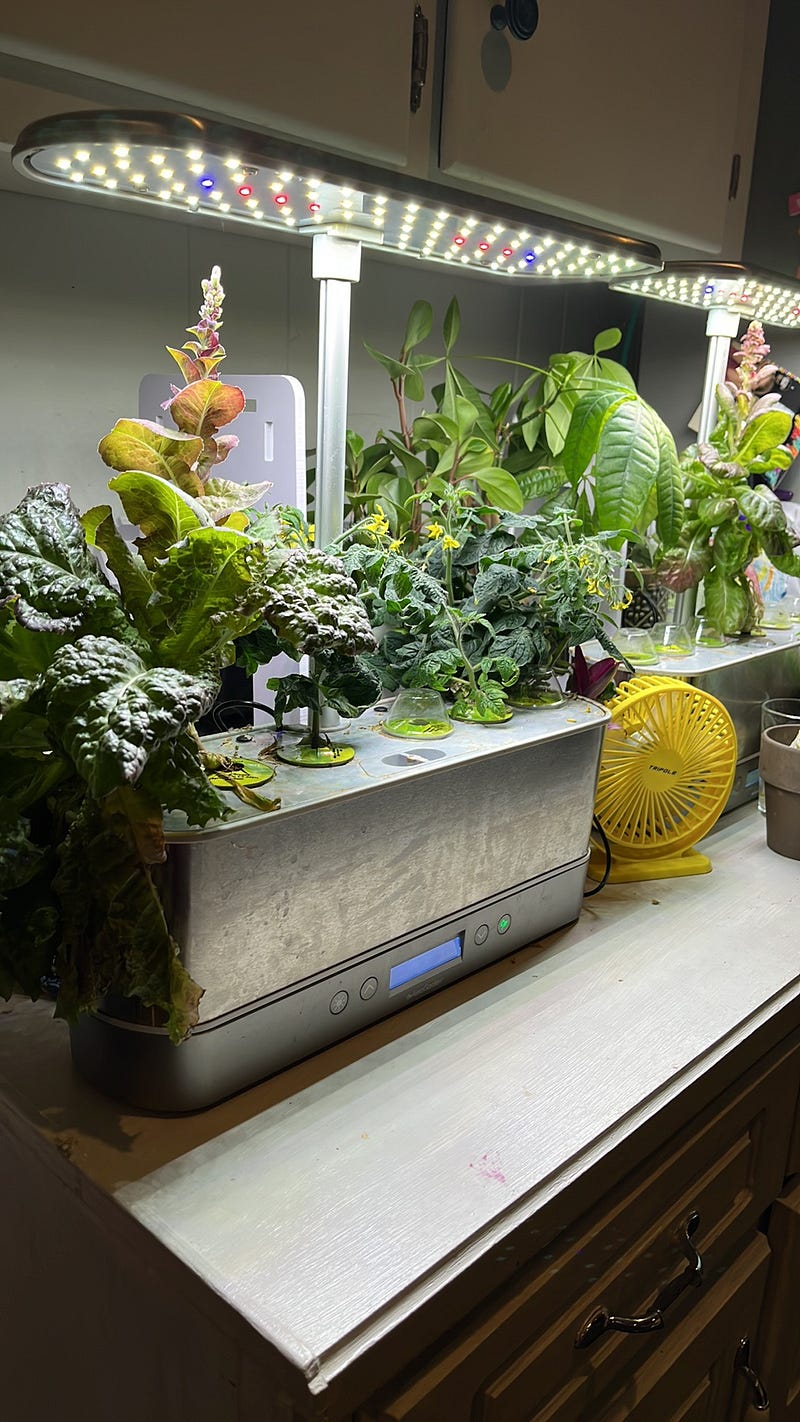
I have two indoor AeroGardens that help me get my gardening fix year-round. Using hydroponics, I grow lettuce, herbs, and occasionally tomatoes in my little counter planters in my kitchen. They’re attractive, delicious, and an easy way to garden indoors all year long. AeroGarden takes the guesswork out of the process by having lights that remind me to water or fertilize my plants.
I also recently looked into growing mushrooms indoors. There are several kits available, or I can follow the instructions online using mushroom spores or spawn. It’s something I’ve never tried before that could add to my harvest.
5. We Can Start Seeds Indoors
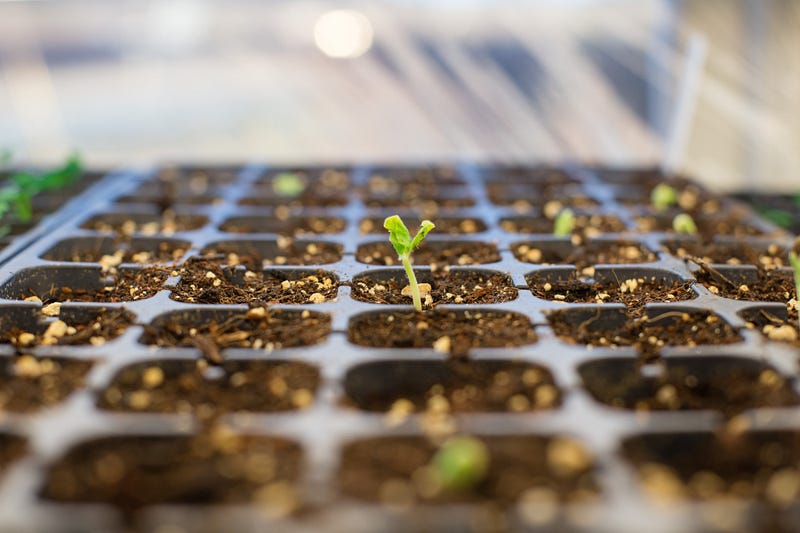
Some seeds can be started indoors anywhere from four to eight weeks before the last frost of the season. You can find that date for your zone in resources like The Farmer’s Almanac. Growing seeds indoors can give them a better chance to thrive in the garden later. It’s also a fun way to see some progress long before spring arrives!
Don’t Forget This Key Ingredient
Our gardens are in rest mode during the winter season. We need to remember that as much as we want to work and plan, we need to prioritize rest during this season. There will be plenty to do when the growing season begins.
In the meantime, we can relax, reflect, and rest. It’s just as important as all the plotting and planning for the coming season. There’s joy in this present season as well if we’re looking for it.