avatarChristina M. Ward

Free AI web copilot to create summaries, insights and extended knowledge, download it at here

2464

Abstract

ree species. It’s also a requirement of some bird species who need post-fire habitat to nest.</p><p id="c27a">Balancing the needs of these species against the needs to safeguard humans and their homes and businesses is the reason we do prescribed burnings like the one pictured below. It’s to offer the forests what they need, clear out the underbrush that causes huge and uncontrollable fire events, and to keep it all in balance.</p><figure id="8e48"><img src="https://cdn-images-1.readmedium.com/v2/resize:fit:800/1*K7SNdueTNPgzwIDeeHgnBg.jpeg"><figcaption><a href="https://pixabay.com/service/license/">Pixabay License</a></figcaption></figure><p id="c868">Yes, fire sounds really scary, but if you’re a pine tree, a little occasional fire is actually helpful.</p><p id="d54c">Lightning starts a fire, which then burns through the undergrowth of a forest, essentially “cleaning it out,” scorching trees and clearing away the forest litter and debris. This does several things. Firstly, it creates post-fire habitat which some species depend upon. Some species of birds, for example, will only nest in trees that have been burned. Secondly, fire is needed by some pine trees or else they could not reproduce.</p><p id="0bf7">Certain species of pine, like the lodgepole pine, for example, produce what is called <i>serotinous cones</i> which are sealed shut by a kind of resin that will not open to release the seeds until they are <i>burned open</i>.</p><p id="dc20">These trees have not only evolved to become more fire-resistant, but fire is actually a part of their life cycle. Cool, huh?</p><h2 id="bcdc">Trees Can Skillfully Attract the Enemies of Their Enemies</h2><p id="387e">Picture this: You’re a happy apple tree, minding your business and those pesky caterpillars keep climbing up your trunk and nibbling away your beautiful hard-grown apples.</p><figure id="2f24"><img src="https://cdn-images-1.readmedium.com/v2/resize:fit:800/1*ZEoGF4Rm59vNWKJs2-RT4w.jpeg"><figcaption><a href="https://pixabay.com/service/license/">Pixabay License</a></figcaption></figure><p id="4c32">So, you do what any tough apple tree would do and you emit a chemical that attracts birds that eat those grubby little worms.</p><p id="4d8f">Problem solved.</p><h2 id="97dc">Trees Can Kill You</h2><p id="e2b4">Some trees can make you sick or even kill you. The Manchineel tree, a member of the <i>Euphorbiaceae</i> family, is classified by the <i>The Guiness World Book</i> o

Options

f records as the<i> most dangerous tree in the world</i>. All parts of this tree including the fruit are poisonous.</p><figure id="541d"><img src="https://cdn-images-1.readmedium.com/v2/resize:fit:800/1*xzHZyOaA-7BM61gD7eDgag.jpeg"><figcaption><a href="https://commons.wikimedia.org/wiki/Hippomane_mancinella#/media/File:Hippomane_mancenilla_port.JPG">The Machineel tree</a></figcaption></figure><p id="5884">Even the leaves of this tree can poison water sources which could make you very ill or possibly kill you. Burning the wood from this tree can injure your eyes!</p><p id="49a2">Tree-huggers beware this tree!</p><p id="a4c1">Also, the “suicide tree,” is a pretty dangerous tree. <i>Tachigali versicolor </i>is a tropical tree that produces a fruit you do not want to eat. Unless, of course, you want a rather immediate death, giving it the grisly nickname.</p><figure id="5bec"><img src="https://cdn-images-1.readmedium.com/v2/resize:fit:800/0*7wjRWesu2QODWLqo.jpg"><figcaption>The Suicide Tree courtesy of <a href="https://www.britannica.com/plant/suicide-tree">Britannica</a></figcaption></figure><h2 id="0753">Trees Are Crime-Fighting Superheroes</h2><p id="4d91">Some trees wear invisible capes. Like, crime-fighting, superhero capes. Not only because they give us air which we breathe, help us feel more calm and healthy, and provide intrinsic beauty to our lives — but in some ways, they make our lives safer.</p><p id="e9a9">Studies have shown that trees in urban areas can lower crime rates (both crimes that occur in and out of homes), and reduce crimes such as graffiti, vandalism, and littering.</p><figure id="9872"><img src="https://cdn-images-1.readmedium.com/v2/resize:fit:800/1*Twzu5u2O9FSuCVy88LTCLQ.jpeg"><figcaption><a href="https://pixabay.com/service/license/">Pixabay License</a></figcaption></figure><p id="bfa1">Turns out — people act a little better when there are trees around, reminding them of the value and beauty of life. Maybe we need to take some of those crime statistics and choose some spots to plant lots more trees? Just a thought.</p><p id="77c1">Thanks for reading today about the badassery of trees. Stay tuned for more great content!</p><p id="1cf9"><a href="undefined"><i>Christina M. Ward</i></a><i> is an environmental scientist and writer from the lovely state of North Carolina. If you enjoyed this content, perhaps you will enjoy some of the writer’s other works. Thank you for reading.</i></p></article></body>

5 Things that Prove Trees Are Total Badasses

Click here if you can’t view this content.
Pixabay License

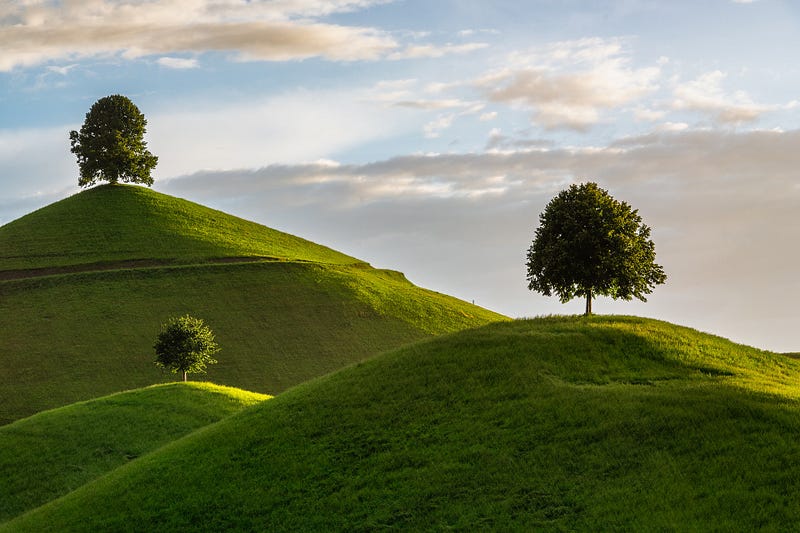
Trees usually make you think of gentle breezes, the comforting shade they provide on a warm summer’s day, or the colorful drift of leaves in the autumn, settling on the path at your feet.

Trees are the stuff of paintings, of inspiration, of insects and of life. But did you know that trees are tough in some pretty unique ways? In some kick-your-ass-and-take-names kinds of ways?

Here are 5 facts that prove it.

Trees Can Fight for Themselves

Did you know that trees can fight their own battles? Like an army of soldiers, trees stand vulnerable to the ravaging of insects, but they have a battle plan.

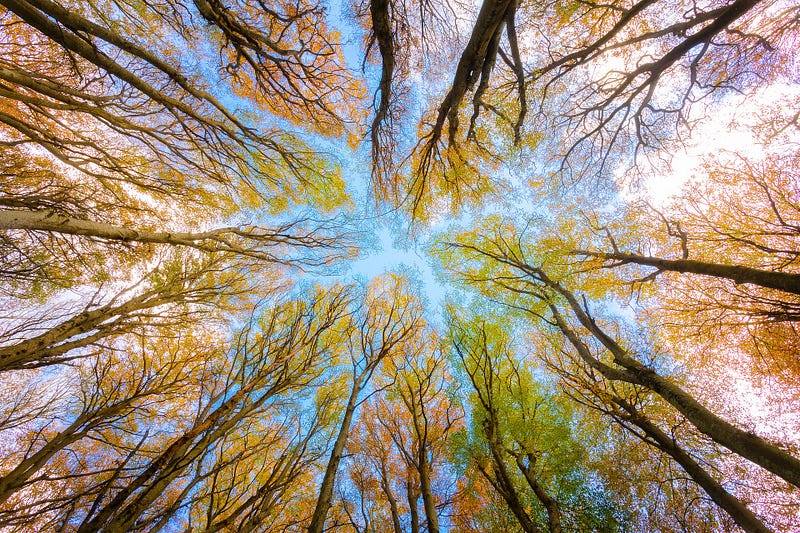
When insects begin a raid, trees release chemicals, called phenolics, that not only fight off the insects but also signal to other nearby trees of the danger.
Pixabay License

Now, I don’t know many communities of people who are this well-armed and prepared, ready to stand in a united front against a common enemy? And trees have a simple, non-violent way of standing their ground. I think that makes trees a tough opponent. Beware, you hungry insects!

Some Trees Are Tough Enough for Fire

Oh, this one is my favorite tree factoid. All of these terrible wildfires we hear about each year are the result of the repressing of the natural fire process to save humans and structures — interfering with the natural cycle of fire.

Naturally, we want to save communities and human lives. And do so, we must. But did you know that fire is, on some levels, needed by the forest? It is a natural part of the life cycle of many trees, especially pine tree species. It’s also a requirement of some bird species who need post-fire habitat to nest.

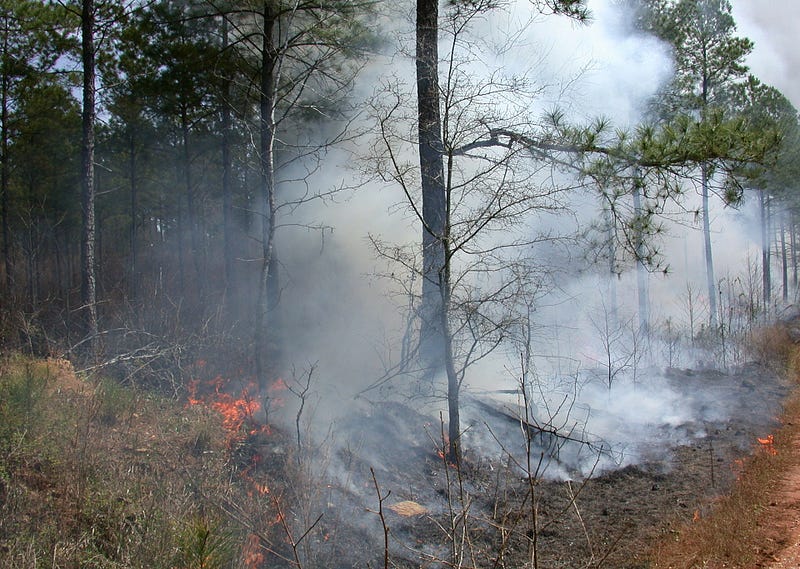
Balancing the needs of these species against the needs to safeguard humans and their homes and businesses is the reason we do prescribed burnings like the one pictured below. It’s to offer the forests what they need, clear out the underbrush that causes huge and uncontrollable fire events, and to keep it all in balance.
Pixabay License

Yes, fire sounds really scary, but if you’re a pine tree, a little occasional fire is actually helpful.

Lightning starts a fire, which then burns through the undergrowth of a forest, essentially “cleaning it out,” scorching trees and clearing away the forest litter and debris. This does several things. Firstly, it creates post-fire habitat which some species depend upon. Some species of birds, for example, will only nest in trees that have been burned. Secondly, fire is needed by some pine trees or else they could not reproduce.

Certain species of pine, like the lodgepole pine, for example, produce what is called serotinous cones which are sealed shut by a kind of resin that will not open to release the seeds until they are burned open.

These trees have not only evolved to become more fire-resistant, but fire is actually a part of their life cycle. Cool, huh?

Trees Can Skillfully Attract the Enemies of Their Enemies

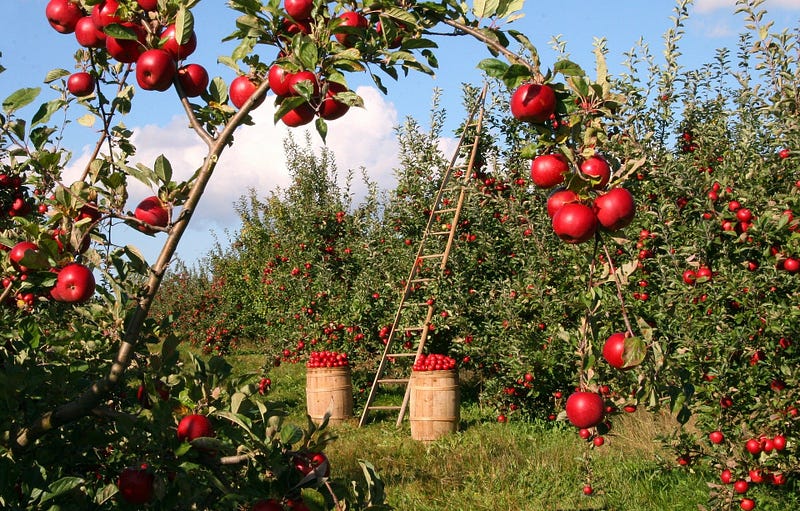
Picture this: You’re a happy apple tree, minding your business and those pesky caterpillars keep climbing up your trunk and nibbling away your beautiful hard-grown apples.
Pixabay License

So, you do what any tough apple tree would do and you emit a chemical that attracts birds that eat those grubby little worms.

Problem solved.

Trees Can Kill You

Some trees can make you sick or even kill you. The Manchineel tree, a member of the Euphorbiaceae family, is classified by the The Guiness World Book of records as the most dangerous tree in the world. All parts of this tree including the fruit are poisonous.
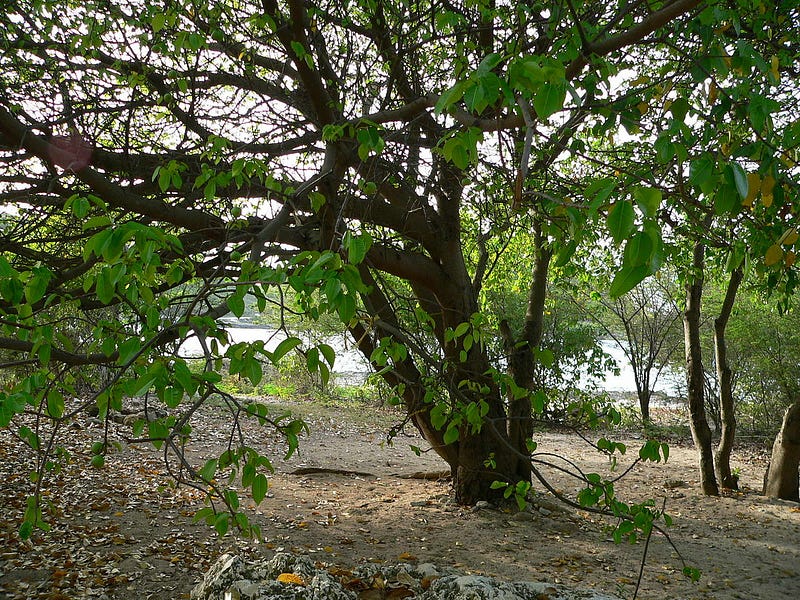
The Machineel tree

Even the leaves of this tree can poison water sources which could make you very ill or possibly kill you. Burning the wood from this tree can injure your eyes!

Tree-huggers beware this tree!

Also, the “suicide tree,” is a pretty dangerous tree. Tachigali versicolor is a tropical tree that produces a fruit you do not want to eat. Unless, of course, you want a rather immediate death, giving it the grisly nickname.
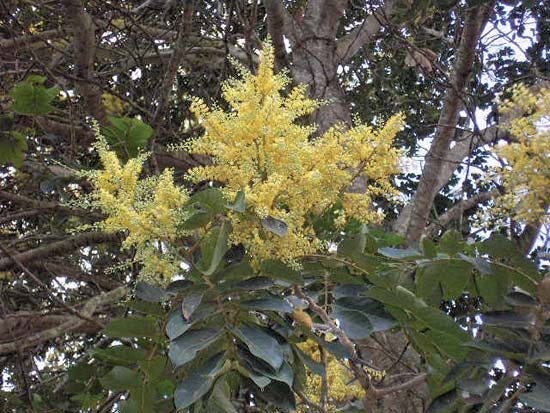
The Suicide Tree courtesy of Britannica

Trees Are Crime-Fighting Superheroes

Some trees wear invisible capes. Like, crime-fighting, superhero capes. Not only because they give us air which we breathe, help us feel more calm and healthy, and provide intrinsic beauty to our lives — but in some ways, they make our lives safer.

Studies have shown that trees in urban areas can lower crime rates (both crimes that occur in and out of homes), and reduce crimes such as graffiti, vandalism, and littering.
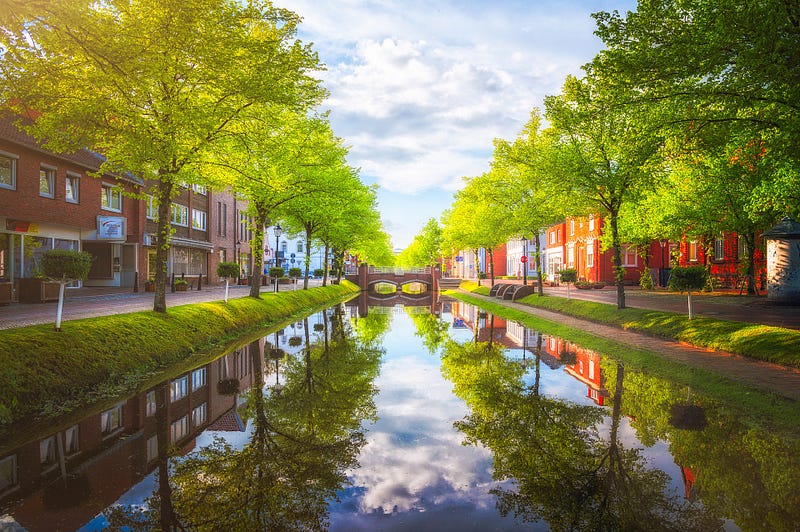
Pixabay License

Turns out — people act a little better when there are trees around, reminding them of the value and beauty of life. Maybe we need to take some of those crime statistics and choose some spots to plant lots more trees? Just a thought.

Thanks for reading today about the badassery of trees. Stay tuned for more great content!

Christina M. Ward is an environmental scientist and writer from the lovely state of North Carolina. If you enjoyed this content, perhaps you will enjoy some of the writer’s other works. Thank you for reading.

Trees
Nature
Science
Environment
Education
Recommended from ReadMedium