
5 Things NOT to Say to Someone Who Has an Eating Disorder.
The festive season can be difficult — *Trigger warning* Eating disorders.
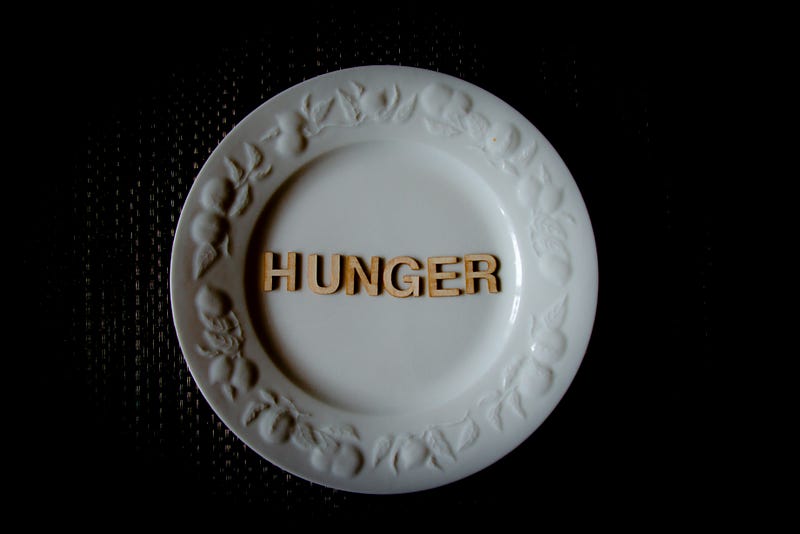
Eating disorders (ED’s) have the highest death rate among all mental illnesses, with anorexia being the deadliest of them all.
Does that surprise you? Because it surprised me, and I lived with anorexia for half of my life.
Why am I writing THIS list at Christmas time?
With the festive season upon us, and many dinner parties and gatherings to be attended, I thought this would be the perfect time to remind others that this time of the year can be the hardest for some.
In the past, the lead-up to Christmas (and especially Christmas day) would give me terrible anxiety, knowing that I would be put in public situations where everyone was eating food. To most people, this sounds great! Drinking and eating food with family, friends and colleagues…what more could you want?
For someone with an eating disorder, this is a nightmare.
Throughout my long battle with anorexia, there were many times when people unintentionally, sometimes intentionally, would say things to me that embarrassed me, called me out in front of others, and made me feel inferior. As well as this, I would get asked questions that were laced with judgment, pity and were hurtful and rude.
It’s quite simple really, always lead with empathy and kindness — plain and simple.
This list is for anyone who finds it difficult to talk to someone who has an ED and wants to learn a few ways to navigate the conversation respectfully and with empathy.
5 Things NOT to say to someone who has an eating disorder (ED)
1. “So, if you don’t eat very much, what DO you eat?”
Avoid talking about food in general around people with ED’s. Their mind is already preoccupied with thinking about food, so change the topic to something else. Plus, for me personally, I ate so little that I would be embarrassed to tell anyone what I ate. This led me to lie instead, which made me feel even worse.
2. “I feel so fat after eating my lunch, I ate way too much and feel sick now!”
Avoid any negative dialogue relating to food when around someone with an ED. For you, you are expressing how you feel in that moment, but as soon as that feeling goes, your thoughts will probably jump to what you’re having for dinner.
For someone with an ED, they will take that negative thought as validation for THEM to not eat, as in, if it feels that bad to be full, then why on earth would I want to feel like that too?
3. “I never see you eat anything, is that why you’re so skinny?”
This question is a damaging one, and it’s one that I have heard many times in my life. Firstly, as most people know, or should know, it is never okay to comment about someone’s weight (unless you are a doctor). Secondly, this type of question alerts the sufferer that you are keeping track of their food intake, which will cause them to hide it even more. Thirdly, an ED sufferer may take this concern for their health as motivation to continue what they are doing, since being ‘skinny’ is what the ED wants to hear (it is best to separate the person from the ED).
4. “What! You never eat chocolate or fast food? Wow, you must be healthy!?”
This was another common question/assumption I would hear, especially earlier on, when the illness was just starting to settle in, I didn’t look as visibly sick, just very slim. I always felt conflicted when people would say this, as I had failed to mention that I didn’t eat much of anything, let alone chocolate and fast food. I was far from healthy, in fact, I was slowly dying! Once again, the ED loved hearing this, which spurred it on even more.
5. “Are you sure you don’t want anything to eat? What about some fries or a burger? I’ll buy you some when I order mine”.
This type of question/forceful decision-making always came from a good place, and even though I knew this at the time, it would launch me into a complete panic and profusely asking the person not to buy me anything, as the food would be wasted along with their money. So, please, don’t buy the person food and try to make them eat it. This will not help; it just puts the sufferer in more distress and causes them shame and embarrassment.
By no means is this an exhaustive list and I am not a medical professional, I am just someone with a lived experience of anorexia, who has found the festive season a challenging one in the past.
There are many more things I could have added to this list, as well as giving you ideas of what IS okay to say. I might do this in a separate article as I know this topic can be a heavy one.
Overall, I hope you learned something new about eating disorders, perhaps something you didn’t know before reading this? I would love to hear your thoughts, stories, questions, and experiences in the comments.
And if ever in doubt, just tell the person you are there for them, when and if they need you. Remember, always lead with empathy!
I am dedicating this article to Aimee, a young woman I worked with many years ago who died far too young from anorexia (20 years old). She would have been 33 this year, the same age as me. I think about her often and it pushes me to continue my own recovery.
Disclaimer: This list is solely based on my experience, and I am now in recovery from anorexia, not recovered fully but FULL RECOVERY IS POSSIBLE, and that is what I am striving for. For someone who is fully recovered, these questions may not be harmful.