
What My Near Death Experience Taught Me About Success
Here’s the thing about “running out of time”…
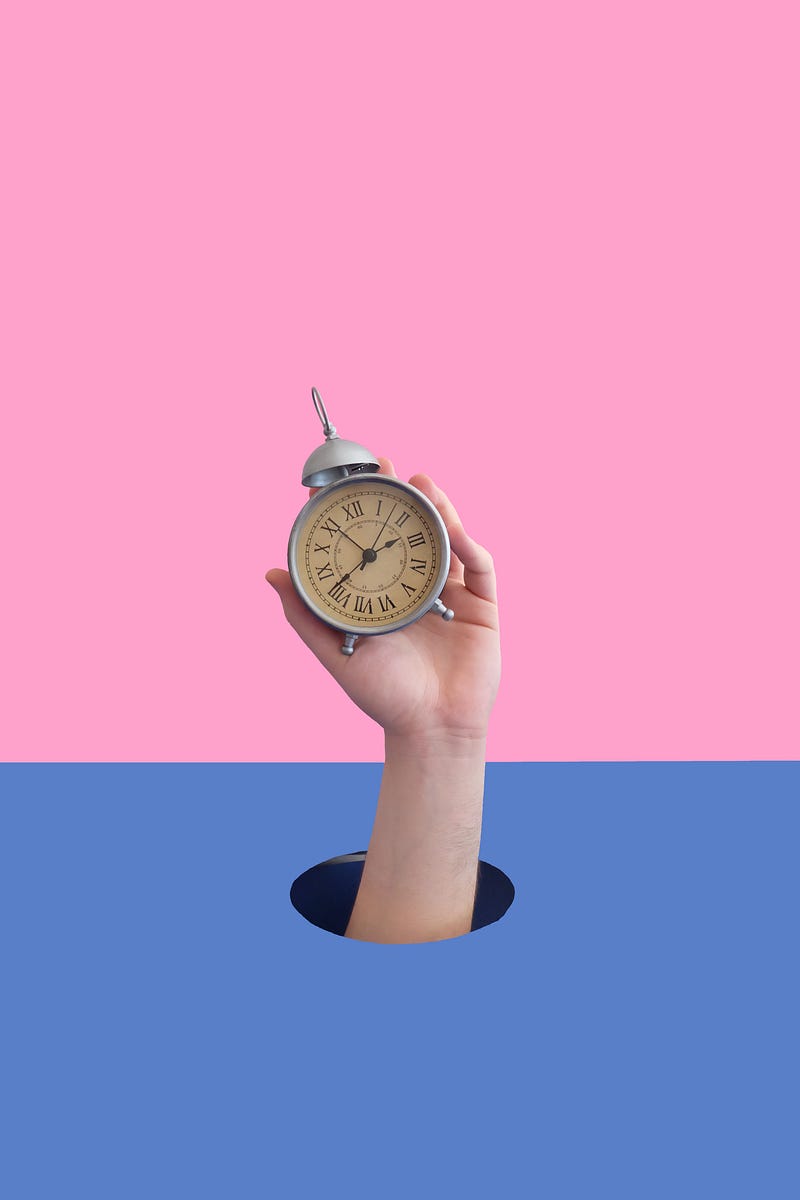
In January of 2022, I caught a mild case of COVID. It sucked, but the first few days felt like a bad flu.
Around the fourth day, I stopped being able to digest and keep down food, and to make a long story short…I never got better.
I haven’t eaten in almost two years.
Thanks to modern medicine I’m alive to tell the tale. I didn’t get to go back to my old life though.
Instead, I’ve had to adapt in unimaginable ways as I learned to self-advocate and navigate an often disjointed medical system.
I’ve also had to learn how to live with a new body, one that relies on tubes, artificial nutrition, and lots of rest.
It’s not all bad though.
I lost a lot, more than I could disclose in a short, readable article, but what I gained was life experience and many helpful new perspectives that allowed me to see the bigger picture.
Without this experience, I’d still be trying to figure out who I am, so in a funny way, I’m grateful for it.
Here’s what I’ve learned.
You’re Not Running Out of Time
It’s easy to feel like you’re one big change away from finally reaching success and ease.
I used to feel that way all the time, but I would burn out repeatedly trying to accomplish everything as quickly as possible. I just wanted to “make it there,” but quicker wasn’t necessarily “better.”.
Sometimes, quicker wasn’t even doable, but that didn’t stop me from trying.
I had built a whole identity around being strong, powering through, and showing people how productive I was. Sometimes it impressed people, and it often made me feel useful.
When I got sick, I had to accept that life wouldn’t work if I couldn’t be vulnerable and honest about my capabilities and who I am. I’m lucky if I can do 25–50% of what I previously could, and that’s on a good day.
The funny thing is, I don’t grieve for that loss (much) anymore. I wish I had learned how to acknowledge my limits sooner, because in hindsight “not having time for things” was usually the result of my own refusal to slow down.
I was “healthy” then, but I was afraid.
I tended to avoid diversifying how I spent my time in fear of “getting behind,” so I gravitated toward whatever I thought would help me get ahead.
I was ironically saving most of my enjoyable and fulfilling activities for when I “made it” to that place of success and ease I was imagining.
This is a place that never actually existed, because before I could get there my whole life changed due to things I had absolutely no control over.
Guess what I spend most of my free time doing now?
Capacity is The Secret to “Success”
When I was forced to slow down, my definition of success and ease had to start including my present life and capabilities, or I would have to accept a permanent loss of purpose.
I was not willing to write off my entire life as a loss.
Instead of waiting for the future, I began to practice enjoying and utilizing what is available to me right now. This has had a really positive effect on my body, stress level, feelings of fulfillment, and mental health.
Instead of continually grieving the life and capabilities I’ve lost, it’s allowed me to learn more about myself and my interests.
With this change of outlook, I might be chronically ill with significant limitations but I’m happier than I’ve ever been.
If you think you’re running out of time, I’ll leave you with this:
Capacity is more important than output.
Only when you identify your capacity can you begin to create a life that’s right for you. Straining beyond that, like when I try to keep up with my old life, burns me out and creates feelings of loss when I fail.
Then, I’m forced to recover as I grieve.
Similarly, attempting less than my capacity leaves me feeling unfulfilled, frustrated, and bitter because I know I am playing it too safe. When I avoid my passions, my creativity goes untapped, and it becomes too heavy to carry.
As a chronically ill person, I try to strike a balance between honoring my limits and refusing to give in to my apprehensions.
This usually means choosing not to label something as “impossible” before I attempt to make it work for my circumstances.
It also means I’m more frequently choosing to be creative with my passions and interests, and finding the sweet spot between using established, successful methods and modified, more personal ones.
Because I understand my capacity, I can foster sustainability. Sustainability allows room for my life to flourish as a whole.
It honors all of my needs in a holistic way, and it’s the only way to give my capacity a chance to grow. I can now do most of the meaningful things I want to do, and I don’t stress as much when I need to let something go.
Usually, it just feels like a shoe that won’t fit.
And if something is really important to me, when I feel that motivation burning inside of me…
I know how important it is to listen.
Keep a lookout for part 2, coming soon. Follow me on Medium at Chronic Wellness for story updates.


