
Things I learnt from trying to sell a single leather wallet on Kickstarter
In 2018, my brother and I finally made a video, uploaded it on Kickstarter as a Quickstarter and achieved a small goal that we were embarrassed to have- make a single “sale” of a physical product that we created. Almost 2 years later, a backer still reached out for more.
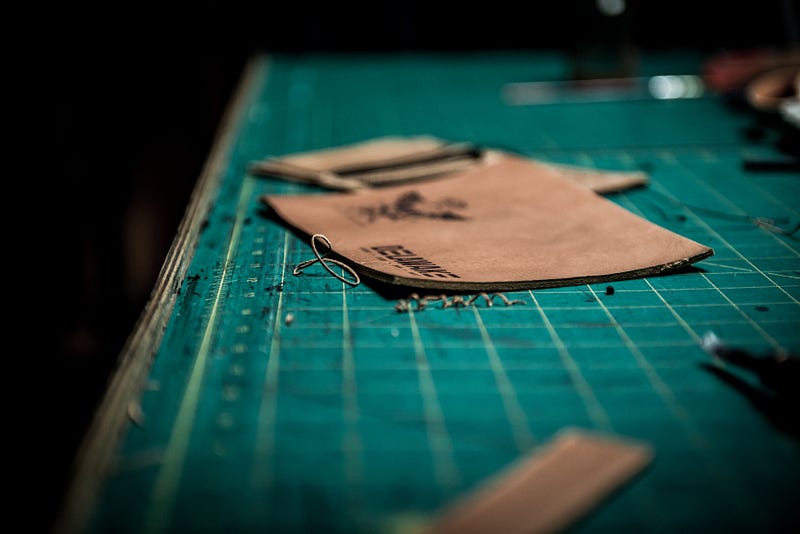
My brother and I wanted to sell a simple leather cardholder.
This all started when my brother got into leather products. He had a phase where he was into leathercraft and handstitched his own leather wallet, clutch etc. Through this hobby, he learnt how to identify quality leather products with quality workmanship. So, he approached a manufacturer to prototype a high quality stitched wallet which he wanted to sell.
Months past and he finally had in his hands the sample of the product he was excited to share with the world- a simple no-nonsense quality leather cardholder which could be used as a wallet. It was stitched with top grain leather and RFID protection.
Of course, he (and I) had the fanciful hopes and dreams that this would be the start of a multi-million dollar brand that would allow us to go on fancy holidays and drive posh cars. However, we decided to start with 1 goal — sell just o-n-e.
The caveat was we wanted the sale or support to be real and not from family members. In other words, not from our grandfather who would be trying to shelter our fragile millennial pride or the pity funding from mum. It had to be support from someone who we didn’t know and who would hold a more than a healthy level of scepticism.
These were the 5 things I learnt from that adventure in September 2018, starting from the ending.
5. AFTER we made the sale, our product quality, service and commitment to deliver on our promises were the dominant factors of success, not marketing.
What do you call a person who sells you a spaceship that can travel to the moon, but eventually delivers a car? A fraud or a disappointment.
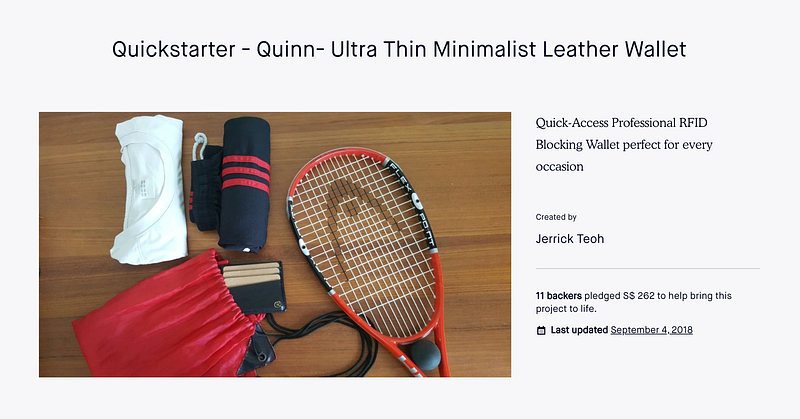
After a supporter funded a commitment on Kickstarter, our “sale” was done. In fact, we had 11 of them. Some from parts of the world a million miles away from us. We definitely achieved our simple goal of making a “real” sale. However, the story was far from over.
Thankfully, upon the completion of the campaign, we worked closely with the manufacturer so that we could ship out our wallets in the time frame within our estimated delivery time. We wanted to show we can deliver on our promises.
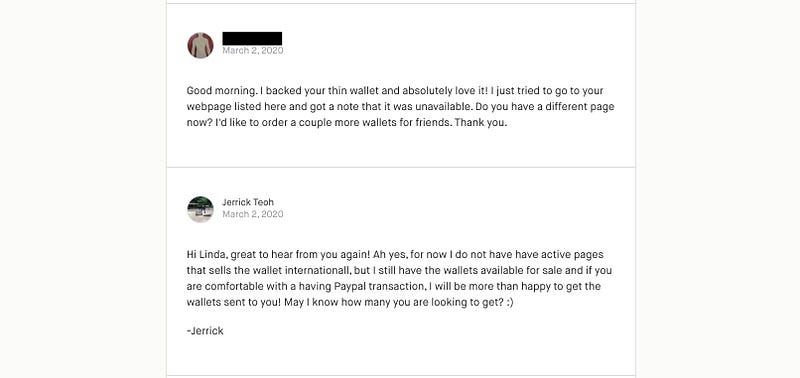
Also, because all the work on the product had already been done, our few supporters were very happy with the quality of the cardholder they received. In fact, once in a while we still get requests from them on whether they can get another one or two. As recent as March 2020, two full years after the campaign, someone actually reached out to us hoping to get more. We were completely blown away.
4. BEFORE the customer bought the product, communication and marketing were paramount, not the actual product quality.
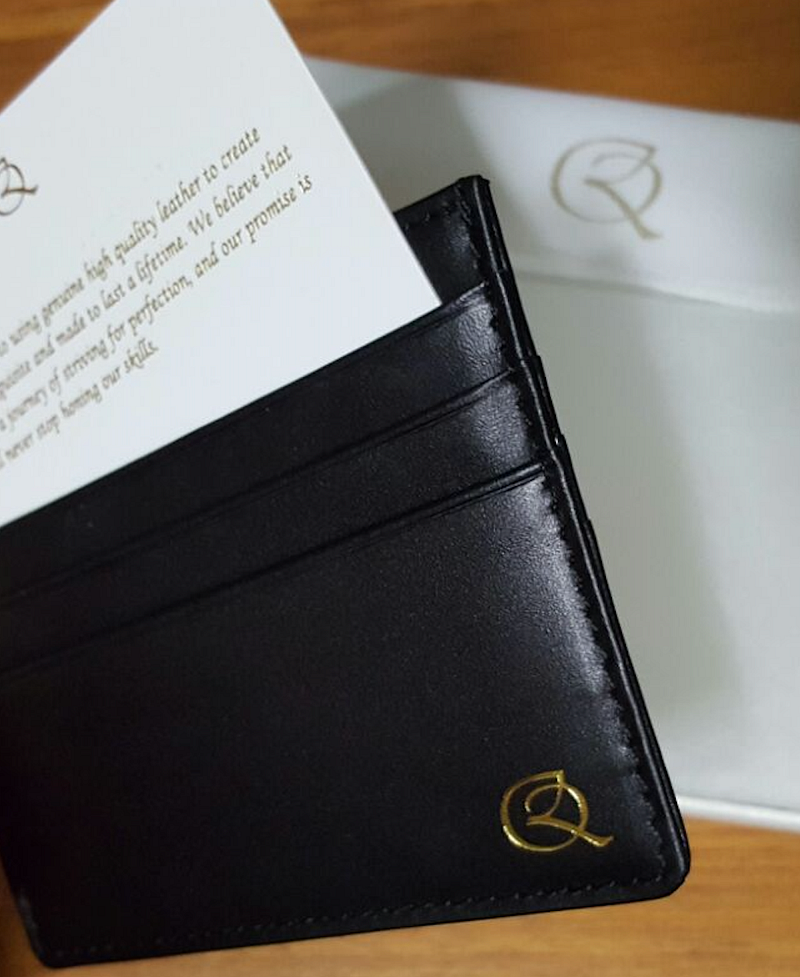
While we held the sample in our hands, the supple black leather and clean stitches, my brother knew that this was definitely a quality product which we made a reasonable price. Yet, it became patently clear that our potential customer (or backer) will never be able to touch or feel it before supporting us.
Further, we were completely new with no reviews and no recognised branding. We had to communicate the quality and story of the product entirely through the screen of a computer. Looking back, I realised that none of our eventual supporters could really experience the product. They simply saw photos or watched a video which we hoped communicated the story and value that this simple cardholder brings.
We hardly think this experience would be universal for every product, and every situation. However, it was a particularly glaring insight for us that communication and marketing were so important online, and how no one can verify the actual product and its quality except of us.
3. Getting started does not require the latest gadget, big marketing budgets or fancy graphics
It would be great to have included a 2-second scene where the video cuts to a black Audi, a chiselled model wearing a formal blazer and jeans opens the driver’s door. He emerges and we cut to the zoom-in showing him taking the slick black wallet out from his inner blazer pocket.
But guess what- we had no Audi, no chiselled model and no expensive video equipment.
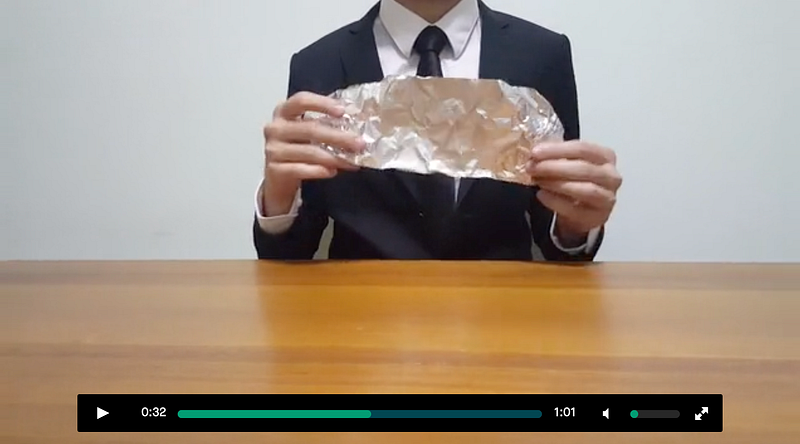
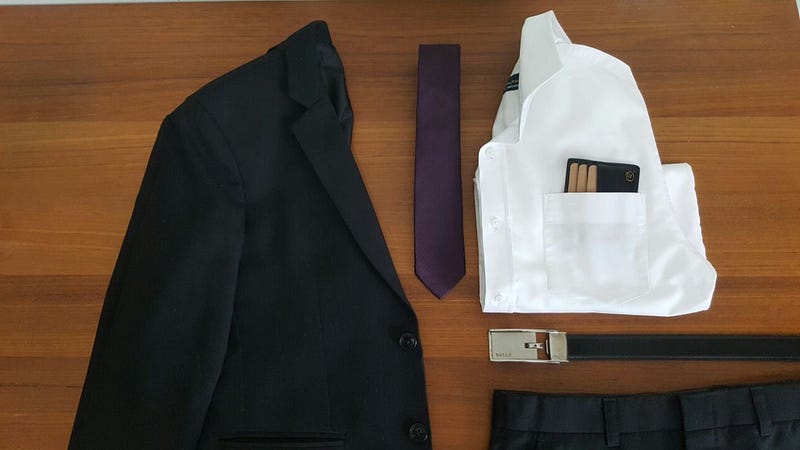
We did have a smartphone camera, a red toy Ferrari, a nice blazer, needles, hammer and an entire house full of material. We also knew basic video editing from iMovie. Those materials and skills props were what ended up using.
The point of reflection really was that we already had everything we needed literally within a stone’s throw away. If we didn’t have a toy car and a fancy blazer we would have to think of something else. Look, we took aluminium foil, wiggled it a bit, just to make the point that we wanted a “flashier” wallet.
Nobody really needed an actual Audi.
2. It’s real work trying to be resourceful
Making things work required a resolve- that we were going to prove to ourselves that we can actually convince 1 person (who we didn't know) support us. We sat down, brainstormed, threw out ideas, amended it, then threw even more ideas out.
Having said that, we didn’t take extremely long to figure out a concept and execute it. The turning point was the decision to do it and the acceptance that we will sit down and produce a video.
Before that, we would hope that we would get the inspiration going about our days, watching random Youtube videos and playing video games. We did get ideas here and there, but it would always be too complicated, out of budget or outside our available skills.
Executing a plan with the resources around us really required us to pay attention. The real work was trying to be creative with what we had around us.
1. Small goals motivated us
Having the simple goal of getting 1 supporter made us focused on what had to be done to make it happen. It really didn’t have to be on Kickstarter. We could have knocked on doors asking our neighbours. However, we just thought that an online medium would enable us to be more efficient with our time.
Visualising that 1 customer made us confident enough to try, and try hard enough to execute a plan. If it wasn’t for breaking down our lofty dreams into the smallest of objective, we may have still been stuck in front of our computers, procrastinating and worrying about what we wish we had to achieve unattainable targets.
In the end, this was a very small project but it meant a lot to my brother and I. To be able to make a “sale” and deliver on our promise. Turns out that this was the reason we were not called a fraud, and some of these supporters actually reached out requesting for more after that.