
5 Things I Learned from The Happiest People in The World
And how I used them to change my life for the better
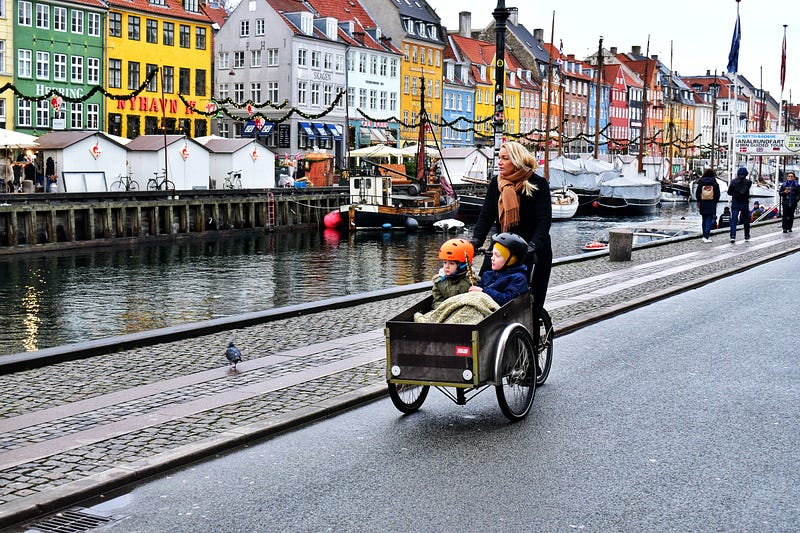
When I arrived in Denmark, ranked the second happiest country in the world, I was lost, tense, neurotic, and hard as a rock. A normal state of mind for a New Yorker, but for a Danish person — almost unheard of.
In Copenhagen, people seemed calmer, quieter, less addicted to electronics, and more present with one another. They seemed to be at peace. In the land of such contentment, I was almost embarrassed by how anxious and restless I was.
Sure, I was coming from a complicated city in a complicated country, but excuses or complaints weren’t gonna help me to feel better in the new place. I wanted to be one of those happy people.
I did my best to analyze and copy the Danish behavior until it started to make sense. Eventually, it became second nature to me, and I did feel happier as a result.
So here are some things I learned from the (almost) happiest people in the world.
1. Your surroundings matter (a lot)
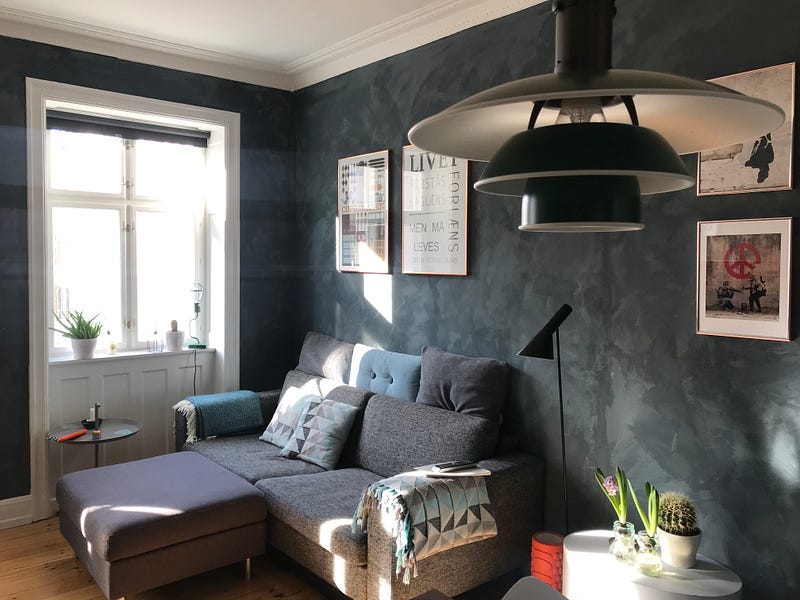
Danish design and architecture are world famous and there’s a reason for it — Danes are obsessed with the way things look.
They truly believe that what you see, touch or feel affects your well-being, and they pay a lot of attention to their surroundings. (I wrote about the connection between design and happiness here.)
Just like looking at nature, even in a photograph, can make you feel calmer, looking at an aesthetically pleasing building, a plate or a sweater can be a subtle mood-booster. If this positive stimulus occurs throughout the day every day, you’ll have no choice but to be affected by it.
Danes are known for their minimalism and their careful consumption habits. Every Danish home I visited was thoughtfully, even if modestly, decorated and decluttered. Danes rightfully believe that clutter in your home leads to clutter in your head. And with some of the world’s highest taxes, they approach their purchases carefully.
Instead of buying a lot of cheap low-quality products, like we often do in the U.S., Danes prefer to save up for better-made objects that could be kept for many years and even passed on to future generations. And that is how shopping should be done.
Since living in Denmark, I re-evaluated my own relationship with both, the amount of shopping I do and the quality of items I buy. I also look for beauty in all things that surround me, in the neighborhood where I live, and in the buildings I visit.
I’ll never take aesthetics for granted again.
2. Coziness is everything
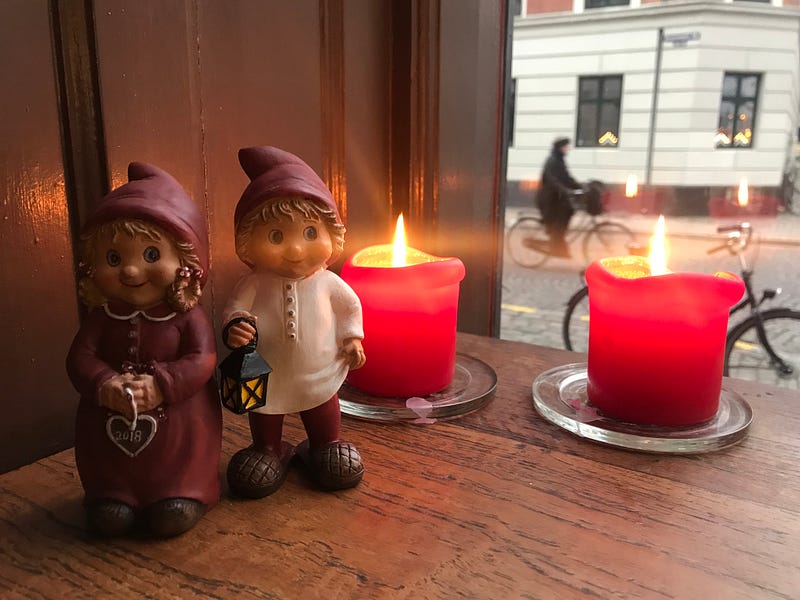
And then there’s “hygge” — the art of coziness — a popular term attributed to Denmark. The idea behind it is simple: make yourself as cozy as possible, as often as you can.
No wonder Danes are the world’s biggest consumers of candles. In cafes, stores, offices, homes, and next to sausage rolls in the supermarket, you’ll find candles and everything that goes with them, from socks to candy. My co-working office had them and so did my (male) roommate.
It seems that everyone in Denmark lives with dimmed lights, a woolen blanket, and a fur rug. Bright lights are a big no-no for Danes, and my Danish husband, now living in America, still refuses to dine at any establishment that doesn’t have dimmed “cozy” lighting.
Every night In Denmark, I turned down the lights, lit a candle or two, made a cup of warm tea, and pulled a soft blanket over my knees. I felt instantly relaxed and a bit happier, too.
3. Life is about other people
The best thing about “hygge” is that Danes believe in sharing it with others. Over a drink or a meal, or simply sitting by the fire, coziness is better when it’s shared with loved ones.
Community, be it family or friends, is a big deal for Danish people, as life is simply not meant to be spent alone. And, from what I’ve noticed, Danes are rarely alone.
They naturally place spending quality time with other people above personal possessions or achievements.
Even in my co-working space, I was surprised to see that lunches were eaten together by all members, at large communal dining tables (with candles, of course). To an on-the-go-eating American, this was a shock and a challenge to overcome. But overcome it I did.
After much hesitation, I joined in and shared my (warm) meal with a group of co-workers, at a large dining table and with silverware, like a proper adult. No one talked about work or politics. No one talked loudly or demanded attention. This dining experience was about enjoying each other’s company — something I haven’t experienced in a while in the U.S.
While I still remain anxious in a large group of people, since my return from Denmark, I’ve been making more effort to connect with others and consciously invest in relationships with friends and family.
It seems so simple now, but it took me a long time to understand that life is indeed about sharing it with other people.
4. Life is for enjoyment, not winning
Not only life is meant to be shared, it is also meant to be enjoyed. Seems like a no-brainer, but, coming from America, I had my life goals all backward.
In Denmark, I saw a nation that was not built for consumerism, competition, and personal achievement but for simple and quiet enjoyment.
Danish people believe that no one should have too much and no one should have too little. Showing off your achievements and possessions is considered poor taste. And competitiveness is flat-out discouraged. Sure, it’s not the most stimulating environment to be in but it sure is a relaxing one.
High prices and taxes keep shopping to a minimum in Denmark, so Danish lives don’t revolve around constant buying and returning, or wanting to have bigger and better things but around building families, enjoying dinners with friends, board games, or a few (too many) beers.
Simple pleasures really, but what matters more?
While watching Danes quietly go about their lives, I too, reconsidered my values and life goals, Suddenly, having a million dollars didn’t seem as important as having a life well enjoyed in good company.
5. Biking makes you happy (and fit)
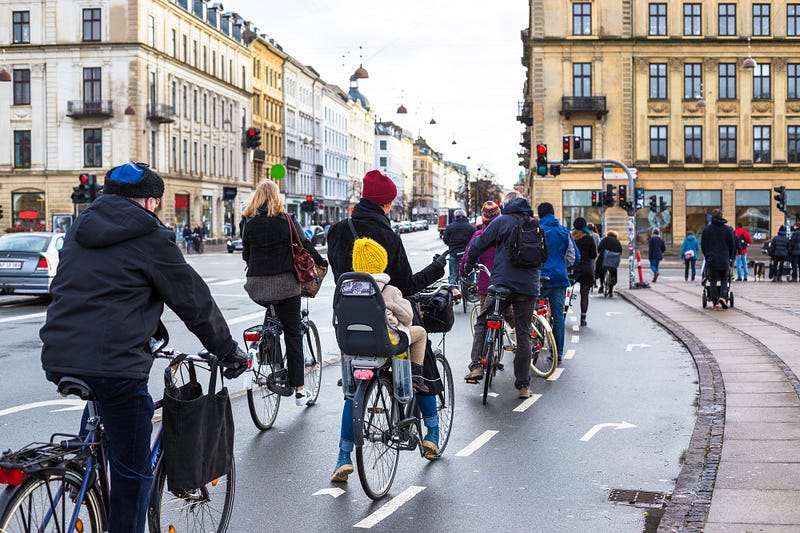
As a New Yorker, I thought I knew everything about commuting without a car. And then I came to Copenhagen, a city where 50% of its citizens commuted by bicycles.
After two weeks of hesitation, I gave in and bought a bike. I never left the house without it again. And I never felt so carefree and happy going places as I did then.
It’s no coincidence that the happiest people in the world spend their days on two wheels.
How many childhood joys do we get to enjoy as adults? When carried over into adulthood, a child’s carefree bike ride is an instant source of happiness. Now, imagine a nation full of those.
Luckily, Copenhagen’s streets were built with bikes in mind, and commuters get to enjoy not just bike lanes but bike roads all throughout the city. It made my biking experience the safest and most relaxing I’ve ever had. It helped that, with Denmark being very safe, I used a tiny wheel lock, like most Danes do, and never had to lug around a heavy chain or a U-lock.
Back in the U.S., we managed to find a city (Santa Monica, CA) that prides itself on being bike-friendly. While no Denmark, they have indeed come very far here in improving and promoting biking infrastructure.
I am now a firm believer that life is better with a bike in it.
While none of these habits were groundbreaking for me, making them a priority was.
If finding happiness is a puzzle, then I’m a bit closer to solving it after living in Denmark.


