
5 Things I Changed in 2020 To Manage My Anxiety
Because this year has been an anxious time for us all
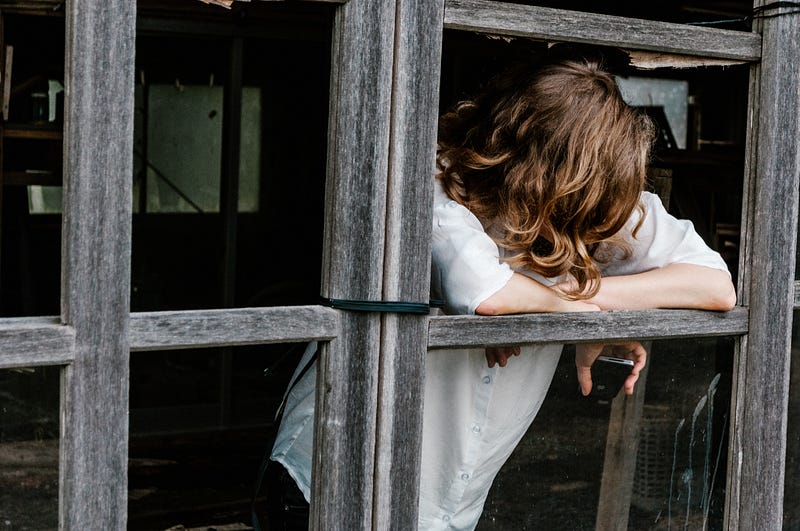
Despite the experience of the pandemic being something universal — it has affected everyone in different ways. However, mental health has been dominating the conversation as people’s lives and the essence of “normality” changed overnight.
With more than two-thirds of adults in the UK reporting feeling worried about the effect that Covid-19 is having on their life, it seems like a pretty good time to talk about anxiety and how to manage it.
The pandemic has changed our lives in many ways — for the good or bad — but one thing is for sure, it has opened the valve for having more conversations about mental health.
Although I’ve suffered from some form of anxiety for most of my adult life, it’s taken me until this point to write openly about it online. I’m not writing this from a place of superior knowledge or expertise, but only, my own experience. The things I mention in this article helped me, but they may not help you. However, I believe it’s essential to open up the conversation and feature as many personal experiences as possible.
2020 has been a challenging time for everybody’s mental health, including my own. But here are five things I started doing this year to try and self manage my anxiety.
Being Mindful of Social Media use

Like many — during the pandemic, I have been spending more time on my phone; with long evenings spent glued to my screen, coupled with longer “scroll breaks” during the day, has made me develop a very antagonistic relationship with social media. Doom scrolling refers to when the act of consuming media is detrimental to the mental health of the person consuming it.
For me, it was a way to self-sabotage and further myself into the pit of anxiety and hopelessness I was already feeling.
I would scroll through Instagram and the endless reels of TikTok to compare myself to others. It became a way to punish myself which was used as a form of self-harm — eventually, I reached a breaking point and had to stop. I took a week off social media entirely in October, which forced me to gain some perspective.
I now only use Instagram for promoting my writing, follow people who genuinely make me feel good and add something to my life, and generally speaking, only spend around 10–15 minutes a day on the app. I don’t use TikTok at all.
It’s hard to break the habit once you’ve started, but doing so has improved my mental health. As someone who naturally compares themselves to others, social media only further facilitates this, so it was essential for me to take some time away from it and be more mindful of my consumption.
The process of taking time away from social media made me re-assess what I was consuming, how it was making me feel, and I became more conscious of what I was consuming. It also made me realise the importance of having phone — and social media-free — moments of the day.
When I wake up in the morning, I no longer turn my phone on straight away or scroll in bed — instead, I make a cup of tea or coffee and read something. At least at this rate, I can banish any negativity I may feel at the start of the day.
Re-assessing My Relationship With exercise
In my final year at university, I got really into powerlifting as a way to manage my anxiety and as a result, have regularly used the gym since — purely for the mental health benefits. As soon as lockdown happened and the gyms closed, that changed. Doing home workouts was okay, but it was the outdoors I began to crave.
During this year, I’ve got back into running — but massively had to shift my perspective on it. I used to be obsessed with stats, distance, pace and improving every time. I used to beat myself up if I did a run one day and didn’t make any improvements since the last. As soon as I started to ditch those expectations, I was able to improve my relationship with running.
I’ve started viewing running purely as an opportunity to move outside, and all my expectations about mileage have gone. Taking the pressure off has been essential for quelling any negative connotations I used to have with it.
Running helps to ease my anxiety because the act in itself is meditative to me. By putting one foot in front of the other, listening to the regular pattern of my breathing and the rhythm of my swinging arms, I view it as a form of meditation. When I’m running — rarely, I think about anything else apart from the pain, and all my anxieties disappear.
But most importantly, once I began to view it not as a competition with myself — but as a chance to move and enjoy myself — my relationship with it improved, and I no longer got the pre-exercise anxiety filled with expectations that I used to get.
Having a Mindful Morning
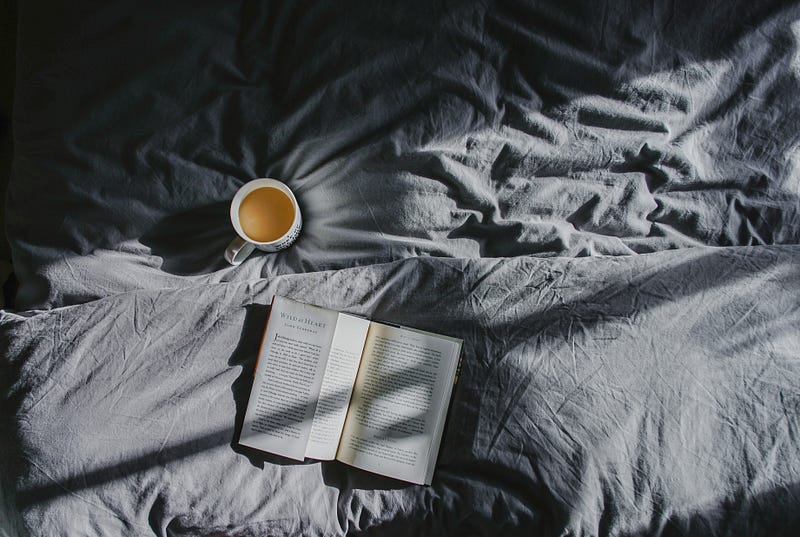
Mindful mornings may sound like a load of self-help BS but hear me out. During lockdown, I soon realised the value of having a routine and that I was a morning person through and through. In the first few months, I allowed myself to bathe in the glory of alarm free mornings and scrolling in bed, but it soon made me feel pretty rubbish.
Even if I don’t do much — I realised it was vital for me to be up and out, at least by 7:30 am, any later than that, then the rest of the day feels sluggish.
A mindful morning for me involves taking the time to write down how I feel before I approach anything. This new concept I’ve come across called “Morning Pages” involves writing down how you feel in a stream of consciousness form, every morning.
This has many benefits for me as a writer, as it gets the cogs turning before writing anything else. Still, it also helps me to rationalise any anxieties I have, so they don’t linger and consume me so much for the rest of the day.
My mornings are now slow, and this forces me to be mindful, and more aware of the present, which is key to regulating my racing mind.
Learning the Importance of When to Say no
This year has been the year of saying no. I am a classic people pleaser, always saying yes to things and people even when I know I desperately don’t want to do them, and I’ll spend days and weeks agonising over them.
But this year, I’ve learnt the value of saying no, and recognising when partaking in something will be detrimental to my wellbeing. If you’re afraid of letting a friend down, the truth is, if they don’t understand your reasoning or how you feel, then they’re not a real friend. There is so much value in being honest and explaining how you feel — even when it’s hard.
Crucially, there’s a massive difference between saying yes to doing things and going out of your comfort zone, to doing things that won’t benefit you in the long run and will only cause you anxiety and stress. Learning to say no, saved me a lot of sleepless nights and anxiety-filled days.
Sitting and Doing nothing — once in a while
Let’s face it — I’ve had a lot of time this year to sit and do nothing. But you know what? For once I no longer guilt trip myself into thinking I need to be more productive.
I broke up with the stresses of productivity culture — that I had become so attuned to during my university years — and instead, began to recognise the value of just sitting, not doing much, and embracing the present moment.
From time to time — there’s value in sitting with yourself and doing nothing and taking in your surroundings, letting thoughts come and go and just being.
The pandemic has taught us the value of slowing down — and curling up on the sofa with a cup of tea and a book — is not a cop-out. If it makes you feel good — then by all means — do it. I will never guilt-trip myself into doing things all the time ever again, as it only leads to burn out and more anxiety.
Notably, by writing this, I’m not claiming that my anxiety has magically gone away from doing these things because it hasn’t. I still have the occasional sleepless night, racing mind, and anxiety-filled days — and that’s okay, I’m human just as the rest of us are. But doing these things have helped to manage my anxiety.
I’m off medication now — but that doesn’t mean I would never go back on it — if it works for you, then, by all means, persevere with it. But if you’re looking for some ways to try and manage your anxiety, then I hope some of these will help.

You just read another post from In Fitness And In Health: a health and fitness community dedicated to sharing knowledge, lessons, and suggestions to living happier, healthier lives.
If you’d like to join our newsletter and receive more stories like this one, tap here.


