
5 Terrifying Superstitions That Are Too Legendary
Unsettling and haunting omens are a worldwide thing.
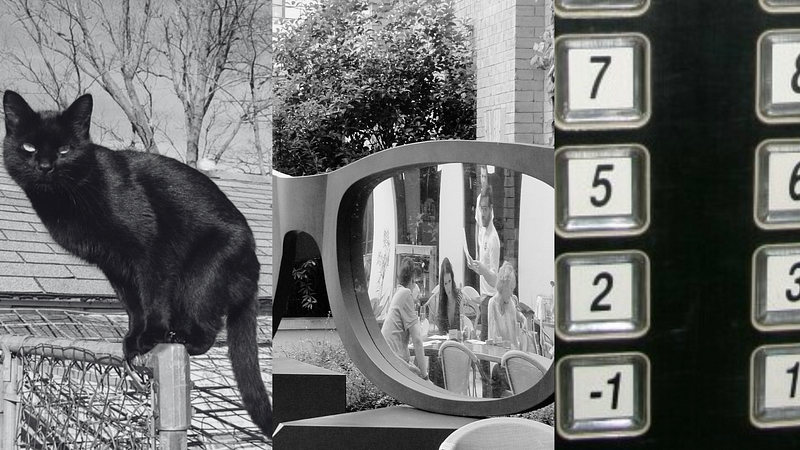
There are many superstitions that people carry around with them constantly, whether it be passed down through stories, or something they might have witnessed firsthand.
Not everyone spends their days knocking on wood for good luck or throwing salt over their shoulders, but it provides a sense of security to those who believe in it.
Here are a few superstitions that people all around the world carry with them and where they originated from.
1- Crossing Paths with Black Cats
We know cats to be cute and cuddly creatures of pure dopamine. However, black cats were often subject to prejudice due to ancient mythological folklore surrounding them.
One tale states that witches used to keep black cats as their common familiars. (Familiar = demon/ satan obeying a witch in the form of an animal).
Due to this, people started associating black cats with a form of witchcraft, bad luck, and misfortune.


In Denmark, there is the superstition that you should not talk about any classified matters with a cat in the room as they will spread the information around.
It’s where the phrase “don’t let the cat out of the bag” originates from. However, in Scotland, England, and Ireland, black cats are considered a sign of good luck. This isn’t entirely enough for people to start appreciating and caring about black cats, more often than not black cats still end up being adopted the least from shelters.
2- Death is a 5 letter word
In Chinese culture, the number 4 is considered taboo because the Chinese pronunciation of 4 is very similar to that of death.
This results in omitting the number 4 from any place possible in China, including building floor numbers, table numbers, phone models, and even license plates.
The fear of the number 4 is called tetraphobia. People also tend to avoid giving gifts and money with the number 4 anywhere in it; it is as horrid as wishing death upon someone.


This is also the case in Korea and Japan as well. In Japan, the number 49 is an even bigger superstition as it sounds similar to “die in painful death”.
9 in itself is also an unlucky number in Japan as it is similar sounding to the word “suffer”. Similarly, in American culture, people avoid the number 13 due to its superstitious implications for Friday the 13th.
Neither of these superstitions is true, however, culture runs deep in our souls so people will continue with it even if they know the truth.
3- Mirror, mirror on the wall
Want a quick life hack to get 7 years of bad luck? Simply break a mirror. It started all the way back from the Romans who believed that mirrors hold bits of your soul and the soul regenerated every 7 years.
So every time a mirror was broken, a person would go 7 years with a broken soul (bad luck). This superstition led to a culture-wide practice of covering mirrors when someone died to prevent their soul from escaping. Moreover, it adds to the number 7 being associated with luck.
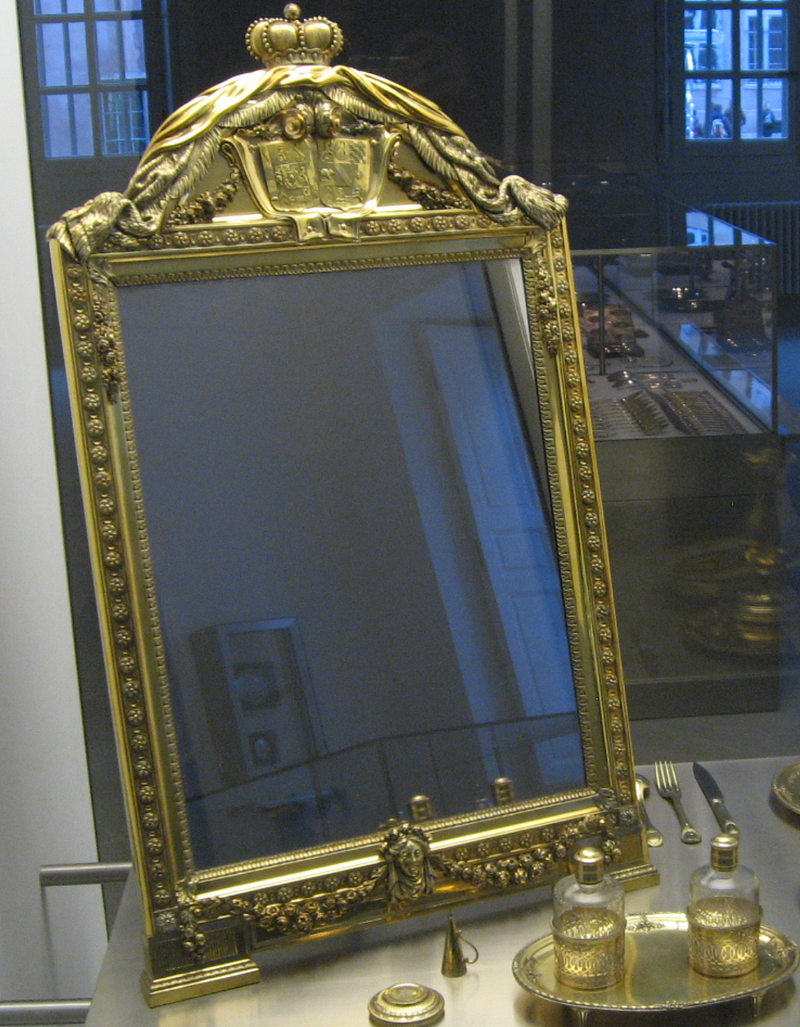

Another theory for the bad luck that occurs after breaking the mirror stemmed from the idea that mirrors were God’s device and shattering it would anger God.
Thus God punishes the person by subduing them to bad luck. The only way one would avoid bad luck is by throwing salt over their shoulder immediately to get rid of the ‘Devil’ who shadows you from behind.
If you don’t have salt near you, simply spin 3 times anti-clockwise to confuse the evil spirits so you can walk away before they get to you.
4- The Shakespearean play that still spreads tragedy
Macbeth is a tragedy, both in the play and in reality. A scene in the play that included witchcraft incantations was deeply unappreciated by the witches at the time.
Hence, they cursed Shakespeare and the play, leading the opening performance to be a series of unfortunate disasters such as using real daggers and the untimely death of actors.
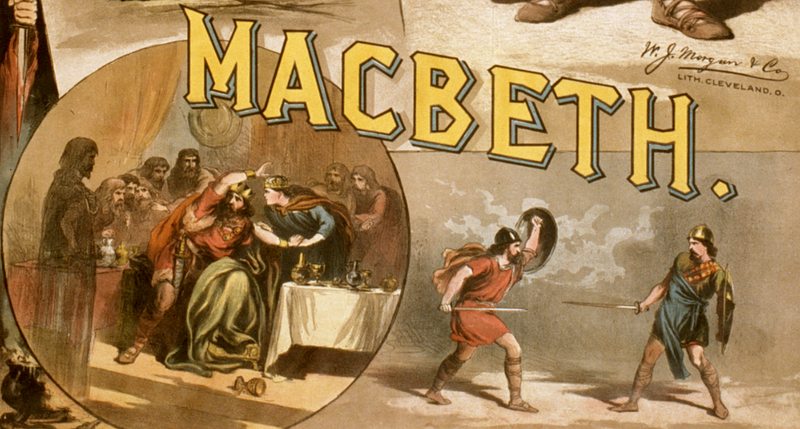

Attempts at reboots also lead to tragedy within the theater communities, such as rivalries, faulty equipment, falls, and deaths.
The play was doomed from the beginning, but now even its name is a taboo in the theater. People are advised to not mention Macbeth within theater grounds, or even quote it.
If someone slips up and mentions it, they must perform a series of rituals to get rid of the curse. This includes spinning around 3 times, spitting, cursing, and knocking on the door to be let back into the theater grounds.
5- Beware the name in red, it leads to death
In Korean culture, red ink was often used to write the name of the dead in family registers and documents. Therefore, they would never use it to write the name of the living on official documents.


Unofficially, however, it was believed that if someone were to write the name of the living in red, that means they were wishing them death and could possibly bring bad luck upon that person.
Red ink generically also signifies danger, violence and war. Within Asian cultures, red also signifies blood, thus linking it to death.
Writing a deceased person’s name in red is believed to ward off any lingering evil spirits. There is no restriction in using a red stamp however in Korea and red ink for anything other than writing alive people’s names.
In Nutshell: Mythical or not, it’s a part of us
Personally, I am not a superstitious person, but I often wonder if I’m going to have a bad day when I cross paths with a black cat.
This goes to show how deep these stories are engraved in us and how we carry parts of history with us everywhere.


If you are someone who acts upon every superstition, then stick to it, it keeps you grounded and stops an endless spiral of wondering if the devil is out to get you.
In my opinion, superstitions are not a bad thing at all, they simply add to a person’s personality and way of life.
Want to follow up more from me and other amazing writers on Medium?
Hop on the chance to join: