
5 Surprises from City to Country Living
Moving to the country wasn’t an easy transition, but it helped us find peace.
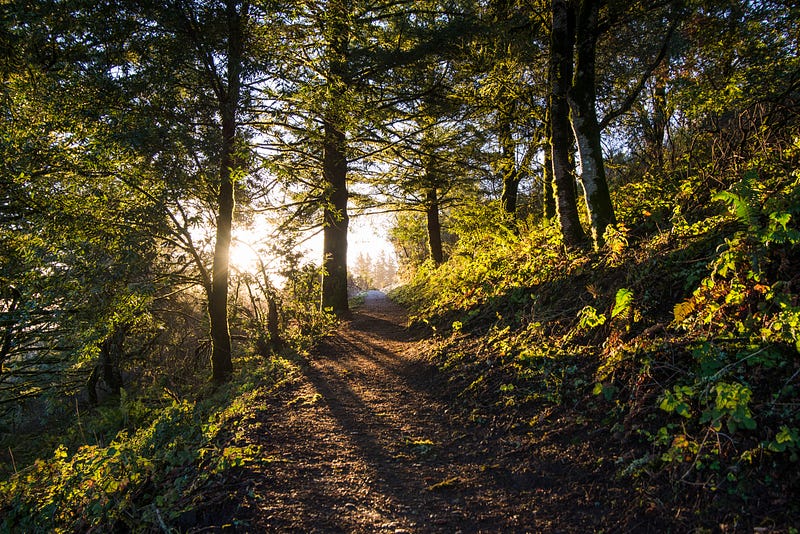
About two years ago, my husband and I decided it was time for a change.
At the time, we were living in a beautiful house in a quiet neighborhood in Indianapolis, Indiana. It was far enough from downtown to be away from the hustle and bustle, but it was close enough for a quick commute. For a while, we felt like we had it all.
But then things started to change.
Within only a few months, several of our neighbors sold their houses, and the people who bought them changed the neighborhood drastically. Suddenly it was all booming bases and large parties, junk cars and angry dogs.
I remember one night the neighbor’s base was so loud that it rattled the panes of glass in our windows, but no matter where we went — front yard, back yard, upstairs, downstairs — we couldn’t get any privacy or peace.
That’s when we decided to move. And several acres later, we are much happier — but moving from the city to the country wasn’t an easy transition. There were, to say the least, a handful of surprises:
1. The first thing I noticed was how dark it was at night.
No streetlights, no headlights, no houselights. When I stepped outside and turned off our porchlight, I was pitched into shadows thicker than any I had seen in the past ten years. At first, it was a little unsettling — we could hear animals rustling through dry leaves in the wooded hills, but we couldn’t see them.
After a few weeks, that darkness became more of a comfort. There is safety in solitude.
2. From my experience, people in the country are drastically different than people in the city.
As soon as we moved, scowls shifted into smiles. Strangers would wave to us and ask us questions; they wanted to know who we were and where we were from. When we bought straw to lay over our freshly seeded lawn, another customer even offered to help us load the bales into our vehicle.
Your environment can craft your entire outlook on life. It matters.
3. When we moved out of the city, there was a drastic political shift.
Republican flags decorated houses and lawns, and “Make America Great Again” hats sat on the counters at hardware stores, waiting to be sold, bought, and worn.
Guns became a regular part of conversation, too — where to shoot, what you shoot, how many guns you had to shoot — and while the sound of gunfire in the city had once been frightening, gunfire in the country became just another sound in the background.
Just because something is different doesn’t mean it’s bad, and just because something is the same doesn’t mean it’s good. It’s important to understand other people’s perspectives.
4. Our old neighborhood was pretty diverse — a mix of political views, religions, races, and languages — but when we moved, we (unintentionally) left that diversity behind.
Between home and work, it was impossible not to see these (literal) signs:
- A piece of wood nailed to a telephone pole: JESUS IS COMING
- A white sign beside an old road: CHRIST’S CHURCH →
- A handmade cross at the edge of an overgrown driveway
- A Jesus fish magnet and a bible quote on a rusty bumper
If you drive out into the deep countryside, you’re bound to notice a cardboard Bigfoot silhouette or two as well, followed by a few silhouetted Bigfoot children.
Signs tell you a lot about who lives around you — what they think, what’s important to them, and what they care about. A lack of signs will tell you a lot about people, too.
5. Indiana is one of the least educated states in America, but the biggest problem is the lack of common sense.
Parents teach their children to believe what they believe, and most often those parents grew up in the same area that their parents grew up in, and their grandparents before them — and they all pass down the same worldviews to their children.
In other words, the lack of common sense is a legacy passed down from one generation to another, and it stems from a lack of diverse worldviews and experiences.
Mark Twain would say these people suffer from “corn-pone opinions,” which are opinions people have because they surround themselves with other people who have those opinions. Why would you need to think when you can just borrow the opinions of the people around you?
People rarely ask why when they’re told to do or believe something — especially when that command comes from a respected authority figure.
And it’s not that this doesn’t happen in the city. Of course it does. But the more you travel and the more you read, the less of a problem it becomes.
I miss the diversity and the convenience of the city, but I don’t miss the city itself at all. I don’t miss the smog, or the noise, or the litter. I don’t miss the traffic, the potholes, or the crime.
Moving to the country brought us peace. The wildlife, the sounds of nature. The fresh air, the stars at night. The hills and the valleys and the fields.
In a chaotic and uncertain world, living in the country feels safe — at least, as long as you have a few acres to hide in.
If you would like to support this teacher’s writing endeavors, consider joining Medium. Your subscription will directly support her and others like her while unlocking every article on the platform.


