
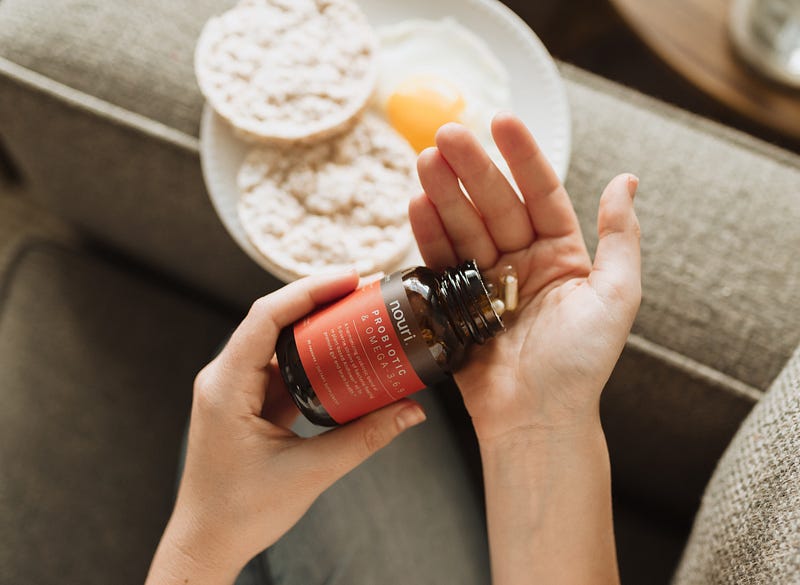
5 Supplements worth your money in 2020
Higher performance for athletes or anyone looking to up their game
Being an athlete my entire life and now a coach, supplements are something I’ve been asked about more times than I can count. Every year it seems there is something new and shiny on the market, because let’s face it, in an industry that is completely unregulated, why wouldn’t the companies be trying to put new stuff out all the time, even when it’s of questionable effectiveness? Call something a “proprietary blend” and you don’t even have to say what’s in it, you just tell customers how awesome it is and watch the money roll in.
There is so much shit out there in the market right now, and the reality is that over 90% of what’s on the shelves is garbage that won’t do anything for you. That 10% though, when you know what to look for, can make a significant difference to how you feel on a daily basis. Most of it has to do with deficiencies, because due to most people’s diet, they are deficient in any number of vitamins and minerals. Once they start supplementing and restoring those levels to normal, the change is unmistakable.
The supplements below are the only ones I consider worth my time and money, and therefore, worth your time and money. Again and again they’ve proven themselves over my athletic career spanning two decades, both to me and those I have coached, in addition to being backed by the research. I’d recommend you go and get a blood test that checks for vitamin and mineral deficiencies, because it will tell you exactly what you’re lacking and where to focus your effort. Don’t just run to the vitamin store and stock up, because you could be throwing good money down the toilet.
Vitamin D
Vitamin D deficiency has some pretty serious consequences, which is why when you supplement and bring those levels back up, you notice big changes:
- Compromised immunity — you get sick more often
- Fatigue
- Bone loss
- Depression
- Impaired wound healing
- Hair loss
- Muscle pain
Ever notice how everyone seems to have much more energy once the weather starts warming up? It’s not a coincidence or because they’re excited about summer — the increased sun exposure causes people to feel more energetic because their vitamin D levels are going up after being depleted during the winter. Talk to anyone who’s ever been vitamin D deficient and they’ll tell you that they’re incredibly lethargic and just getting life done feels difficult, which is the last thing you want when you’re an athlete or in the corporate or startup game trying to level up.
The best way to get vitamin D is obviously through sunlight, because it’s how our bodies have evolved to get it. I like walking several times a week first thing in the morning with my shirt off when the weather is warm, before the sun gets too hot and burns. During the winter, I’ll take tablets to keep my levels topped off. It’s important to note with vitamin D that it’s like a battery — finding out you’re deficient and taking a few tablets won’t bring you back to normal. It will realistically take weeks, or more likely a couple of months. Start now.
Consider this: you spend your summer getting plenty of sunlight and then when winter comes, you keep it going with tablets (I take 5000IU a day, but do your own research before you decide on your dosage). 2 months into winter, everyone else is exhausted and down, wanting the warmer weather to arrive. You’re still firing on all cylinders, because your vitamin D levels barely went down at all.
Magnesium
Depending on which studies you cite, anywhere up to 50% of the population is deficient in magnesium, due in part to the demineralisation of soil and the plants we grow in it. Magnesium is responsible for over 300 biological processes and has a number of effects if you’re deficient in it, many similar to vitamin D deficiency. The biggest reason I’m talking about magnesium supplementation, however, is for two very specific reasons:
- Magnesium is a powerful sleep aid. Most people, when they begin to take magnesium before bed, report deeper sleep and when combined with zinc, incredibly vivid dreaming. That means high quality REM sleep, which is where the body and mind do their best recovering. If you’re having trouble sleeping and especially getting to sleep, it’s worth your while taking magnesium and zinc an hour before bedtime.
- Magnesium deficiency means your body can’t metabolise vitamin D, so you’re taking a double performance hit by being deficient. Vitamin D without magnesium can also cause plaque build-up on your arteries long term, so ensure you’re getting decent amounts of both.
I mentioned getting a blood test at the beginning of this article, and in this case there’s a specific type of magnesium test you’re looking for, known as RBC (or red blood cell). The more common test of magnesium deficiency is serum magnesium, which doesn’t actually give an accurate indication of whether you’re deficient. That’s because the main place you want magnesium is in your red blood cells and bone marrow, and if you have a high level of serum magnesium, it could be because it’s being pulled out of your marrow. There are two solutions here: either get an RBC magnesium test, or just take some supplemental magnesium and see how you go.
Magnesium becomes especially important in summer for athletes, because you sweat it out when you’re training. I’m not a doctor and won’t recommend dosage, but I do well with 400–500mg per day, and I’m an 86kg athletic guy.
It’s also important to note that you should steer clear of magnesium oxide tablets. It’s the cheapest, crappiest form of magnesium that doesn’t absorb well in the body. Chelated magnesium is the base standard you should be going for because it’s easily absorbed by the body.
Creatine
Creatine is one of the most studied and scientifically backed supplements out there. It’s safe, it’s effective and is worth your consideration. Until recently it’s been the exclusive domain of gym meatheads because it’s very good for recovery, strength and power. It turns out though that it’s also an effective nootropic. Studies show that, in addition to improving strength, power and recovery (amongst other effects) in athletes, creatine improves short term memory, intelligence and reasoning in healthy subjects. Bear in mind that this is also incredibly recent data — we haven’t even scratched the surface of what creatine can do in the cognitive realm.
It will interest any vegans, vegetarians and those who don’t eat much meat that creatine will be even more effective for them. Without supplementation, the way we obtain creatine is through red meat, so if you don’t eat it, you’re going to have depleted levels compared to those that do. Supplementing with creatine should bring a significant difference to how you feel day to day.
The great news about creatine is that it’s extraordinarily safe. It’s not like trying to microdose modafinil or other powerful and potentially dangerous drugs. Take 5g per day and you’re set. Don’t bother with any of the number of variations of creatine out there made by supplement companies trying to charge more money, stick with garden variety creatine monohydrate, which is thankfully extremely affordable and easy to get.
Omega 3 — but what type?
Omega 3 fatty acids are the one place where I recommend people don’t supplement. Fish oil and krill oil are huge industries now and have been very effective in getting people to believe that they must be taking tablets to prevent heart disease, stroke and lower inflammation. Apart from the fact that research doesn’t show this to be the case, it’s yet another example of us trying to take a short cut for something that doesn’t need a shortcut.
Doctors, nutritionists and dieticians will tell you to eat fatty fish a couple of times per week instead of taking fish oil capsules. Seems like a small number, but for many people that kind of fish is either too expensive, they don’t know how to cook it or it’s inconvenient to get, because you need to buy it fresh that day to get the best. Hell, I’m one of those hyper-efficient types and even I find it a pain in the ass. Then there are the recommendations by the likes of Tim Ferriss to eat sardines, kippers, mackerel and so on. Lower down the food chain without any of the heavy metal issues. There’s just one problem — they’re freaking gross. I mean, I can deal with mackerel very occasionally, but sardines? Yeah, no thanks.
Enter the humble bivalve, which you’d know better by the names mussels, oysters, clams, pippies and so on. These little babies are packed with protein and omega 3s and require absolutely no preparation if you don’t want. Simply go to the canned fish aisle of your grocery store and grab a pack of them smoked or preserved in oil. They taste great and are so convenient that now there is simply no excuse — put them on toast with avocado (my favourite), throw them in with some spaghetti or even eat them straight out of the tin. The best news is that they’re dirt cheap as well, a fraction of the price of a fillet of salmon.
Salt
If you listen to what mainstream media and health authorities tell you, you probably believe that salt is a demonic entity that, with the smallest ingestion, will cause your blood pressure to rise so quickly your arteries explode from it. We’ve all been done a disservice by the hypothesis (yes, that’s right, that’s all the recommendations about salt are based on[1]) that salt increases blood pressure and risk of heart attack in humans. Recent data[2] actually shows that current recommendations to get your salt intake below 1000mg per day actually cause more problems than going to the extreme of ingesting over 7000mg.
So why is salt important? I’m not going to weigh you down with biochemistry, but suffice to say that it’s an important part of the electrolyte balance in your body and when you sweat, you lose it. As you drink more water in summer and continue to sweat, you continue to lose salt without replacing it, leaving you feeling sluggish and lethargic. The same issue arises when an athlete (or any person) cleans up their diet and stops eating processed, packaged food. All of a sudden, their sodium intake plummets, which becomes detrimental to their performance, especially in summer when you sweat more.
What you’ll notice when you aren’t eating enough salt is that mental fogginess, as though you should be firing on all cylinders but you feel suddenly exhausted. That’s especially the case for an athlete who’s been hydrating in summer but not eating any salt on their food — the training session is half an hour in and sweat (and as a result, salt) is pouring out of them. Soon enough, they hit a wall and everything feels really difficult. That’s what salt depletion looks like. If you’re just hitting an air conditioned gym in summer and getting a bit of a sweat on, salt depletion likely won’t be an issue for you. Once you’re outside in the elements though, it becomes very apparent.
For that reason, salting your food to taste is an important start. Don’t worry about salt tablets or drinks or anything like that unless you’re an athlete training in summer (in which case, do some more research before you go drowning yourself in salt). Go with sea salt or pink salt — stay away from table salt, which is industrially processed. The extra salt will help your muscles retain water; you can expect significant water retention as your salt starved body holds onto it for dear life, but it will abate once your body realises it’s getting a continual intake (that’s assuming your diet is lacking in salt right now).
There are a couple of important caveats here. First of all, effectively using salt means to flavour your food — let your taste buds be your guide. More is not better! If your food tastes too salty, you’ve gone too far! Secondly, if you eat a lot of food that comes in a box, is otherwise processed or you eat a lot of fast food, then you probably already get plenty of salt. For people that eat a very fresh diet and especially if you’ve cleaned up your diet, you likely need to add some.
[1] https://www.amjmed.com/article/S0002-9343(17)30326-1/pdf
[2]https://www.livescience.com/16959-salt-diet-heart-health.html?utm_source=feedburner&utm_medium=feed&utm_campaign=Feed:+Livesciencecom+(LiveScience.com+Science+Headline+Feed)
So there you go. 5 very unsexy supplements that were probably the last thing you expected to see. You likely expected protein powders, testosterone supplements or some weird new herb out of South America. Nope. None of them will be as effective as this list. Trust me, I’ve tried pretty much everything and after 20 years in the game, and these are the only ones worth your time.


