
5 Steps To Start A Zero Waste Journey
Here are five ways you can start with a zero-waste lifestyle and reduce your CO2 emissions
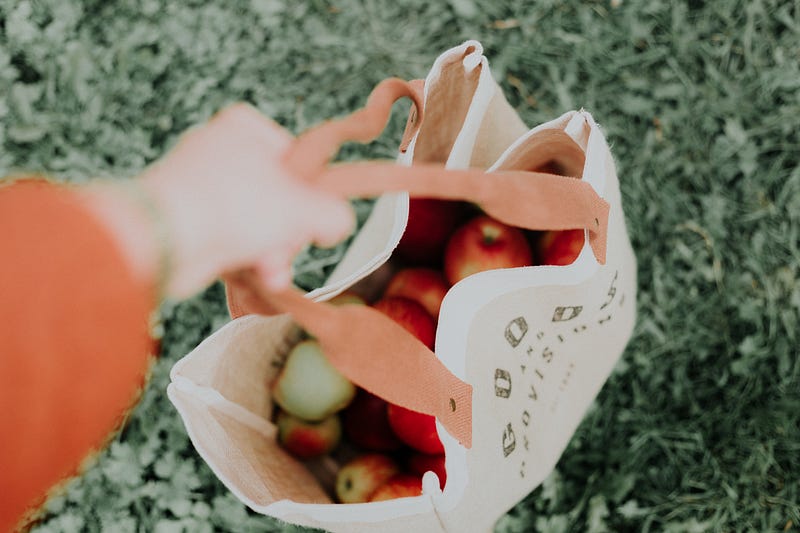
Zero waste is a lifestyle that aims to reduce the waste from our daily life. There are many ways to reduce consumption to help and protect the environment. We all can begin a zero waste journey by making small changes in our lifestyle like recycling, reusing, reducing, and composting.
Starting a zero-waste lifestyle, in the beginning, can be challenging because you are more alert about what you consume and how you consume it. Creating a zero-waste lifestyle is one of the most sustainable ways of living. Zero waste life doesn't mean you have to live without luxury; it’s a conscious approach to your lifestyle. You can also save a lot of money on unnecessary shopping and reduce your carbon footprint.
Let’s start with the Zero-waste checklist—
1. Prepare a list

Writing a shopping list is a great way to reduce overbuying and unnecessary stuff. Check your pantry fridge for leftovers; this will help to facilitate duplicate purchases. Plan your meal for the next week and add those ingredients with the amounts required so you won’t overbuy. Make sure that you stick to your shopping list when you are at the store. This can keep you away from overbuying items that you don’t need. Stop buying unnecessary stuff is one of the biggest things you can do to reduce your waste.
2. Use your grocery bag
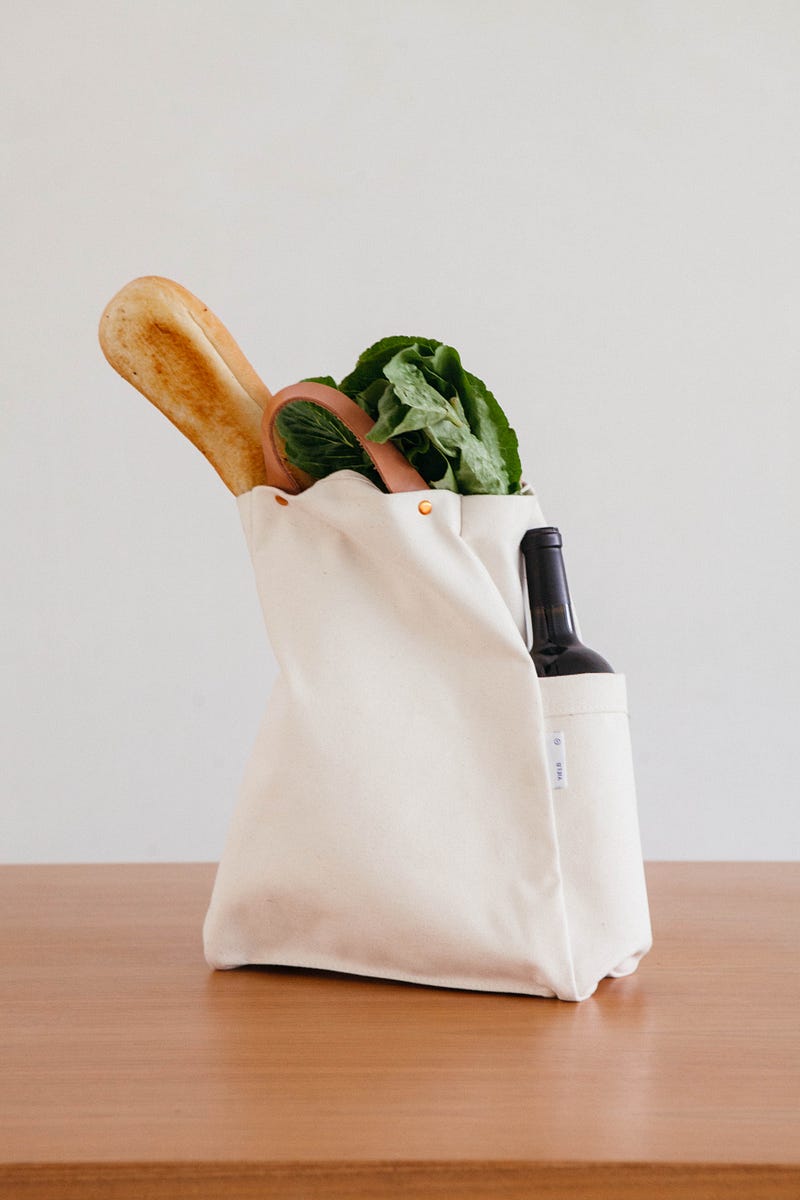
The impact of plastic on the environment is devastating. Plastic bags have a much larger footprint and are harmful to the environment. Reusable bags can have a substantial significance on our environment. Whenever I go grocery shopping, I always carry my bags. Reusable bags can be used for groceries, have snacks, or library books. Bringing your reusable bag also saves money each time you go to the grocery store.
3. Buy in Bulk
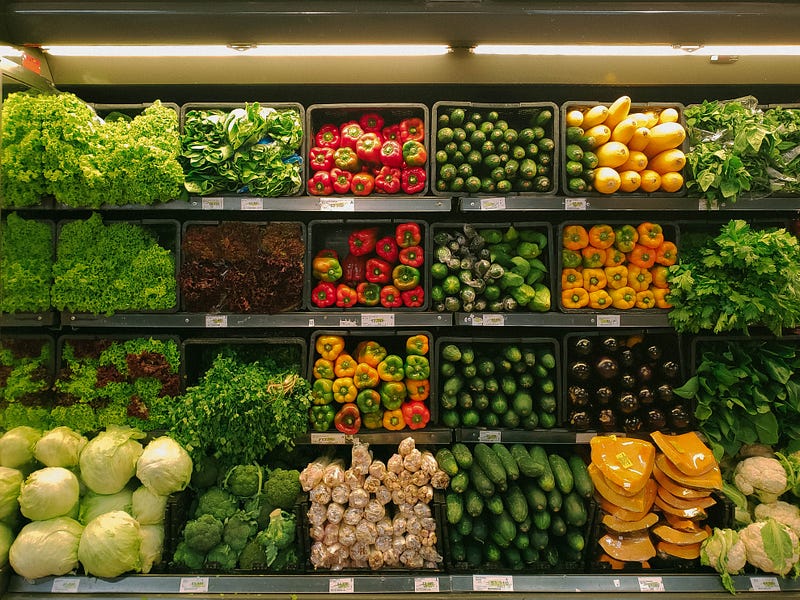
Individually packed products are expensive and unnecessary. Plastic packaging also contains harmful chemicals which are dangerous for humans, animals, and our environment. Buying in Bulk is eco-friendly and economical as well. It also helps in reducing plastic and packing waste. You can take your container or buy loose without extra packaging. Buying in bulk also allows you to choose the exact quantity you want and minimise wastage.
4. Say NO to Single packaged food
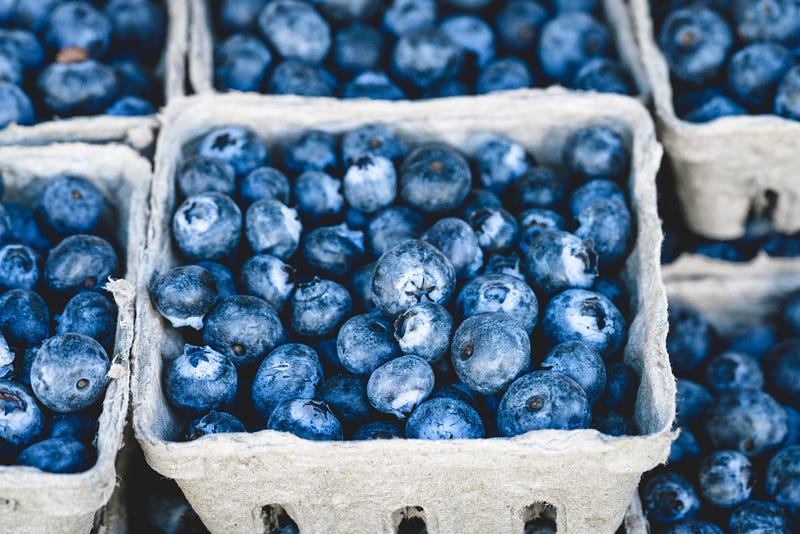
Food packaging is a global concern because of the large amount of waste it creates, which is terrible for our health and environment. Single-use plastic items are water bottles, plastic spoons, forks, lids, or plastic containers, that are dangerous for our planet. Buy loose fruits and vegetables instead of buying packaged ones. You can also consider buying products in a larger-sized package to reduce waste. Use glass jars for honey, syrup, oils, and vinegar.
5. Start Composting
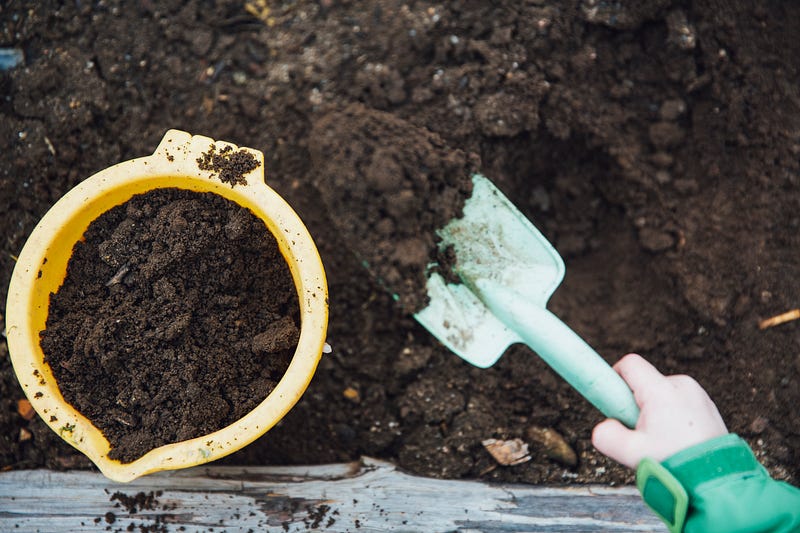
Composting is great for the environment and a natural way to mulch your soil. If you sort out your waste and food scraps, you can decrease by 1/3 the waste your home produces — many food wastes like fruit, vegetable peels, and eggshells are compostable. Composting can turn food scraps into organic natural fertiliser with rich nutrients, particularly for your plants and garden. If you have a backyard garden, consider investing in a tumbler. Just add your food scraps, and organic nutrient compost will be ready.
Are you also planning to start a zero-waste journey? I hope this guide is helpful to attain zero waste at home; you can inspire your friends and family to show them how easy it is to begin a zero-waste lifestyle.
Thanks for Reading!!
Reference: https://en.wikipedia.org/wiki/Zero_waste
Connect with Niharika on Facebook, Instagram, Linkedin, and Twitter.


