avatarShawn Kong

Free AI web copilot to create summaries, insights and extended knowledge, download it at here

2770

Abstract

For 30 Days And Here Is What I Learned</h2> <div><h3>Stop unwanted habits</h3></div> <div><p>medium.com</p></div> </div> <div> <div style="background-image: url(https://miro.readmedium.com/v2/resize:fit:320/0*sbPLKNb91dj5RrLC)"></div> </div> </div> </a> </div><p id="38ca">Some topics from this article are …</p><ol><li>Bubble Tea (Boba)</li><li>Habits</li><li>Health</li><li>Lifestyle</li><li>Life lessons</li></ol><p id="aa7d">Can you name more than these five? Gleaning topics from your content allow for more opportunities to promote it.</p><p id="08c3">Once you’ve generated a list of topics, use these three levels to prioritize. (Level 1 being the most relevant and level 3 being the least.)</p><p id="8fcd"><b>Level 1: Direct relevance</b> (Bubble Tea, Habits). These topics are obvious and usually found in the content’s title.</p><p id="19e4"><b>Level 2: Indirect relevance</b> (Health, Life lessons). These topics are less obvious and typically contain the content’s consequence/message.</p><p id="a4d7"><b>Level 3: Possible relevance </b>(Lifestyle). These topics are really big picture; mostly macro factors.</p><p id="40aa">Most of your time and effort should be spent on level 1 before moving to level 2 and 3.</p><h1 id="6361">2. Find Relevant Social Media Groups and Communities</h1><p id="e564">Choose the social media platforms that are most suitable to promote your content. This is based on your content and topic areas.</p><p id="ae42">For example, posts with a lot of visual content (e.g., fashion, travel) are better suitable for audiences on Instagram and Youtube than on Medium and Twitter.</p><p id="2c23">In a past job at a Japanese publishing company, I reached out to several Facebook groups that were fans of a book title. I shared with the group about the recently launched volume of the same book title, how people can get their hands on a copy, and a short summary of the book over Facebook message. I ended with a request for them to share this with their group members. Most of them were more than happy to share it with their groups.</p><p id="4500">If I had a new volume of a popular title coming up, I would even share the information in advance to mainstream news and digital news media pages through a press release.</p><p id="203a">The more groups and communities you find that are relevant to your content, the more likely you’ll drive traffic to your work.</p><figure id="2327"><img src="https://cdn-images-1.readmedium.com/v2/resize:fit:800/0*AhUFTi3XMRfPEaz_"><figcaption>Photo by <a href="https://unsplash.com/@charissek?utm_source=medium&amp;utm_medium=referral">Charisse Kenion</a> on <a href="https:/

Options

/unsplash.com?utm_source=medium&utm_medium=referral">Unsplash</a></figcaption></figure><h1 id="6ef5">3. Tailor Your Copy</h1><p id="4a52">Different groups and communities have different audiences. Hence it’s important to tailor your copy to attract their attention.</p><p id="f6e2">Using the same copy for each group is lazy and ineffective. People can easily tell whether enough thought was put into a post, and they can definitely tell when a post looks like slipshod work. If we don’t bother, why should the readers?</p><figure id="6b77"><img src="https://cdn-images-1.readmedium.com/v2/resize:fit:800/1*9NwPoKSOaWc_CvPQiEro4A.jpeg"><figcaption>Sample of uncustomized content shared in a hospitality Facebook group</figcaption></figure><p id="8e93">Always prove how your content can add value to the audience.</p><h1 id="fee5">4. Check the Rules Before Posting</h1><p id="670c">Some groups and communities are private, closed, or don’t allow posts that link out to other websites. Always read and follow the rules before sharing content in a group. The last thing you want to be is a public nuisance.</p><p id="7b1f">Worst case scenario, the admins or moderators could ban a serial offender — this reflects poorly on the organization you post on behalf of.</p><figure id="9dea"><img src="https://cdn-images-1.readmedium.com/v2/resize:fit:800/1*ARID3KfkHZt0bkr3nYsi1Q.jpeg"><figcaption>Sample of a Facebook group’s rules</figcaption></figure><p id="9fa6">Look for contact details if you’d like to share content on a Facebook or organization page.</p><figure id="4508"><img src="https://cdn-images-1.readmedium.com/v2/resize:fit:800/1*TEhEN25n3EB8iC6BQ3rwLA.jpeg"><figcaption>Sample of a digital news & media page</figcaption></figure><p id="0d00">Craft a solid pitch on how your content can benefit their audience and request politely for them to share it with their group members.</p><h1 id="93ee">5. Engage — Reply Comments</h1><p id="886a">After sharing your content on a group/community page, don’t<b> </b>immediately leave the group. Stay and interact with the members who respond to your content. You can build rapport by interacting with the members. This might lead them to visit your website as well.</p><p id="b4e9">Interacting with members in the comments improves the post’s activity and visibility (in the group and the member’s news feed).</p><figure id="f097"><img src="https://cdn-images-1.readmedium.com/v2/resize:fit:800/1*GX4V-TCQzQHv8uqf2gTwDQ.jpeg"><figcaption>Example of the post author interacting with those responding</figcaption></figure><p id="ab3f">I was able to increase website traffic using these five steps. They can be applied to almost any industry, company, and brand. I hope you’ll find them useful too!</p></article></body>

5 Steps to Promote Your Content on Social Media

Boost traffic and engagement by thinking about topics, tailoring the copy, and replying to comments

Photo by Sara Kurfeß on Unsplash

Most newly created products, brands, or companies lack awareness. Product launches and a budget to support marketing efforts help companies increase awareness. (After all, it’s unlikely the public will pester a company for its latest products and updates.) Nonetheless, many companies spend ample time and effort in creating content and fall short in the promotion.

Preparation is key. A website isn’t able to promote itself, so promotion (ideally, beforehand) is needed to drive traffic to the site. I have colleagues that spend a lot of time and effort producing insightful content, only to have it consumed by internal staff.

Honestly ask yourself: How many likes on the Instagram post are from your colleagues? How many downloads are from professionals in other offices in different countries?

It’s not enough to rely only on your followers; it’s unlikely they’re stalking your organization for the latest updates every single hour. In a cluttered online space where countless brands are shouting to grab the public’s attention, how can you make sure loyal followers stay with your organization and not leave for the competition?

There’s a constant need to drive traffic to your content because Search Engine Optimization isn’t enough on its own to achieve sustainable growth. At the very least — even without a budget — use social media to promote your content.

Here are five steps to generate free traffic:

1. Brainstorm Topics

Look at your content from a bigger-picture perspective. What are some topics that can be promoted in social media groups and communities?

Take this article about drinking bubble tea for example.

Some topics from this article are …

  1. Bubble Tea (Boba)
  2. Habits
  3. Health
  4. Lifestyle
  5. Life lessons

Can you name more than these five? Gleaning topics from your content allow for more opportunities to promote it.

Once you’ve generated a list of topics, use these three levels to prioritize. (Level 1 being the most relevant and level 3 being the least.)

Level 1: Direct relevance (Bubble Tea, Habits). These topics are obvious and usually found in the content’s title.

Level 2: Indirect relevance (Health, Life lessons). These topics are less obvious and typically contain the content’s consequence/message.

Level 3: Possible relevance (Lifestyle). These topics are really big picture; mostly macro factors.

Most of your time and effort should be spent on level 1 before moving to level 2 and 3.

2. Find Relevant Social Media Groups and Communities

Choose the social media platforms that are most suitable to promote your content. This is based on your content and topic areas.

For example, posts with a lot of visual content (e.g., fashion, travel) are better suitable for audiences on Instagram and Youtube than on Medium and Twitter.

In a past job at a Japanese publishing company, I reached out to several Facebook groups that were fans of a book title. I shared with the group about the recently launched volume of the same book title, how people can get their hands on a copy, and a short summary of the book over Facebook message. I ended with a request for them to share this with their group members. Most of them were more than happy to share it with their groups.

If I had a new volume of a popular title coming up, I would even share the information in advance to mainstream news and digital news media pages through a press release.

The more groups and communities you find that are relevant to your content, the more likely you’ll drive traffic to your work.

Photo by Charisse Kenion on Unsplash

3. Tailor Your Copy

Different groups and communities have different audiences. Hence it’s important to tailor your copy to attract their attention.

Using the same copy for each group is lazy and ineffective. People can easily tell whether enough thought was put into a post, and they can definitely tell when a post looks like slipshod work. If we don’t bother, why should the readers?
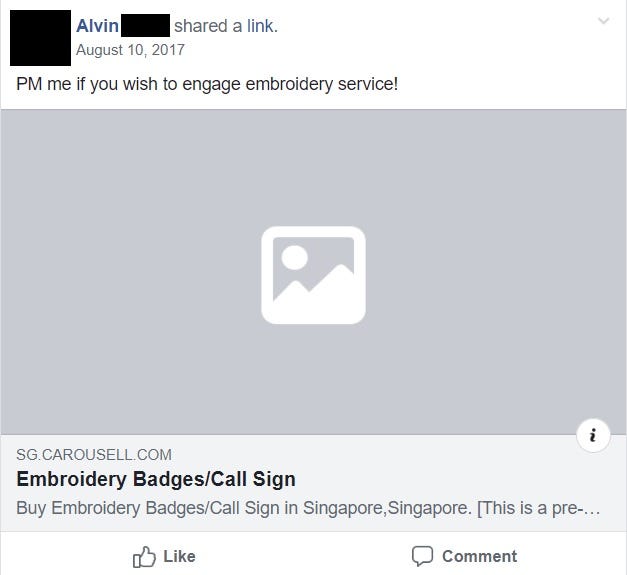
Sample of uncustomized content shared in a hospitality Facebook group

Always prove how your content can add value to the audience.

4. Check the Rules Before Posting

Some groups and communities are private, closed, or don’t allow posts that link out to other websites. Always read and follow the rules before sharing content in a group. The last thing you want to be is a public nuisance.

Worst case scenario, the admins or moderators could ban a serial offender — this reflects poorly on the organization you post on behalf of.
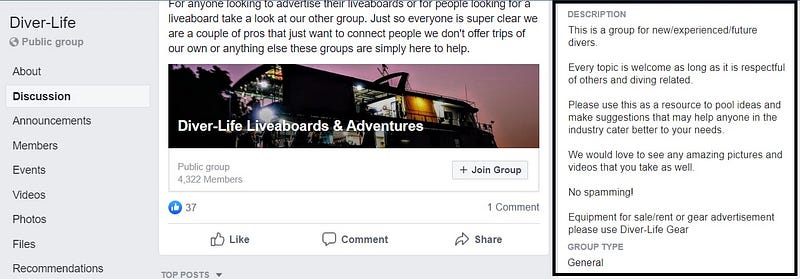
Sample of a Facebook group’s rules

Look for contact details if you’d like to share content on a Facebook or organization page.
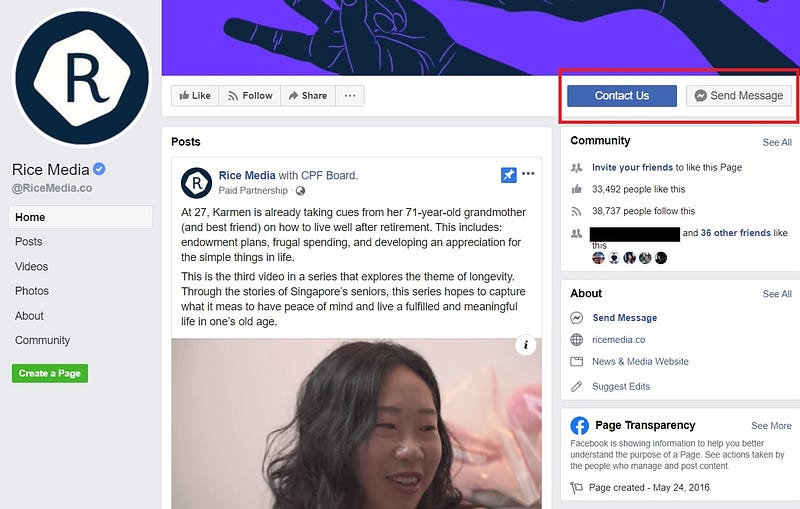
Sample of a digital news & media page

Craft a solid pitch on how your content can benefit their audience and request politely for them to share it with their group members.

5. Engage — Reply Comments

After sharing your content on a group/community page, don’t immediately leave the group. Stay and interact with the members who respond to your content. You can build rapport by interacting with the members. This might lead them to visit your website as well.

Interacting with members in the comments improves the post’s activity and visibility (in the group and the member’s news feed).
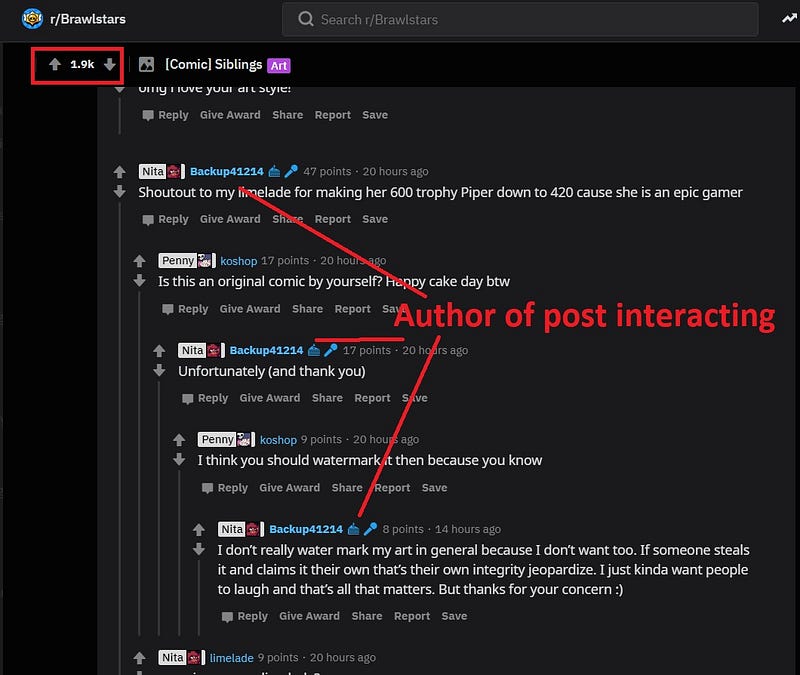
Example of the post author interacting with those responding

I was able to increase website traffic using these five steps. They can be applied to almost any industry, company, and brand. I hope you’ll find them useful too!

Social Media Marketing
Social Media
Marketing
Digital Marketing
Business
Recommended from ReadMedium