
5 Simple Writing Lessons From a 2-Time New York Times Bestselling Author
Chris Guillebeau knows a thing or two about success.
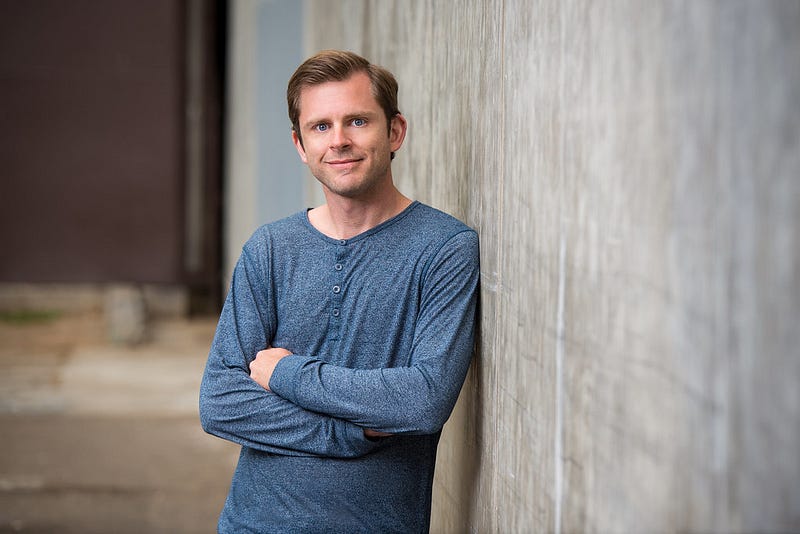
Chris Guillebeau has done it all.
He’s the New York Times bestselling author of The $100 Startup and The Happiness of Pursuit and founder of The Art of Non-Conformity. His podcast, Side Hustle School, airs every day and helps people create extra sources of income without having to quit their job.
He’s visited every country in the world (at the time), created a community of tens and thousands of people around the world, and spoke at SXSW, Google, Facebook, and more.
I had the opportunity to chat with him about life and success, and I want to share with you his best lessons on being a successful writer:
1. Build A Community
Being an entrepreneur or writer often has the image of an individual working tirelessly on their business. But Chris doesn’t feel that’s the best long-term approach.
“Along the way, what tends to happen is, because your dream gets bigger and you have more of a vision,” says Chris. “In my case, the dream became much more about community as I went along.”
“I started as an independent traveler just doing my own thing, but then I started realizing there are all these other great people out there in the world who are also interested in non-conformity or unconventional living or they don’t want do the same thing that the previous generation did or maybe even that their own peers are doing. They want to forge their own path.”
“For me, the greatest change was learning to connect to those people and eventually starting this whole blog and the books and all the projects that are essentially oriented around supporting people’s lives. Supporting people who are also trying to travel or even if they don’t care about travel, who are interested in personal growth.”
2. Your Audience Will Tell You What They Want — So Listen
Chris explains that, in the beginning, it’s important to have your own agenda and focus. “I think is important for any blog, podcast, or online community you’re trying to build, you come to with your perspective and that’s great. You should bring your own perspective.”
“But the second part is, this community will probably contribute a lot too and they’ll probably make it better along the way. In the early days, I learned to really figure out what people wanted and what I was able to provide.”
“There’s this microscopic convergence point between those things and I think that’s where entrepreneurial success comes from.”
And that point is the overlap of what you’re good at and what people are also looking for.
“In my case, maybe about six months in, I kind of noticed people were asking all these detailed questions about travel hacking and about entrepreneurship. People really wanted the specifics, they wanted the details, and so I started getting into that a lot more. I started creating some products in response to those needs.”
The same goes with products:
“If I look back on the past five years and all the projects that I put out, the ones that were most successful really were developed in response to a need or a problem. It wasn’t just something that I thought was a good idea. It was something that actually met a problem or provided something positive for some of the community.
3. Consistency
“I never stopped writing the blog; I haven’t missed a single post day since I scheduled the blog six years ago.”
When he told me that, my jaw dropped. Six years of hitting all your goals? Heck, most people are lucky to hit six days! But at the same time, that’s a big part of success: How many blogs have started strong only to go years without writing another article?
To build consistency, remember that success begets success. Once you get a bit of momentum, it becomes self-fulfilling because of the streak you built.
“The streak is actually self-reinforcing and anybody interested in personal growth should pay attention to that because the streak is not for the audience, the streak is for the person doing it. The athletes, the musicians, artists — if you have that streak, you don’t want to break the streak. And so you keep going. I feel like building up these habits over time is very powerful.”
4. Persistence Pays Off
I also asked Chris about his journey to writing two New York Times bestselling books.
“I tried to decode what other authors have done,” Chris explains. “How have other authors figured it out? I had to ask a lot of questions. In the beginning, it was hard to have people write me back. But that’s also just about persistence and building a platform and trying to do something that’s worthwhile.”
One of the best skills is to develop a thick skin. “I went through a process of rejection just like every other author has probably had to face. Probably 12 publishers turned down my first book.”
And that’s not uncommon. There are countless stories of people bouncing back from rejection. Tim Ferriss’s The Four Hour Workweek was rejected 26 times. Paulo Coehlo wrote in The Alchemist, “The secret of life, though, is to fall seven times and to get up eight times.”
“From there, I try to write the best possible book that I can. I try to write something that, again, meets that convergence point.”
5. Don’t Fear Marketing; Embrace It
A lot of people don’t like selling or marketing because they think it’s sleazy, slimy, etc. But that’s a myth you should eliminate to reach new heights.
“As for it being successful, it starts with a product, and then it goes into the marketing,” Chris says. “I’m not ashamed to be a marketer. I’m not ashamed to say I want my books to be read or that I want to work I do to be successful or that I want to reach more people.”
“I don’t have any hangups at all about saying, ‘How can we get the most amount of possible people to come to the events or read the book or participate in some other way?’”
As Robert Kiyosaki explained in Rich Dad, Poor Dad, the title is “best selling” author, not the “best writing.”
Focus on doing good work, but don’t be scared of self-promotion.
Ready to upgrade your success? I’ve created 5 free life hacks that will boost your results. If you use them, your life could change very quickly.


