
5 Signs You’re An Introvert
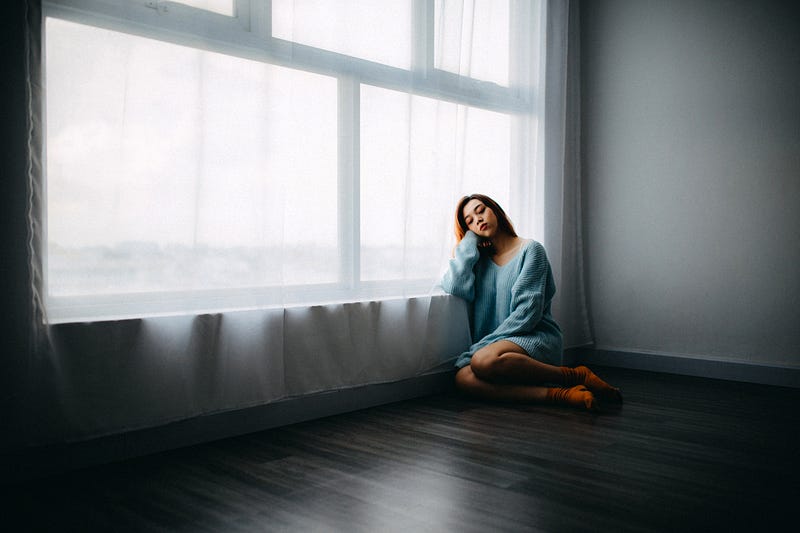
Were you the quiet one in school? Did people ask you “why are you not talking or being so shy?” If you get confused when being around people or do not socialize much, or you have insecurity of being alone and not having a bigger friend circle, you are far from alone. You might be an introvert.

What is actually an introvert?
An introvert is often thought of as a quiet, reserved and thoughtful individual. They do not seek out special attention or social engagements. Introverts and extroverts are often viewed in terms of two extreme opposites, but the truth is most people lie in the middle.
We get the false impression that there are more extroverts in the world — and fewer introverts — than there actually are. While introverts make 25–40% of the population.
Misconceptions
There are many misconceptions regarding the introverts, the most common one is that they are shy. Introversion is not as same as social anxiety or shyness. Introverts may feel confident and at ease around small groups of people they are open with.
Causes
The most important part in deciding our behavior and interaction with others, is played by our brain. It is important to understand the role that your body’s physiology plays. The way your body responds to the outside environment plays a critical role in determining your level of extroversion or introversion.
On a physiological level, a network of neurons located in the brain stem known as the reticular activating system (RAS) is responsible for regulating arousal levels.
Each person has a basic set point in terms of arousal level. Some people tend to naturally have a much higher set point, while others have a much lower set point.
The psychologist Hans Eysenck suggested that these arousal levels could be thought of as a continuum. According to his arousal theory of extroversion
- 15 percent of people have a minimal set point, meaning they naturally have low arousal levels
- 15 percent of people have a high set point, meaning they naturally tend to be more aroused
- 70 percent of people lie somewhere in the middle of the continuum
According to Eysenck’s theory, introverts are those that have naturally high levels of arousal, they tend to seek activities and environments where they can escape from overstimulation. Because of their naturally high arousal levels, they are more alert and take in more information from the environment.
Common Signs
Do you assume that you know who is an introvert and who is not? Introverts can actually come in many types with a variety of characteristics. The following are just a few signs that you (or someone you know) might be an introvert.
1: Enjoy your solitude: As an introvert you feel good when you are alone as you feel free. A few hours alone with a good book, Netflix, relaxing or maybe your thing is playing video games, cooking, etc are some great ways to help you enjoy your solitude. You are free to tune into your own monologue and have deep insights. Sometimes thoughts from your past can haunt you and you find yourself regretting “ I can’t believe I did that 3 years ago” or “ how could I be so stupid”.
2: Small group of friends: One common misconception about introverts is that they do not like people, however, if not being around large gatherings, they do like being around a small group of close friends.
Introverts prefer to stick to deep, long lasting relationships marked by a great deal of closeness and intimacy
3: No desire to be center of attention: Do you ever feel exhausted after spending a day interacting with a lot of people? Introverts usually have to spend their energy for their social interactions. They may experience something dubbed as “introvert hangover”. To preserve energy, they tend to be at corners rather than being in the spotlight.
4: Don’t go to parties to meet new people: Sure, you part every once in a while, but when you do, you usually don’t go with the intention of making new friends. you are content with the few close friends you already have.

5: Notice details that others miss: As introverts tend to be in their own thoughts and usually remain quiet or have small talks, they spend their time observing others. While doing so, they notice details others might miss. Introverts tend to be curious and examine their surroundings.
If you identify with some characteristics of introversion and some characteristics of extroversion, then there is a pretty good chance that you are one of the 70 percent of people who fall somewhere in the middle. Ambiverts tend to enjoy both spending time with others and spending time alone, depending on the situation and their needs at the moment.


